
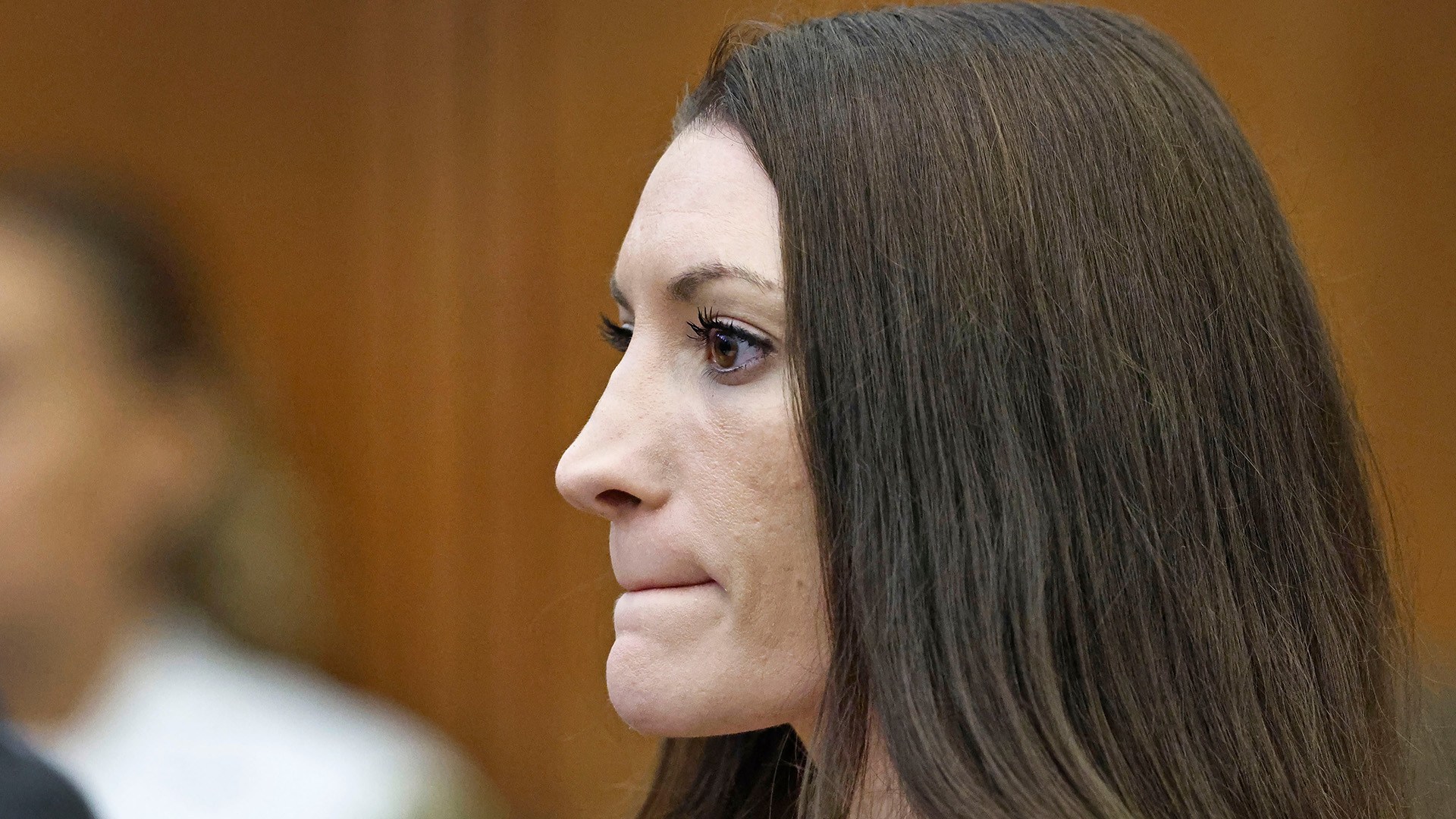
THEY were plucked from a pool of ordinary residents and asked to put their lives on hold to sit through one of the most harrowing murder trials in America. For six weeks, the jurors tasked with deciding Lindsay Clancy’s fate repeatedly returned to Plymouth Superior Court in Massachusetts to hear gut-wrenching evidence about the deaths of her three young children. Lindsay Clancy listens to the testimony during her murder trial in Plymouth Superior Court Credit: AP Defense attorney Kevin Reddington is surrounded by press as he arrives at the courthouse as the jury deliberation phase continued Credit: AFP In total, 18 jurors sat through the same 21 days of disturbing testimony and evidence, not knowing who among them would ultimately be tasked with deciding the case. It was only before deliberations began that six, three men and three women, were randomly designated as alternates, leaving a final jury of nine women and three men. Sign up for The Sun newsletter Thank you! The alternates remained on standby and under the same restrictions in case one of the final 12 became unable to continue. But after seven days of painstaking deliberations, the marathon trial ended in a mistrial on Friday when the jury failed to reach a unanimous verdict, with defense attorney Kevin Reddington blaming a lone male holdout. Reddington claimed the jury was split 11 to 1 in favor of finding her not guilty by reason of lack of criminal responsibility, accusing the sole holdout of refusing to properly apply the law on reasonable doubt. Clancy, 36, had pleaded not guilty to murdering Cora, 5, Dawson, 3, and eight-month-old Callan, who were strangled with exercise bands inside the family’s Duxbury home in January 2023. Reddington did not dispute that she killed the children, but argued she was not criminally responsible because she was suffering from postpartum psychosis. Prosecutors fiercely disputed that account, arguing Clancy knew right from wrong and that the killings were premeditated. Most read in The Sun The jurors listened to more than 80 witnesses, were confronted with hundreds of exhibits and endured deeply disturbing evidence, including autopsy photographs and the desperate 911 call made by Clancy’s then-husband Patrick. The distressing recording captured the moments after Patrick returned to the family home on January 24, 2023, and discovered his wife badly injured outside after she had jumped from a second-floor window. Jurors then heard his frantic search for the children after Clancy told him they were in the basement. Patrick could be heard screaming as he discovered Cora, Dawson and Callan, before desperately attempting CPR as the dispatcher tried to guide him through efforts to save them. Protester Kimberly Souza, 58, was in court when the recording, which was blocked from public release, was played. She confirmed that some jurors were moved to tears as Patrick’s guttural screams echoed across the courtroom. People wait in line at the front of the courthouse, while jurors entered and exited the court away from cameras Credit: AFP Judge William Sullivan looks over the courtroom in the triple murder trial of Lindsay Clancy, the Duxbury mother who killed her three children Credit: Reuters “It was absolutely heartbreaking,” Souza told The U.S. Sun. “You could hear Patrick screaming, and you could see how much it affected some of the jurors. Some of them were crying.” The jurors were not sequestered and were allowed to return home each night, but were under strict orders not to read or watch news coverage, research the case online or discuss it with anyone throughout the trial. Not a single juror dropped out or called in sick, something Reddington specifically praised, describing them as “very, very attentive.” On one day, they were served food at around 1pm and chose to continue deliberating while they ate, rather than taking a full break. Weeks later, the emotion was again etched across the jury’s faces as their mammoth task ended without a verdict. The U.S. Sun was in the courtroom as jurors appeared disappointed after Judge William Sullivan finally declared a mistrial, bringing their seven days of deliberations to an abrupt end. Some shook their heads as they remained seated in the jury box, while Reddington later described them as looking “defeated.” Speaking outside court afterward, he said, “They spent seven weeks of their life on this case, and they were robbed too.” He also highlighted the meager compensation jurors received while being asked to absorb weeks of traumatic evidence. “They give them $50 a day to sit there and go through this horrific stuff,” he said. “And no, they don’t give them any counseling. They don’t give them any care. They don’t give them anything. “They just say, ‘Thank you for your service and see you later.'” Reddington also slammed the lone holdout juror. “They know that they were robbed by one man, for whatever his agenda was, who stole seven weeks of the life of these other jurors that were so attentive, so beautiful, so wonderful,” he said. “You could see how defeated they were sitting there. “I got a funny feeling they would’ve gone on for another week if they had to. So I hope that guy can sleep well at night.” The identities of the jurors, including the male holdout, are still being shielded from the public. They entered and left the court through a separate entrance away from the media, with Sullivan issuing an order prohibiting anyone from filming or photographing them. The tight security was highlighted when Clancy supporter Dawn Light, 56, was arrested after allegedly entering a restricted parking area and filming jurors as they left court. She pleaded not guilty to a charge of witness intimidation and was later ordered to stay away from the courthouse and have no contact with jurors or witnesses. Judge Sullivan ordered the official list identifying the empaneled jurors to be impounded for 14 days, citing the “significant and divisive attention” the case had attracted locally, nationally and internationally. Unless Sullivan extends the order for “good cause,” it will expire two weeks after it was issued, meaning the names could then become publicly accessible through the court. But the temporary order does not gag the jurors themselves. Massachusetts’ official juror handbook states that jurors are no longer prohibited from talking about a trial once they have been dismissed, although it advises them to avoid revealing the identities of fellow jurors, how another juror voted or what was said during private deliberations. However, that language is guidance rather than a blanket criminal prohibition. If any of the Clancy jurors do decide to tell their story, they could potentially be paid for it. There is no blanket Massachusetts prohibition preventing a former juror from being paid for a media interview, documentary appearance or book about their own experience after their service has ended. Were you a juror in the Lindsay Clancy case? If you want to share your experience following the mistrial, contact The U.S. Sun at exclusive@the-sun.com. Comment now
Lindsay Clancy jury’s hellish 6-week trial as 12 put lives on hold for 28 days before a single holdout led to mistrial
Full Article
Original Source
Read the full article at Thesun →KhanList aggregates and links to publicly available news content. We do not host full articles from third-party sources. Always verify important information with original sources.