
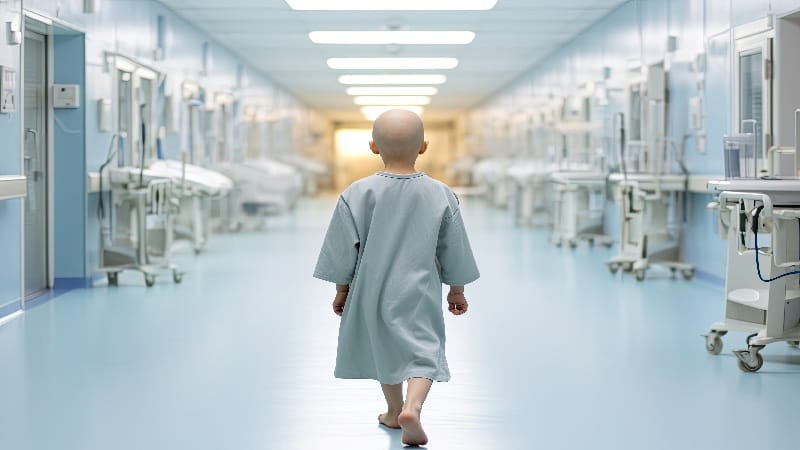
With advances in early diagnosis, surgery, chemotherapy, radiation therapy, and targeted treatments, the survival rate for childhood cancer now exceeds 80%. But experts say the real challenge begins after treatment ends: ensuring these survivors are monitored for and managed through the long-term effects that can emerge months or even years later.That message was at the center of Childhood Cancer Survivors: Life After Discharge, an event organized by the Spanish Federation of Childhood Cancer Families (FEFCI) in collaboration with Norgine to mark International Cancer Survivors Week.At the meeting, held at the Ortega-Marañón Foundation, healthcare professionals, patient advocates, and families agreed that being discharged from cancer care should not be seen as the end of treatment but rather as the start of a new phase that calls for dedicated resources and coordinated follow-up.Álvaro Lassaleta, MD, PhD, Brain Tumor Unit Coordinator/Pediatric Oncologist at Hospital Infantil Universitario Niño Jesús in Madrid, Spain, explained to El Médico Interactivo, part of the Medscape’s Professional network, that the concept of the long-term survivor has become increasingly important in pediatric oncology. “Years ago, our main concern was curing the disease; today, we must also be concerned with how these patients live once they have overcome cancer. The fact is that there are an increasing number of young adults who were treated for cancer during childhood and who, after receiving highly effective therapies at a young age, are at greater risk of developing late complications. Many of these complications do not appear immediately after treatment ends, but rather years later, when patients have already stopped seeing pediatric oncologists,” added the specialist.Among the long-term effects that cause the greatest concern, Lassaleta pointed to neurocognitive impairments, especially in children treated for brain tumors. Cranial radiation therapy and certain intensive treatments administered during critical stages of development can affect learning, memory, attention, processing speed, or executive functions, thereby impacting academic performance and social integration.AftereffectsAlthough the consequences are not limited solely to the neurologic realm, the specialist noted that these patients may also develop endocrine disorders related to growth, puberty, or thyroid function; cardiac complications secondary to certain medications; hearing loss; fertility problems; lung or bone complications; as well as a slight increase in the risk of developing secondary tumors resulting from the treatments received.For this reason, he maintains that follow-up for these patients must be individualized and continued throughout the patient’s lifetime. “Not all survivors face the same risk as their needs depend on the type of tumor, the age at diagnosis, the aggressiveness of the treatments administered, and the clinical course of each case,” he added.Much of the research in pediatric oncology aims to maintain these high cure rates while minimizing treatment toxicity as much as possible. “Medications capable of reducing some side effects associated with standard treatments — such as hearing loss or certain forms of cardiac toxicity — are gradually being incorporated, while strategies continue to be developed to protect brain development in the youngest patients without compromising treatment efficacy against the tumor,” noted Lassaleta.In Lassaleta’s view, addressing these needs requires a specific care model for long-term survivors based on multidisciplinary teams. Coordination should fall to pediatric oncology but should also involve primary care, specialized nursing, endocrinology, cardiology, rehabilitation, clinical psychology, neuropsychology, social work, gynecology, reproductive medicine, and other specialties depending on each patient’s specific needs.“Follow-up cannot be limited to monitoring for possible relapses. It must also include the prevention of associated diseases, the promotion of healthy habits, the early detection of sequelae, emotional support, and guidance during the transition from pediatric units to adult services — a particularly sensitive time for many adolescents. However, this model still presents significant disparities among autonomous communities. Not all of them have specialized clinics for long-term survivors or well-defined care transition pathways, a situation that leads to disparities in access to resources depending on where patients live,” she lamented.At the meeting, the vice-president of FEFCI, Verónica Ortiz, spoke from a dual perspective: institutional and personal. Her son Carlos, now 14, was diagnosed at age 7 with Langerhans cell histiocytosis with hematologic involvement, a rare disease whose treatment completely transformed the family’s life.“The diagnosis changes your life, but you must put yourself in the hands of doctors and nurses, trust the system, and let them help you. During the months of treatment, the family’s entire energy is focused on a single goal: overcoming the disease. However, when the time comes to be discharged from the hospital, new uncertainties arise that many families aren’t prepared for,” she told El Médico Interactivo.Life After Discharge“What do I do now, if my whole world has been hospitals?” she asked, describing the feeling of emptiness many parents experience when frequent hospital visits end and a much less visible — but equally complex — phase begins. “From that moment on, many families must learn to cope with regular checkups, physical aftereffects, learning difficulties, emotional problems, or limitations that affect both the child and those around them. This reality often remains invisible to society because the patient is already considered cured,” he explained.For this reason, the FEFCI is calling for survival to be recognized as a distinct phase of the cancer care process. Among its main demands are the creation of specific follow-up programs for long-term survivors in all autonomous communities, the establishment of multidisciplinary teams that include psychological and social support, care for all children younger than 18 years in specialized pediatric oncology units, equitable access to home-based palliative care when necessary, and enhanced training for healthcare professionals to address the needs of these patients.Specialized CareSpecialists and families agree on one point: Survival rates are no longer sufficient to measure success in the fight against childhood cancer. As Lassaleta summarized, “the true goal is to ensure that these children, adolescents, and future adults can study, work, start a family, and build a life with the least possible impact from the disease they suffered during childhood.”For this very reason, it is essential to establish specialized clinics for survivors, strengthen coordination across levels of care, and ensure that all patients — regardless of the autonomous community in which they reside — have access to specialized follow-up care throughout their lives. “Because being discharged from the hospital does not mark the end of the journey, it is the beginning of a new phase in which the healthcare system must continue to support those who have already beaten cancer but still live with many of its consequences,” they concluded.Lassaleta disclosed having no relevant financial relationships.This story was translated from El Médico Interactivo, part of the Medscape Professional Network.
Life After Childhood Cancer Needs Better Follow-Up
Full Article
Original Source
Read the full article at Medscape →KhanList aggregates and links to publicly available news content. We do not host full articles from third-party sources. Always verify important information with original sources.