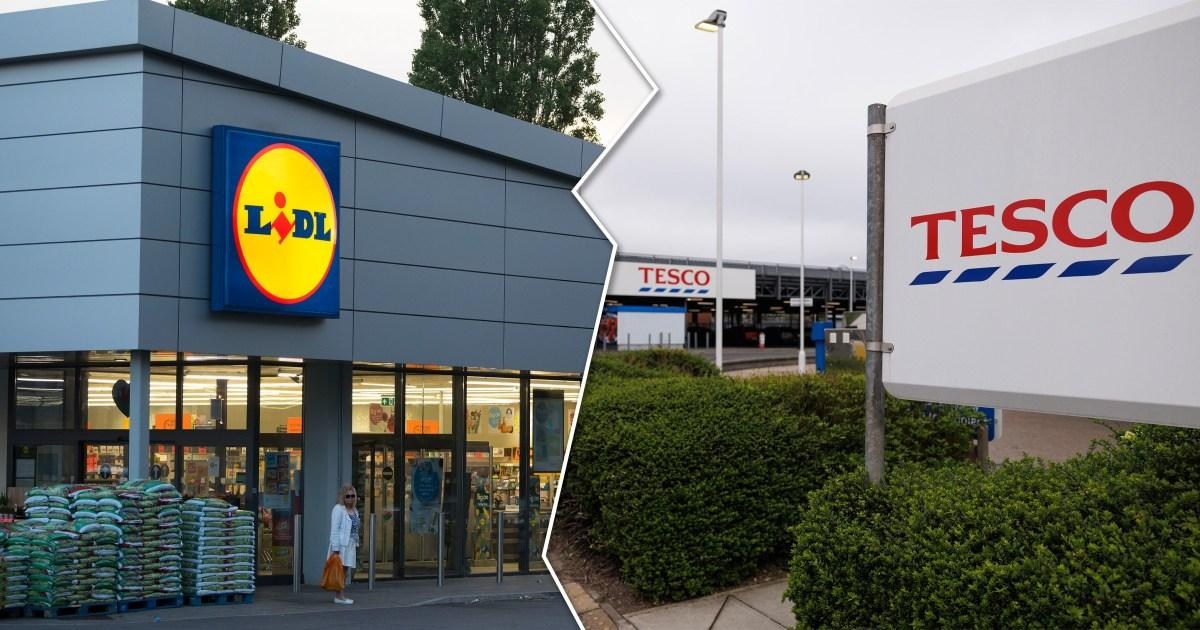
Lidl and Tesco are bickering once more (Picture: Getty/Metro) We’re used to seeing supermarkets throwing their toys out their trolleys in heated rivalries. The feuding is largely in good faith (unless you’re Aldi and M&S bickering over Colin and Cuthbert the Caterpillar cakes which had to be settled by a high court judge), and now, there’s a new battle on the block. This time, the two contenders in the ring are discount supermarket Lidl, and Tesco, who are rowing over their mochi. For those of you who aren’t familiar, mochi is a traditional Japanese rice cake comprising of flavoured ice cream encased in a stretchy dough. The mochi brand Little Moons went viral on TikTok in 2021, seeing customers queuing to get their hands on them. Lidl started the latest row after comparing its own-brand mochi to Little Moons, and Tesco didn’t miss the chance to take a swipe at the German supermarket. Ask Metro Use AI to go deeper into the stories you care about – powered by Metro and trusted publications. Posters popped up in Lidl stores showing a picture of its own-brand mango and passionfruit Gelatelli Mochi for £3.45 side-by-side with £5 Little Moons from Tesco, suggesting customers could save more than 30% on the sweet treat. Lidl sparks row with latest price comparison campaign targeting competitorsPitching price of Little Moons ice cream balls at Tesco against its own label versionhttps://t.co/A84FY59yRJ— The Grocer (@TheGrocer) July 22, 2026 But Tesco isn’t having any of it, pointing out its mochi is currently on a Clubcard offer for £3.50, costing just 5p more than the Lidl own-brand ice cream. ‘There’s no need to settle for a dupe when Clubcard members can get the original Little Moons Passionfruit and Mango Mochi for just £3.50 on Clubcard Prices,’ a Tesco spokesperson said. But why is this tit-for-tat combative marketing something we see time and time again? Lucy Hancock, associate director of food and drink PR and marketing agency Storm Communications, tells Metro this tactic is much more common when it comes to discount supermarkets, like Aldi and Lidl. ‘This is partly because it chimes well with their brand personalities… scrappy, cheeky, a bit brash and not afraid to speak their mind,’ Lucy says. ‘It plays into the personality that the public already enjoy seeing from them, confirming who they are and their position in the market. Based on this, you also tend not to see this kind on behaviour from the likes of M&S or Waitrose.’ The bargain versus bougie brand theory tracks, even into areas like fashion where Primark just trolled Skims outside its London store by advertising its shapewear dupes on the side of a van. But for supermarkets, taking a pop at a competitor is something that ‘humanises the retailer’ and makes them ‘culturally relevant’, according to Lucy. ‘It’s the kind of thing that can get people talking about your brand, often considered the gold standard in marketing,’ she adds. ‘It also plays well with news media and makes for sharable social media content, so this approach ticks a lot of boxes.’ Food stores are also competing in a very saturated market for a very small margin of consumer attention, Lucy says. ‘This means their marketing needs to be all the more memorable to really land and deliver the holy grail of convincing people to reconsider where they shop.’ It’s not the first time these two supermarkets have come to blows. Just two years ago the pair entered a legal battle over Tesco’s use of a yellow circle on a blue square, after claims it looked similar to the Lidl logo, taking ‘unfair advantage’ of its reputation for ‘great value’ offerings. Tesco was left ‘disappointed’ after it lost and was forced to change it’s Clubcard Prices logo, while Lidl said it was delighted. But it’s not just Tesco that has been in Lidl’s firing line, in 2025 the German retailer took aim at Home Bargains, claiming shoppers could save 40% buying Highland Spring water at its discount supermarket compared to the latter. This isn’t a new trend, though. Lucy explains that the UK has been seeing these marketing battles since the nineties. ‘Brand rivalries have existed forever, from Coca-Cola and Pepsi to Burger King and McDonald’s, where playful competition became part of their brand identity,’ she says. ‘It isn’t a coincidence that Aldi launched in the UK in 1990 and Lidl launched in the UK in 1994. ‘Prior to this there was almost a very British gentleman’s agreement between retailers and brands, not to directly target each other, but these new upstarts changed the game.’ Enter social media accounts stage left, and these online platforms only accelerated the trend. ‘This created a channel where brands could respond to each other in real time,’ Lucy points out. And these supermarket feuds have become a source of great social engagement on the retailers’ Instagram and TikTok pages. Just recently, Aldi posted a picture of Jordan Pickford’s World Cup water bottle, which had a description of opposing team members penalty patterns. The retailer had replaced the opposition names on the bottle with other major supermarkets, writing an amusing description of each. It read: ‘M&S – Likely to sue over someone breathing different. Tesco – Thinks a Clubcard will solve everything. Sainsbury’s – Peaked in high school. ‘Lidl – Dunno, they blocked us. Morrisons – A bit boring, questionable salad bar. Co-op – Had to buy their own sign back. Waitrose – Thinks they’re royalty but they’re a shop.’ The post received more than 46,000 likes and other supermarkets commented. Asda wrote: ‘Feeling kinda left out rn’, while Morrisons hit back: ‘Aldi – Irrelevant without other brands.’ That being said, all this brand between brand bickering does have a line that is sometimes crossed. Deals of the Day Wuka launches the UK’s first period-proof swimwear for heavy flows Bridgerton fans are rushing to buy these new Netflix-inspired perfumes now £12 off The affordable summer wardrobe update you'll wear from rooftop drinks to beach holidays The £7.99 lip balm beauty fans love for glossy, hydrated lips just dropped four new shades This Keskine hydrogel mask could fix your summer skin ‘Despite the adage that “all publicity is good publicity”, there is of course a tipping point,’ Lucy admits. ‘There is a line they need to be careful not to cross in actually upsetting or putting off shoppers. The best brand rivalries should be based on humour, not hostility.’ Do you have a story you’d like to share? Get in touch by emailing MetroLifestyleTeam@metro.co.uk Arrow MORE: Supermarket own-brand baked beans crowned UK’s best — and better than Heinz Arrow MORE: M&S brings back ’10/10′ dine-in deal that feeds four for just £3 each Arrow MORE: Supermarkets urgently recall milk found to contain veterinary medicines The Slice Your free newsletter guide to the best London has on offer, from drinks deals to restaurant reviews.
Lidl and Tesco are fighting (again) — why UK supermarkets won’t stop bickering
Full Article
Original Source
Read the full article at Metro →KhanList aggregates and links to publicly available news content. We do not host full articles from third-party sources. Always verify important information with original sources.