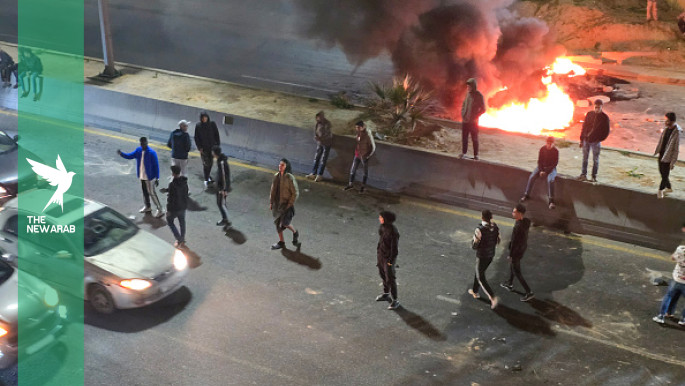
Protests spread across western Libya as worsening power cuts and soaring temperatures fuel discontent over deteriorating public services. Protesters demonstrate against Libya's Government of National Unity in Tripoli in December 2025. [Getty] Residents in several areas of western Libya have declared "civil disobedience" as protests spread over worsening electricity outages, with demonstrators demanding urgent action to address the country's deepening power crisis. The protests erupted overnight across Tripoli and neighbouring cities, prompting authorities to tighten security around the Government of National Unity's headquarters and other state institutions. Security forces were deployed at major intersections as crowds gathered in districts including Souq al-Jumaa, Tajoura and Janzour, chanting slogans calling for an end to prolonged blackouts and deteriorating living conditions. In Souq al-Jumaa, protesters shut down several government and public service buildings, including the ministries of foreign affairs and youth, as well as the headquarters of a telecommunications company. Demonstrators also called for the resignation of the Government of National Unity and urged other parts of the country to join the civil disobedience campaign. In Tajoura, protesters closed the entrances to government service institutions and issued statements urging residents, particularly those in the capital, to escalate demonstrations. In Janzour, demonstrators blocked the city's western entrance in solidarity with protests elsewhere in Tripoli. The unrest also spread to other western cities, including Zawiya and Gharyan, as well as Misrata to the east of the capital, where dozens of protesters gathered to denounce the continued deterioration of basic public services. The demonstrations come as large parts of Libya face worsening electricity shortages, with some areas in the country's east and south experiencing complete power cuts in recent days. The outages have coincided with a heatwave that has pushed temperatures as high as 47 degrees Celsius. The oil-rich country has suffered recurring electricity crises for years due to ageing infrastructure, underinvestment, political instability and divisions between competing governments, with summer blackouts frequently triggering public anger. Neither the Tripoli-based Government of National Unity nor the rival administration backed by the eastern-based House of Representatives has publicly explained the cause of the worsening electricity crisis or announced measures to resolve it. Meanwhile, the Government of National Unity's Prime Ministerial Protection Force said in a statement that protecting citizens and maintaining public safety remained its top priority. It warned that anyone attempting to target state institutions or undermine national security would face legal action. The force urged citizens to exercise restraint and avoid being drawn into calls intended to "create chaos" or damage public and private property, while stressing that freedom of expression is protected by law but does not extend to attacks on state institutions or threats to public order. Related Articles
Libyan regions declare 'civil disobedience' over power crisis
Full Article
Original Source
Read the full article at Newarab →KhanList aggregates and links to publicly available news content. We do not host full articles from third-party sources. Always verify important information with original sources.