
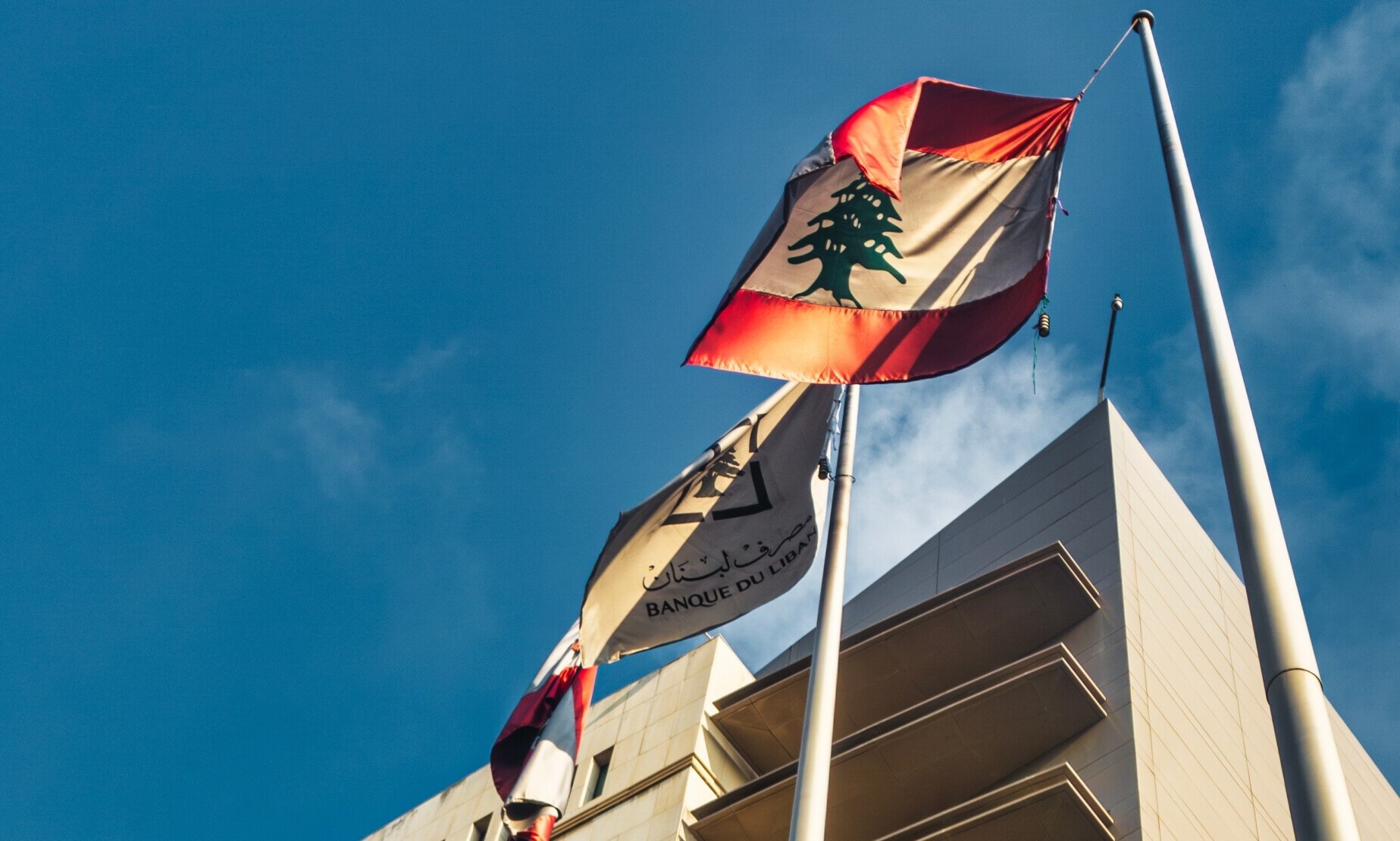
Lebanon has revoked the operating license of Bank Saderat, an Iranian lender implicated in financing Hezbollah. Karim Souaid, the governor of Banque du Liban, Lebanon’s central bank, confirmed the decision on October 15. The move followed October 8 reporting from the Lebanese daily Annahar that Treasury Secretary Scott Bessent had asked Lebanese officials to close Saderat and withdraw its license. Treasury’s public account of his September meeting with Prime Minister Nawaf Salam and Finance Minister Yassin Jaber said he more broadly urged them to disrupt Iranian and Hezbollah financial networks. The move could advance Lebanon’s commitments under the June 26 U.S.-Israel-Lebanon Trilateral Framework to prevent financing of nonstate armed groups. Its practical impact remains unproven, while Hezbollah’s wider financial infrastructure continues operating. Bank Saderat’s Role in Financing Hezbollah Saderat has operated in Lebanon since the early 1960s, maintaining five branches in Beirut, its southern suburbs, Sidon in southern Lebanon, and Baalbek in the east. Treasury designated the bank in 2007, reporting that $50 million passed from Iran’s central bank through Saderat’s London subsidiary and Beirut branch to Hezbollah fronts between 2001 and 2006. Internal records leaked in 2020 from Hezbollah’s sanctioned quasi-bank, Al-Qard al-Hassan (AQAH), identified eight Saderat correspondent-ledger entries, four denominated in U.S. dollars. In 2019, the Lebanese news site Janoubia, citing Saudi broadcaster Al Arabiya, reported that Hezbollah’s Martyrs Foundation moved accounts from Lebanon’s Jammal Trust Bank to Saderat, which then handled payments to fighters’ families. In January 2026, the Lebanese newspaper Nidaa al-Watan reported that Jood, an AQAH-linked gold-trading company, had opened accounts at Saderat. Neither reported relationship has been independently verified, and Saderat’s recent transaction volumes remain unknown. Beirut’s Insufficient Enforcement Lebanon’s financial restrictions have largely targeted regulated institutions without shutting Hezbollah’s parallel financial system. Their limited reach raises the possibility that Beirut seeks to satisfy international pressure without provoking the group. By January 2018, Washington had reportedly sought Saderat’s closure, yet Beirut kept it licensed until this month. The revocation is substantive, but Banque du Liban has not publicly disclosed its implementation arrangements, including whether liquidation has begun or Saderat’s branches have ceased banking operations. Banque du Liban’s July 2025 Circular 170 barred regulated institutions from dealing with AQAH but did not close the organization or freeze its assets. AQAH continued operating. In September, Nidaa al-Watan reported attempts to reopen AQAH branches damaged during the war. The Interior Ministry withheld AQAH’s annual administrative certificate in July but left its recognized status as an association intact. Justice Minister Adel Nassar referred AQAH and Jood to prosecutors in June. In September, Prosecutor-General Ahmad Rami Al Hajj said he lacked specific information to proceed. On October 1, Interior Minister Ahmad Hajjar said his ministry awaited judicial findings before acting. No resulting prosecution or closure has been publicly established. Hezbollah announced a new housing-assistance program in October. Reuters also reported that Iran transferred $200 million for displaced Lebanese, a claim the State Department disputed. Hezbollah has not disclosed the program’s funding. Washington Should Push Lebanon To Strengthen Sanctions Enforcement Washington should obtain Saderat’s operative revocation decision, verify that its branches have stopped banking business, and press Beirut to carry out liquidation if the bank was formally delisted. It should press the Lebanese Cabinet to suspend AQAH’s status as an association if documented violations justify doing so, as it did with the Lebanese cultural association Risalat in 2025, and seek dissolution if statutory grounds are established. Treasury should provide Lebanese prosecutors and the independent Special Investigation Commission (SIC) with evidence on AQAH’s shadow accounts and Jood’s gold transactions. Under Lebanon’s anti-money-laundering law, the SIC can freeze suspicious accounts and seek protective measures concerning other assets. It should investigate Jood’s compliance with the recordkeeping and due-diligence rules applicable to gold dealers. Prosecutors should pursue substantiated unauthorized banking and terrorism-financing offenses. Banque du Liban should sanction licensed financial firms violating Circular 170. David Daoud is a senior fellow at the Foundation for Defense of Democracies (FDD) focused on Israel, Hezbollah, and Lebanon affairs. Ahmad Sharawi is a senior research analyst at FDD focused on Syria and Iranian intervention in Arab affairs and the Levant. For more analysis from the authors, please subscribe HERE. Follow FDD on X @FDD. Follow David on X @DavidADaoud. Follow Ahmad on X @AhmadA_Sharawi. FDD is a Washington, DC-based, nonpartisan research institute focusing on national security and foreign policy.
Lebanon Revokes Bank Saderat’s License, but Hezbollah’s Financial Network Remains
Full Article
Original Source
Read the full article at Fdd →KhanList aggregates and links to publicly available news content. We do not host full articles from third-party sources. Always verify important information with original sources.