
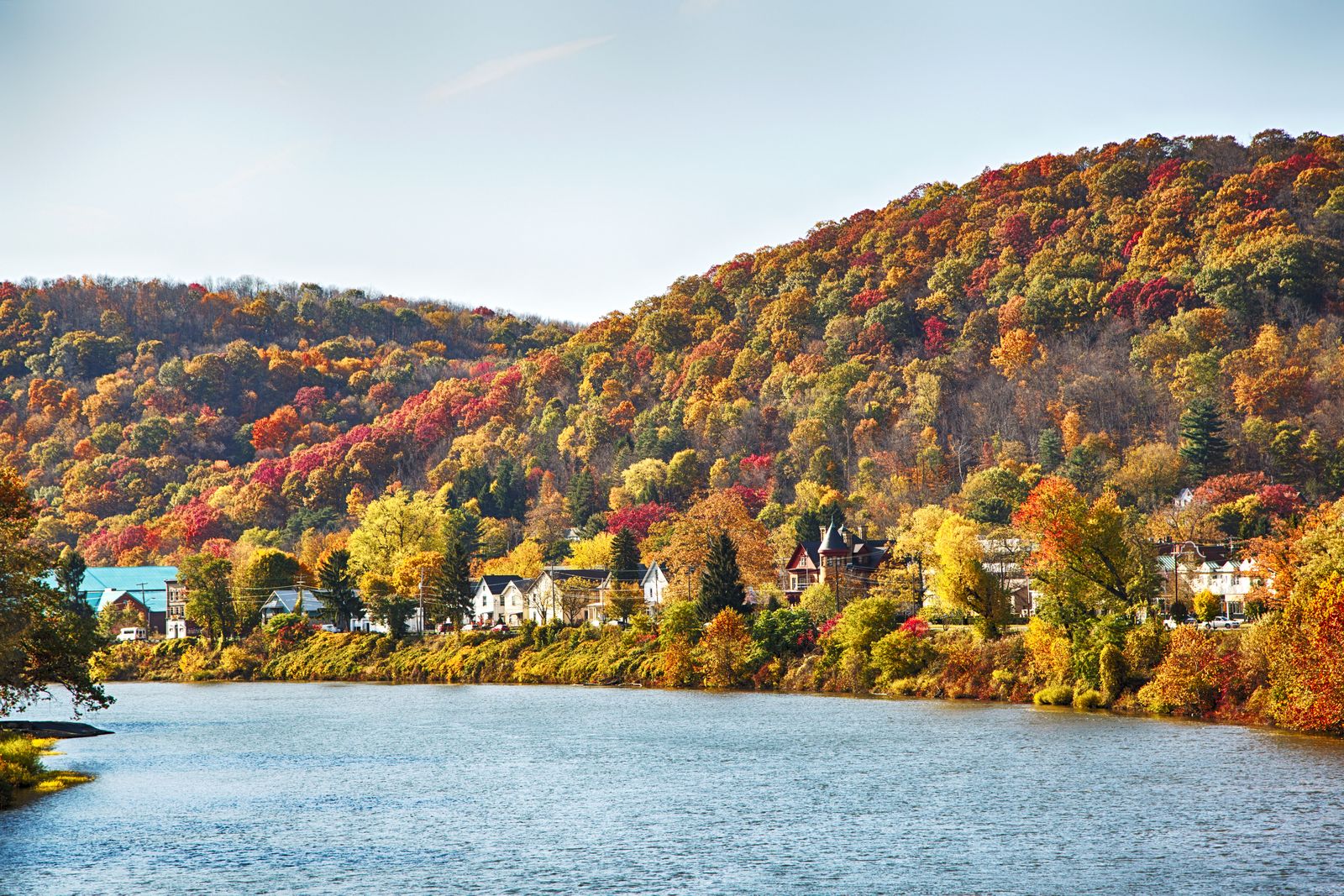
From the magnificent mountains of New England to the desert landscape of northern New Mexico, the tools can help you make the most of nature’s upcoming wardrobe change September 3, 2026 10:00 a.m. While no prediction tool is 100 percent accurate, experts have developed interactive maps to guide your leaf-peeping activities. Anjelika Gretskaia via Getty Images Leaf lovers across the country are preparing for nature’s upcoming wardrobe makeover. Every fall, deciduous trees shed their green hues to display brilliant arrays of crimson, gold and orange. However, catching the precise moment when leaves reach their peak color has long been a tricky gamble. Go too early, and you miss the show; go too late, and you meet bare branches. To help travelers time their seasonal adventures, prospective leaf peepers can check out several interactive maps that predict the nation’s fall foliage. One of them is Explore Fall, a tool launched about three years ago by Evan Fisher, a meteorologist at the consulting company Monarch Weather & Climate Intelligence. Frustrated by unreliable traditional forecasts, he built a site that integrates real-time weather trends with crowdsourced ground observations. “We have confidence that, on average, the map is accurate within plus or minus three days,” Fisher tells the Washington Post’s Natalie B. Compton. To further refine the site’s predictions, Explore Fall is releasing an app this year that allows users to upload live foliage reports directly from the field. Another interactive fall foliage map comes from the Smoky Mountains’ tourism site. It leverages historical weather data and current forecasts from the National Oceanic and Atmospheric Administration, reported Lyndsey Matthews for Afar. Need to know: Why do the leaves change color? The shorter days and cooler temperatures trigger deciduous trees to stop producing chlorophyll, the green pigment in leaves that helps plants carry out photosynthesis. Any remaining chlorophyll breaks down, revealing yellow and orange pigments that were already in the leaves. Red comes from sugars getting trapped in leaves and producing new pigments. New England and upstate New York have some of the best potential for beautiful fall colors this year, since the region experienced wet weather in late spring and early summer and then a drier spell, according to AccuWeather’s Brian Lada. There, fall foliage should peak in early October. Later in the month, Northern California’s Sierra Nevada should also provide good viewing opportunities, since the area didn’t experience major drought or wildfires this year, per the outlet. Meanwhile, leaves in Great Smoky Mountains National Park are expected to reach maximum autumn hues around mid-October. However, visiting during their prime will require some careful planning. Afton Pratt of the Knoxville News Sentinel reports that the most colorful period overlaps with the park’s busiest time of the year, characterized by traffic jams and full parking lots. To bypass the congestion, the National Park Service recommends using shuttle services. For those seeking expansive mountain vistas without dense tourist corridors, North Carolina’s Blue Ridge Mountains could present an idyllic alternative. Lauren Doyle, president of the boutique travel agency the Travel Mechanic, highlighted the region’s quiet charm, suggesting visitors set up base in small towns like Boone, Blowing Rock or Banner Elk. “I like to call it ‘the triangle of the mountains’ because it’s very easy to go between those three places,” Doyle tells the Post. The region’s leaves should peak in mid- to late October. Leaf peepers in the Midwest should start at Michigan’s Upper Peninsula, which peaks in late September and is the state’s “secret weapon for fall color,” according to Vice’s Ashley Fike. Michigan’s Lower Peninsula explodes with color in early October. Wisconsin and Minnesota peak in late September through October, going from north to south in the states. Some places, however, might not put on a dramatic show this year. The Rocky Mountains, for instance, had less snow last winter, which worsened drought conditions in recent months, according to AccuWeather. “The aspens in Colorado should not be as spectacular as previous years,” says AccuWeather meteorologist Paul Pastelok. But in the southwest, northern New Mexico’s autumn landscape can provide stunning, special views, Caroline Labbé, owner of the travel agency Labbé Travel, tells the Post. The region’s high-altitude aspen groves should starkly contrast with the desert terrain in mid-October. “There’s the terra-cotta and the yellows and, in [the town of] Taos, you also have the evergreens,” she says. “It’s a little more unique than what you might see back east.” You Might Also Like Get the latest stories in your inbox every weekday. More about: California Nature Nature Photography New England New Mexico North Carolina Outdoor Travel Plants Tennessee Trees Wisconsin
Leaf-Peeping Season Is Almost Here. These Interactive Maps Can Help You Figure Out When Fall Foliage Will Peak in Your Area
Full Article
Original Source
Read the full article at Smithsonianmag →KhanList aggregates and links to publicly available news content. We do not host full articles from third-party sources. Always verify important information with original sources.