
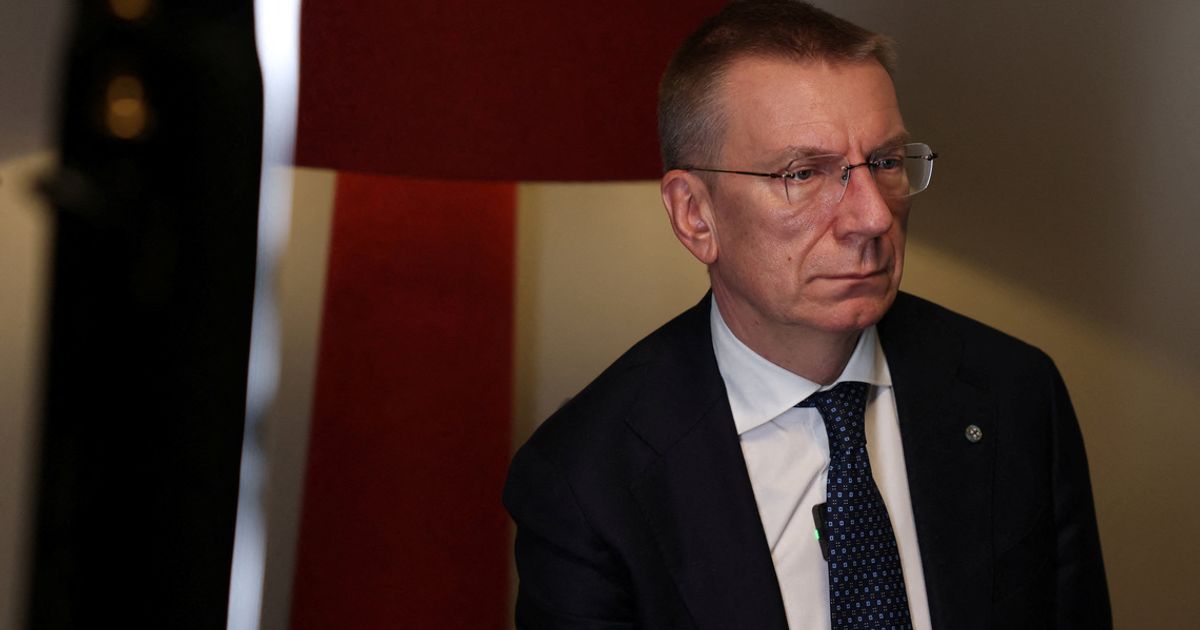
NEW YORK - Russia's war against Ukraine may reach a tipping point in 2027 that leads to a defeat for Moscow, Latvian President Edgars Rinkevics told Reuters, citing Russia's worsening economy and growing international pressure.Rinkevics, in New York to chair the United Nations Security Council during Latvia's rotating presidency, said he did not believe Moscow was genuinely interested in ending the war and likely viewed fresh negotiations on a ceasefire as a "decoy" to continue its full-scale invasion.Ukraine was facing a “perfect storm” of a brutal winter, increased attacks against energy infrastructure and escalating strikes against civilian targets, but Europe was standing by to help Kyiv with military, financial and infrastructure support and Ukraine had repeatedly proven its resilience, he said.“If we see Ukraine surviving from a military point of view, from an economic point of view - and I’m sure Ukraine is going to survive - then the tipping point could be next year, next spring, next summer,” he said in an interview recorded on Nov 23.In addition to pressure on Russia’s economy, there was growing political consensus about the need to end the war, Rinkevics said, citing attacks that had killed Indian sailors or struck ships from the Philippines and others.“The number of countries that are putting pressure is going (up) so the tipping point may come in spring, summer, next year,” he said, noting that the war was widening beyond the immediate region.He also expressed concern about what he called increasing “hybrid activities” which have been directed against European countries and that are likely linked to Moscow, including airspace violations, cyberattacks and sabotage.Russia has been careful thus far not to cross the red line of triggering an Article 5 declaration under NATO that would force members to come to each other’s aid, but is growing bolder, he added.“From what we see now, Russia is very, very careful (not) to breach this threshold. At the same time, there is another tendency: the appetite for risk is growing in Russia,” he said, noting that the number of sabotage activities, arson attempts and attacks against Ukraine-friendly entities was up sharply from 2022, when Moscow launched its full-scale invasion.Recent hybrid incidents in Germany, Spain and the Baltics - some of which are still under investigation - posed challenges in terms of determining a proportionate response, but Europe’s intelligence agencies are improving their ability to cooperate and coordinate, preempting attacks in some cases, Rinkevics said.The Kremlin consistently denies conducting sabotage operations in NATO countries or plotting any confrontation.Latvia on Nov 23 again summoned Russia’s ambassador in Riga over recent Russian attacks, Rinkevics said, underscoring the importance of such public rebuke at the same time that European countries were fighting back with “more cooperation, more intelligence sharing, more mutual support.”“That’s the result of very good cooperation across intelligence and counterintelligence community,” he said.“The trouble always is that you always have a very skilled enemy that is also implementing new ways of trying to test you and trying to attack you, and this is ongoing fight.” REUTERS
Latvian president sees possible ‘tipping point’ in Ukraine war next year
Full Article
Original Source
Read the full article at Straitstimes →KhanList aggregates and links to publicly available news content. We do not host full articles from third-party sources. Always verify important information with original sources.