
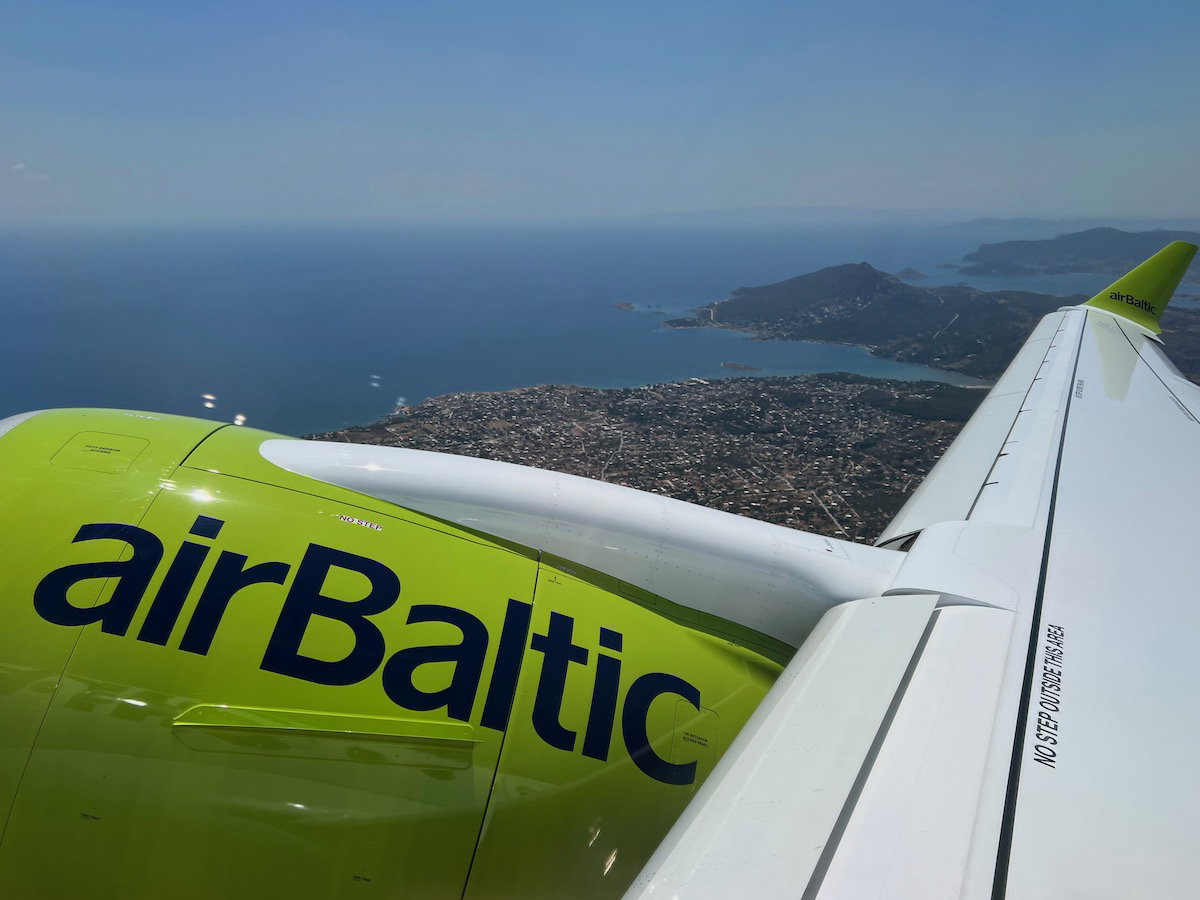
Latvian flag carrier airBaltic has just announced that it’s filing for Chapter 11 bankruptcy protection in the United States. This shouldn’t come as much of a surprise, as we’ve known the company is having major financial issues, and is looking to radically change its business plan. airBaltic files for Chapter 11, continues operating as usualairBaltic is in a rough spot, but definitely has a futureBottom line airBaltic files for Chapter 11, continues operating as usual airBaltic has today announced that it’s voluntarily filing for Chapter 11 bankruptcy in the United States, in order to restructure its financial obligation while continuing operations. The company is expecting to emerge from Chapter 11 by around June 2027, so it’s anticipated to be a pretty speedy process. The airline emphasizes that all flights are operating as scheduled, tickets and reservations remain valid, and passengers can continue to book and travel with the airline as usual. Furthermore, refunds, gift cards, and credits related to baggage or service claims, continue to be handled in line with existing policies. Passengers with upcoming travel do not need to take any action. airBaltic has secured a commitment of EUR 350 million in new debtor-in-possession financing to provide liquidity and support operations during the Chapter 11 process. Here’s how Andrejs Martinovs, Chairman of the Supervisory Board of airBaltic, describes this: “We have carefully assessed the restructuring options available to the company, with one priority in focus – to give airBaltic the best possible basis to continue operating and to build a sustainable financial structure. Under court supervision and with protection from creditor claims, this process provides a clear framework and timetable for reaching agreements with creditors, including aircraft lessors and other stakeholders.” “At the same time, it allows the company to continue operating. That is the central priority set for the airBaltic Management Board – to keep flying and to maintain Latvia’s connectivity. This process will of course require strict financial discipline, and the company will have to meet a number of important conditions along the way. Our aim is to complete the process with a financially stronger airBaltic and a substantially reduced level of obligations that the company can sustainably manage over the long term. We have a strong management team and experienced advisers with hands-on experience of implementing Chapter 11 processes. airBaltic is on the right track.” airBaltic is going through Chapter 11 bankruptcy airBaltic is in a rough spot, but definitely has a future airBaltic has historically been an incredibly well run airline. The CEO used to be Martin Gauss, but he was fired (which I found to be an odd decision), and he’s now CEO of Gulf Air. airBaltic operates an all-Airbus A220 fleet, and the airline had huge growth plans, and intended to acquire 100 of these aircraft. For a long time, the idea was as follows: Latvia has convenient geography for connections in Northern Europe, as well as to Russia, etc. Latvia is part of the European Union, but airBaltic has a major cost advantage, given that Latvia is a bit cheaper than some other countries in the EU, so there was merit to the airline wet leasing its aircraft to other airlines However, as you’d expect, the situation has evolved over time. With Russian airspace closed to airlines from the European Union, that has massively limited airBaltic’s potential route network, and particularly has limited the number of connecting itineraries the airline can sell. If the current conflict with Russia didn’t apply, it would be a totally different story at airBaltic. While airBaltic continues have a robust wet leasing business, the issue is that most airlines looking to lease planes only need them in summer, and not winter, given that it’s when demand is highest. In early 2025, Lufthansa Group even bought a small stake in airBaltic, in part because of how much it values the wet lease agreements for subsidiaries like Lufthansa, SWISS, Brussels Airlines, etc. But the issue is that summer-only wet leases need to be able to cover costs not just for summer, but also winter, since it’s not like airBaltic has anywhere to profitably fly those excess planes in winter. What has really caused issues for airBaltic in recent times is the increase in fuel costs. Not only have fuel costs increases been particularly bad in Northern Europe, but it’s also tough to be a full service(ish) airline that exclusively has a regional network, given how robust ultra low cost carrier competition is in the region. So weeks ago we learned about the carrier’s turnaround plan, which is what’s being pursued as part of this reorganization and Chapter 11 filing: airBaltic currently has a fleet of 54 Airbus A220-300s, and was planning on growing that fleet to 100 planes; however, the airline now plans to shrink instead, decreasing its fleet to just 36 planes by the end of 2026, before eventually increasing the fleet to around 40 planes by 2031 The airline plans to largely maintain its scheduled capacity (since the airline does a lot of leasing out of aircraft — more on that below); available seat kilometers are expected to decline from 9.6 billion in 2026 to 8.7 billion in 2027, before gradually increasing to 10.5 billion by 2031 airBaltic will continue to have a network heavily focused on Latvia, but rather than pursuing broad expansion, the airline will focus on deepening its presence in existing markets by increasing frequencies where demand and profitability are strongest airBaltic largely leasing out its aircraft to other airlines under a wet lease model (particularly Lufthansa Group carriers), but the airline plans to increasingly focus on year-round deployment with this strategy, to mitigate the seasonal issue airBaltic plans to significantly shrink its fleet Bottom line Latvian airline airBaltic has filed for Chapter 11 bankruptcy protection in the United States, as the company is obviously looking to get out of some of its debt and shrink. For now it should be business as usual, and airBaltic is expected to continue operating. The company has secured financing to get through this process, and expects to emerge in well under a year, by June 2027. Given what we’ve known about airBaltic’s plans to restructure, it’s not surprising to see the airline also file for Chapter 11 bankruptcy protection. What do you make of airBaltic filing for Chapter 11 bankruptcy protection?
Latvian Flag Carrier airBaltic Files For Chapter 11 Bankruptcy Protection
Full Article
Original Source
Read the full article at Onemileatatime →KhanList aggregates and links to publicly available news content. We do not host full articles from third-party sources. Always verify important information with original sources.