
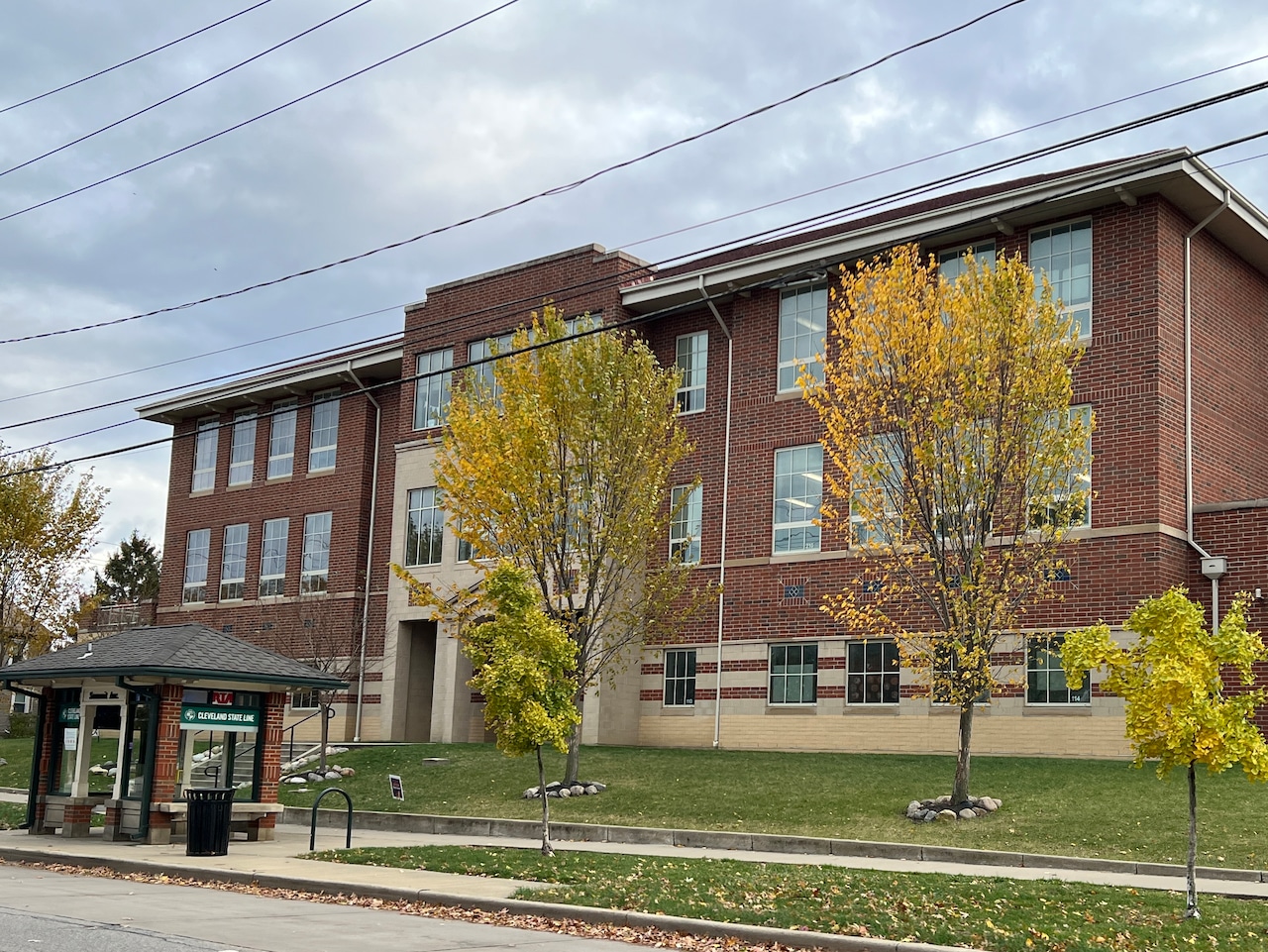
LAKEWOOD, Ohio — Lakewood City Schools is again considering reducing its neighborhood elementary schools from seven to six, with administrators arguing the change would better balance class sizes, address unused space and save more than $600,000 in its first year.The proposal would repurpose Lincoln Elementary School on Clifton Boulevard as a districtwide early learning center and redraw attendance boundaries among the six remaining K-5 schools. The plan drew sharp criticism from residents during Monday’s school board meeting, with opponents questioning the district’s enrollment projections, transportation plans and financial calculations, while urging the board to keep all seven neighborhood schools.The board did not vote Monday. Superintendent Maggie Niedzwiecki will present her final recommendations, which may differ from the current plan. The board will vote on those recommendations, not necessarily this exact proposal.The district currently operates 89 K-5 classrooms, compared with 106 in the 2018-19 school year. Administrators project needing 84 classrooms in the 2027-28 school year if the district moves to six elementary buildings.Niedzwiecki said the issue is not simply what to do with Lincoln, but how the district should use its buildings as enrollment declines.“The question before us is not whether we value elementary schools. Of course we do,” Niedzwiecki said. “The question before us is, ‘are we using our facilities today in the best way to serve Lakewood students now and into the future?’”The district currently has 24 elementary classrooms with between 14 and 17 students, administrators said. Under the six-school model, that number would fall to 11.Average elementary class size would rise only slightly, from 19.3 students to approximately 20, according to the district.“We are not creating efficiency by significantly increasing the number of students in our classrooms,” Niedzwiecki said. “We are creating efficiency primarily by having fewer small classes and using our existing classrooms more effectively.”The district estimates the change would save slightly more than $600,000 during the first year. Treasurer Meghan Rohde said that figure includes staffing changes, additional building-use revenue and the costs of moving and reconfiguring classrooms and materials.Rohde said the savings would be expected to increase in later years because some of those transition costs would occur only once.The district has managed previous staffing reductions, when possible, through retirements, resignations and unfilled vacancies, officials said.Lincoln would become early learning centerUnder the proposal, Lincoln would remain open but would no longer serve neighborhood K-5 students.Instead, it would house the district’s preschool and early-childhood programs, which are currently spread across seven locations.District administrators said a centralized center could offer more full-day preschool options, more consistent access to specialized services, before- and after-school care through a YMCA partnership, as well as potential summer programming. They also said bringing preschool staff together would reduce duplicated resources and allow specialists to spend less time traveling between buildings.The district currently has preschool programs at seven sites, each of which is treated as a separate program under state licensing requirements. Administrators said that arrangement requires each site to be staffed independently and makes it harder to share staff and resources.A centralized site could also make it easier for students receiving special-education services to move between different classroom settings without having to change buildings, officials said.The district has secured a YMCA partnership for before- and after-school care at the proposed center. Officials also said they would seek grant funding to help provide transportation for students when transportation is a barrier.The lack of a detailed transportation plan became a major point of contention.Transportation, enrollment concernsOpponents argued that the district should have a detailed transportation plan before changing attendance boundaries.Jen Robach said the district should consider options including partnerships with the Greater Cleveland Regional Transit Authority, student transit passes and safer walking and biking routes.“For generations, Lincoln has been able to function without school buses because our schools were intentionally distributed throughout our neighborhoods,” Robach said.She noted that the district received a $50,000 Safe Routes to School grant from the Ohio Department of Transportation and argued that transportation would become an even greater issue if students are assigned to schools farther from home.Other residents questioned whether pandemic-era enrollment declines should drive a permanent change. They also questioned the district’s $600,000 savings estimate and asked for more detailed information about the costs of converting Lincoln, including changes to the building and playground.Some said eliminating Lincoln as a neighborhood school would also hurt walkability and could affect neighborhood identity and home values.Some residents support six-school planThe opposition was not unanimous.Paul Porter, who lives in the Lincoln attendance area, said he supports repurposing the building and moving to six elementary schools.“I’m fine with the plan to repurpose Lincoln and go to six schools,” he told the board. “I grew up in a really rural area. We had one elementary school and the folks that were outside the city limits could get a bus to school, but people that lived in the village had to walk.”Porter said Lakewood would remain among Ohio’s most walkable school districts even with six elementary schools.“I think maybe we could give kids a bit more credit for their resilience and their ability to change,” he added. “And I would ask that as grown-ups in the community, we kind of consider our resilience and our commitment to adapt and change to things.”Lawsuit prompted new reviewThe board voted Oct. 20, 2025, to repurpose Lincoln as an early learning center and later redraw elementary attendance boundaries.Friends of Lakewood Schools subsequently filed a lawsuit challenging the process. The board approved a settlement Aug. 4 without admitting wrongdoing.The settlement requires additional public meetings and a new vote. The Aug. 10 and Monday meetings were held as part of that reconsideration process.The superintendent’s final recommendation is scheduled for Sept. 8. The board is expected to discuss and vote on whether to move forward with the six-school plan.
Lakewood plan to cut elementary schools from 7 to 6 sparks debate
Full Article
Original Source
Read the full article at Cleveland →KhanList aggregates and links to publicly available news content. We do not host full articles from third-party sources. Always verify important information with original sources.