
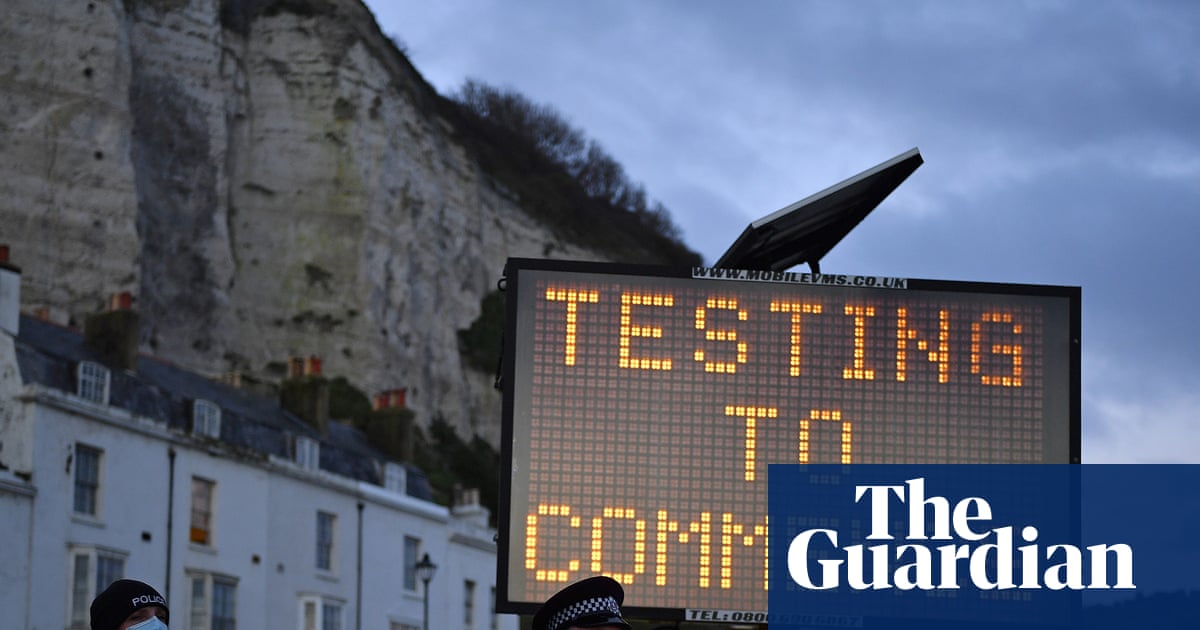
The lack of international border controls at the start of the Covid-19 pandemic left the UK in an “extremely vulnerable position”, an inquiry has concluded.In the latest report from the Covid-19 inquiry, the chair, Heather Hallett, also said failures to quickly introduce a test-and-trace system allowed the virus to spread “with deadly speed across the country, virtually unchecked”.She said: “The UK entered the Covid-19 pandemic woefully ill-prepared to implement effective, nationwide test, trace and isolate systems. This left decision-makers effectively blind to the scale of the highly contagious virus.”The report said years of public health emergencies and pandemic preparedness exercises should have meant the country was fully prepared to deploy test and trace; instead, a system had to be created “virtually from scratch” during a fast-moving emergency.More than £25bn was spent on the NHS test-and-trace system in England but Hallet said it had come too late and at a huge cost.She also criticised the lax international border controls at the start of the pandemic, saying it had left the nation vulnerable for months.The report said that by April 2020, 93% of countries had put in measures, such as flight suspensions, border controls and travel restrictions, but the UK government was only asking travellers from high-risk areas, including Wuhan, in China, where the virus originated, to self-isolate.This policy did not prevent a coach of tourists from Wuhan entering England and travelling to Scotland, Northern Ireland and the Republic of Ireland in February 2020, it said, and there were no further restrictions until June.Hallett said: “The decision to allow virtually unrestricted international travel in the first six months of 2020 came at a time when the UK had no mass testing or widespread contact tracing, and its healthcare resources were stretched thin.“Overall, the UK was left in an extremely weak position from which to face the rapidly rising rates of infection.”The report said 18 February 2020, when there were only nine confirmed cases of Covid-19 in the UK, would have been the ideal time to bring in travel restrictions – when there were low levels of domestic infection, but higher rates elsewhere.The 240-page report on test, trace and isolate is the seventh of 10 to be published by the Covid-19 inquiry, now the most expensive public inquiry in history with costs rising to more than £200m.It is based on oral evidence from 41 witnesses in public hearings in May, as well as 200 written statements and more than 23,000 documents.In previous reports, Hallet has concluded that government failures caused Covid-19 to spread “like wildfire” among vulnerable and elderly people in care homes, and that bringing in a lockdown a week earlier than happened could have saved more than 20,000 lives.Hallet’s recommendations in this report included the creation of a UK-wide digital contact-tracing tool, better plans on how to deliver manual contact tracing at scale, and financial support for people to self-isolate.Alan McNally, a professor of microbial genomics at the University of Birmingham, told the inquiry that if there was another pandemic in the near future, “in terms of delivering tests, we’ll be exactly where we were at the start of 2020”.Hallett said a better test, trace and isolate system would be “fundamental to saving lives and reducing suffering” with the next deadly virus.
Lack of early border controls made UK ‘extremely vulnerable’ to Covid, inquiry finds
Full Article
Original Source
Read the full article at Theguardian →KhanList aggregates and links to publicly available news content. We do not host full articles from third-party sources. Always verify important information with original sources.