
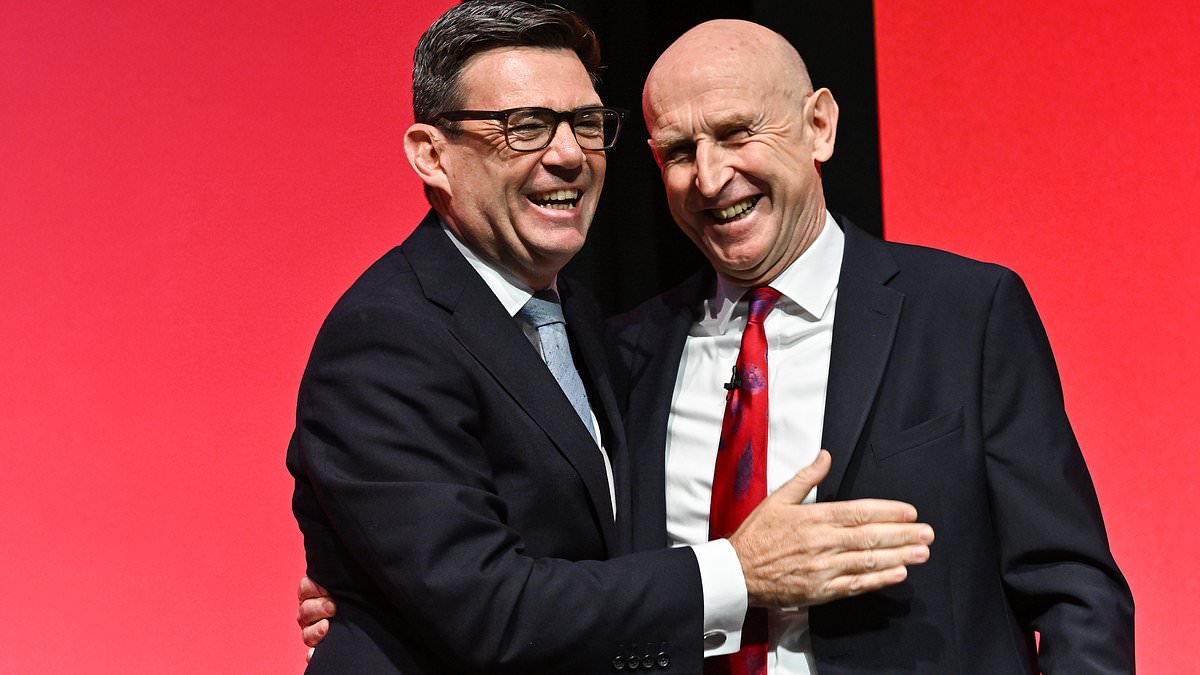
Brits are facing a huge 'stealth tax' raid that could help John Healey balance the books at the Budget.Surging inflation from the Middle East crisis is set to drag workers deeper into the tax system, according to the Institute for Fiscal Studies.Even though wages are not likely to keep pace with prices, the long-running freeze on thresholds means people will be paying more to the Treasury. The think-tank estimated that will boost the Chancellor's income tax revenues by around £9billion a year in 2029-30 - and possibly much more. There will also be big cash boosts to the coffers from VAT and property taxes, although the IFS stressed the picture is very volatile. The windfall is seen as largely offsetting a huge hit to the Government's 'headroom' against its key fiscal rule, that the current budget must be in surplus in 2029-30.That margin stood at £24billion at the time of Rachel Reeves' Spring Statement in March, but might otherwise have been virtually wiped out by soaring interest costs on the Government's debt mountain and more spending commitments. Brits are facing a huge 'stealth tax' raid that could help John Healey (pictured with Andy Burnham) balance the books at the Budget A tax windfall is seen as largely offsetting a huge hit to the Government's 'headroom' against its key fiscal rule, that the current budget must be in surplus in 2029-30 The IFS could upgrade forecasts for wages because inflation is expected to be higher However, the IFS warned it will not be 'credible' for Mr Healey to simply pocket the extra money in his package on October 28, as inflation will also cause massive strain on departmental spending.The report said the Chancellor faces increasing taxes or borrowing if he wants to raise defence spending to 3 per cent of GDP by 2030 and protect departmental budgets.But the think-tank cautioned that that this is not the time to increase borrowing as debt remains high and markets are nervy.Mr Healey looks set to attempt to sidestep the defence issue, as he has said a path for defence investment will not be laid out until a spending review, expected next Autumn. That is despite quitting Keir Starmer's Government just a few months ago in protest at the failure to lay out a timetable for reaching the 3 per cent level. Nick Ridpath of the IFS said that inflation means it will cost £24billion to avoid real-terms cuts to departmental budgets and £11billion to meet the defence target by 2030-31.IFS director Helen Miller said if Mr Healey funds the total £35billion through tax, he would have to add 3 per cent to the rate of income tax or VAT. Uprating of benefits is likely to add around £10billion of additional costs.'John Healey likely faces a forecast in which borrowing is still expected to fall in coming years and the fiscal rules are still being met,' she said.'Despite that, a ''steady-as-she-goes'' Budget is not an option available to the Chancellor.'Choosing to stay the course with the inherited tax and spending plans would mean allowing inflation to blow departments' spending plans off course.'It would be a choice to tolerate chunky cuts to the quantity or quality of some public services – cuts that would be larger if defence spending was increased within existing totals.'She said: 'If he chooses the path of squeezing public spending, he should be transparent that there are tough years ahead for some public services.'Simply pencilling in implicit cuts that he has no intention of delivering would make the Budget a work of fiction.'The Tories introduced the freeze on tax thresholds in 2022. It was originally due to end in April 2026, but Jeremy Hunt extended that until 2028.Ms Reeves than pushed that back another three years until April 2031. The policy is already estimated to increase taxes by more than £50billion a year by the end of the decade.Downing Street has played down vague suggestions from Andy Burnham that he would like to see the personal allowance go up soon. The Tories said Labour should get welfare costs down to reduce borrowing rather than increase taxes. The IFS pointed out that higher wages have a significant impact on the Treasury's revenues Shadow Chancellor Andrew Griffith said: 'Labour raised taxes by £66billion in its first two Budgets. 'Families cannot afford to be lumbered with even more tax rises... Labour should cut welfare instead of dumping on working people.'It comes as Mr Healey has reportedly ruled out a 'warehouse tax' raid following pressure from high street shops.In one of his first pledges as Prime Minister, Mr Burnham said he would ramp up taxes on warehouses to fund tax cuts for pubs and restaurants.He is also thought to have abandoned plans to expand the scope of the 'mansion tax' to cover properties worth over £1.5million, instead of £2million as originally proposed.
Labour's new '£9bn' stealth tax raid? Hated freeze on thresholds set to hammer Brits even harder as inflation surges - in Budget windfall for Chancellor
Full Article
Original Source
Read the full article at Dailymail →KhanList aggregates and links to publicly available news content. We do not host full articles from third-party sources. Always verify important information with original sources.