
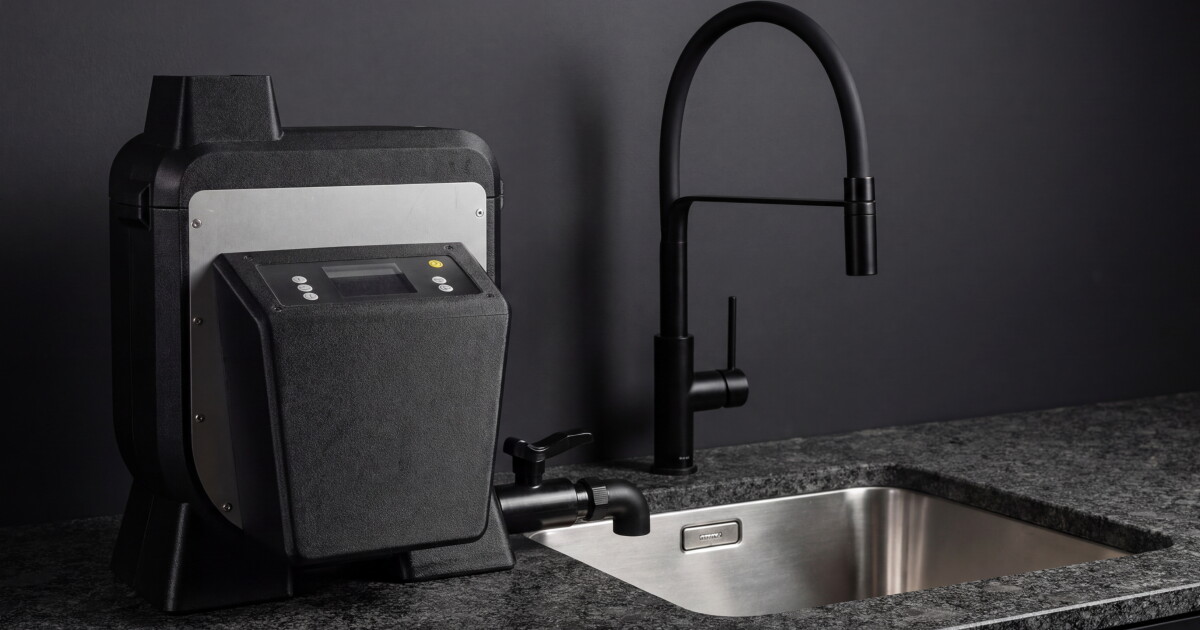
For a really rich, organic, textured look, many low-budget filmmakers still shoot on 8-mm or 16-mm analog film – but getting the stuff processed is a major hassle. That's where Frank comes in, as it allows users to process their own film at home.Back in the 1980s, when Super 8 film was still in common use, getting it processed was relatively easy.You just dropped your exposed cartridge off at a local camera store or whatnot, they sent it off to a regional processing lab, and about two weeks later your processed reel of film came back. The cost of a 3-minute cartridge and processing combined typically came out to somewhere around $20.Fast-forward to 2026, and Super 8 cartridges have become specialty items that cost in the neighborhood of US$65 a pop – and that's without processing. In order to get them processed, you have to pay to send them off to one of a few labs that still handle them, which charge approximately $40 per cartridge. Vintage Super 8 film reels from the 80s, shot by yours trulyBen Coxworth / New Atlas And it doesn't end there …Unless you own an analog projector, and are content to just project those films onto an analog screen – and edit them with an old-school splicer – you then have to get your Super 8 footage digitized. Yet another step in the process.So yes, things would certainly be a lot quicker and easier if you could just take the cartridge out of the camera, pop it in your home film-processing machine, and watch it the same day you shot it. That's the idea behind Frank. Frank is made of injection-molded plastic and stainless steelVintage Visual Developed by Estonian startup Vintage Visual, it was recently the subject of a successful Indiegogo campaign. It's now in the Late Pledge category, meaning it's reached its funding goal but is still taking pledges.Along with Super 8, the motorized device also accepts Standard 8 and 16-mm film – both black-and-white and color, negative and reversal. It utilizes standard widely-available Developer/Stop/Fix chemistry kits, using less than 1 liter of liquid per cartridge.Operating the device consists of preparing and heating the chemicals to the required temperature, loading the film onto Frank's supply reel in a dark bag, loading the reel into the machine, choosing a program from the touchscreen, pouring in the first of the chemicals, then pressing Start. The touchscreen is used to select different programs for different film stocksVintage Visual From there, Frank automatically handles the agitation process, winding the film from the supply reel – down through the chemical bath – onto the take-up reel. It also alerts the user, letting them know when one of the chemicals has to be drained and the next one has to be added. Importantly, the system determines the timing by monitoring the temperature of the chemicals.Once the film is processed, the user just pulls it out and hangs it up to dry. Frank handles film reels up to 50 feet (15 m) in lengthVintage Visual Assuming everything goes to plan, a pledge of €1,085 (about US$1,214) will get you a Frank of your own – the planned retail price is €1,281 ($1,434). So yes, you'd need to be a fairly frequent user in order to make it pay for itself.That said, if you really want the Super 8 look but just can't swing that price, you might want to check out a new Super-8-inspired 4K video camera. FRÄNK FILM PROCESSOR Sources: Indiegogo, Vintage Visual
Lab-in-a-box lets filmmakers develop their own movie film at home
Full Article
Original Source
Read the full article at Newatlas →KhanList aggregates and links to publicly available news content. We do not host full articles from third-party sources. Always verify important information with original sources.