
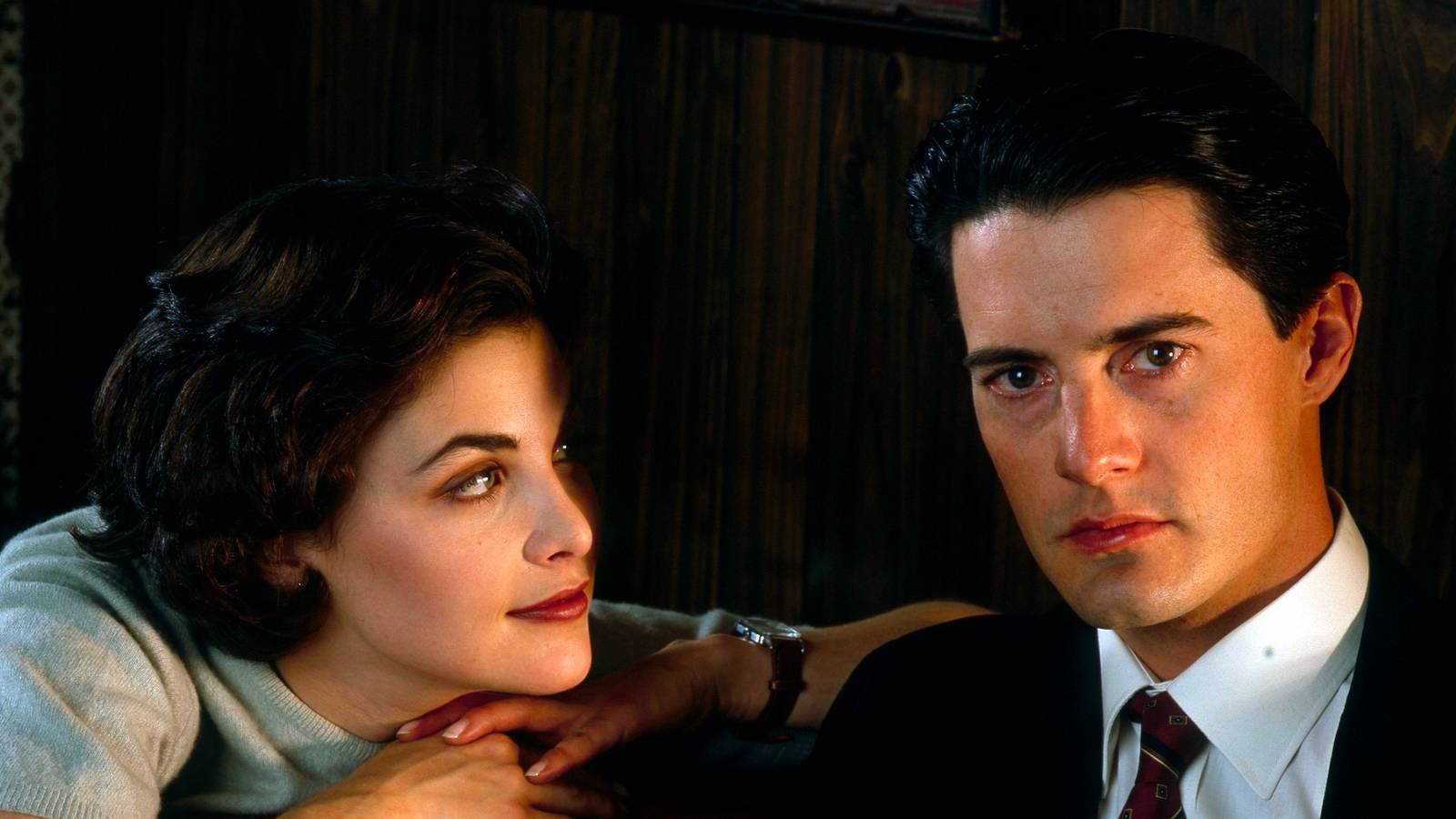
Published Oct 19, 2026, 6:59 PM EDT Cathal Gunning has been writing about movies, television, culture, and politics online and in print since 2017. He worked as a Senior Editor in Adbusters Media Foundation from 2018-2019 and wrote for WhatCulture in early 2020. He has been a Senior Features Writer for ScreenRant since 2020. While Twin Peaks was one of the most influential TV shows ever made, the star of the series explained what derailed the show during a podcast appearance with Conan O’Brien. If the classic ‘90s supernatural cop show The X-Files shaped dozens of shows that arrived in its wake, from Buffy the Vampire Slayer and Supernatural to Fringe, Evil, and Grimm, then Twin Peaks could be credited with helping to shape The X-Files itself. Not only that, but creators David Lynch and Mark Frost’s show was so unique in its blend of genres that Twin Peaks can be credited with influencing everything from The X-Files to Desperate Housewives, to Gravity Falls, Lost, and Stranger Things. While the trippiest and most gruesome episodes of The X-Files owe something to the nightmarish psychological horror of Twin Peaks: Fire Walk With Me, the offbeat, deadpan humor of Twin Peaks had a clear influence on both ‘90s classics like Northern Exposure and later critical hits like Fargo and Atlanta. However, despite what an influential series the murder mystery became, Twin Peaks was canceled after only two seasons back in 1991, and many fans already felt the ABC show had overstayed its welcome. It seems incredible that a show so critically adored and popular with mainstream viewers could have ended so soon, but on a recent appearance on Conan O’Brien’s podcast Conan O’Brien Needs A Friend, series star Kyle MacLachlan explained how the show’s sudden end came about. Kyle MacLachlan Has Confirmed The Cause Of Twin Peaks’ Cancellation Via MovieStillsDB According to MacLachlan, who played the inimitable FBI agent Dale Cooper in the series and its 2017 revival, Twin Peaks: The Return, ABC executives pressured Frost and Lynch to solve the murder of Laura Palmer, and this was what killed Twin Peaks season 2. MacLachlan noted that it was in the nature of the executives to demand a resolution to this storyline, but the actor nonetheless confirmed that he never felt the show’s creators were invested in the reveal, and that Twin Peaks lost its momentum after season 2, episode 9, “Arbitrary Law.” Per MacLachlan, “Once you removed [the mystery of who killed Laura Palmer]—it was a really powerful thing, trying to solve that—and, instead of sort of soft pedalling that and focusing on, just, this crazy community of people and what was going to happen there, that became the entire focus.” MacLachlan then concurred with O’Brien’s observation that Lynch didn’t seem all that heavily invested in revealing the killer, with the actor saying that “He never wanted to pin it on anyone.” Of course, the late writer/ director’s choice (alongside his co-creator, Frost) of killer turned out to be the perfect one. The revelation of Laura Palmer’s killer remains one of the darkest TV twists ever, but the killer’s identity is fitting rather than arbitrary and ties together the show’s overarching theme of seemingly perfect suburban towns hiding dark secrets beneath their cheery veneers. Season 2’s Ninth Episode Was The Death Knell For Twin Peaks Credit: MovieStillsDB The problem, then, was that “Arbitrary Law” sapped the series of any underlying momentum in its ongoing storytelling. There were other storylines, from the corporate espionage surrounding the local mill to Audrey Horne’s investigation of One Eyed Jacks. However, none of these plots were compelling enough to carry the show on their own, especially when the Laura Palmer plot came to such a definitive and explosive end so early in season 2. Much like The Shield’s Shane/ Vic storyline built to a jaw-dropping ending and this meant the show needed to conclude the moment this plot ended, Twin Peaks couldn’t continue on after the unmasking of Laura Palmer’s killer. Although Twin Peaks: The Return brought back the town 25 years later, the revival was a fundamentally different sort of series. Lynch’s last major project, Twin Peaks: The Return, was more of an immersive, experimental 17-hour movie than a conventional season of television. Deliberately dark, obtuse, and intense, the revival intentionally avoided the comforting narrative rhythms of network television that viewers reliably found in the original show. After all, as MacLachlan noted, it was sticking to these established rhythms that killed Twin Peaks in the first place. Release Date 1990 - 1991-00-00 Network ABC, Showtime Showrunner Mark Frost Cast Piper Laurie Katherine Martell Directors Lesli Linka Glatter, Caleb Deschanel, Duwayne Dunham, Tim Hunter, Todd Holland, Tina Rathborne, Diane Keaton, Graeme Clifford, James Foley, Jonathan Sanger, Mark Frost, Stephen Gyllenhaal Writers Mark Frost, David Lynch, Harley Peyton, Robert Engels, Barry Pullman, Scott Frost, Tricia Brock Creator(s) Mark Frost, David Lynch
Kyle MacLachlan Officially Confirms The Twin Peaks Episode That Killed The Show
Full Article
Original Source
Read the full article at Screenrant →KhanList aggregates and links to publicly available news content. We do not host full articles from third-party sources. Always verify important information with original sources.