
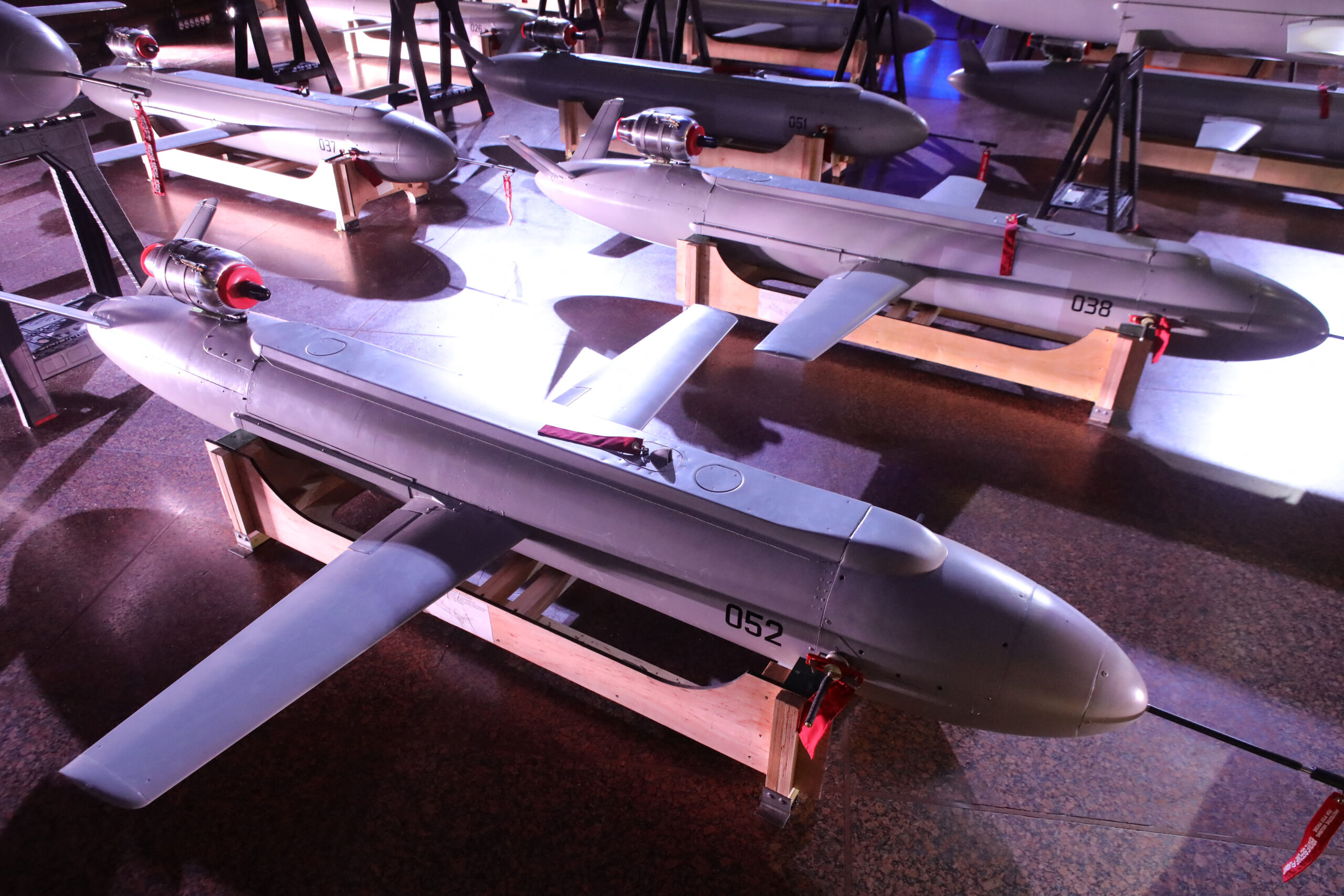
Ukrainian long-range drone strikes have reduced Russian oil refining output by around 45 percent since late October, Reuters reports. This is causing renewed fuel shortages in some Russian regions and creating challenges for the energy exports that fund the Kremlin war machine. The current surge in Ukrainian strikes began at the end of October following a lull in attacks amid pressure from US President Donald Trump, who called on Kyiv to pause its strategic bombing campaign in order to ease the pressure on global fuel markets. Ukraine initially backed Trump’s proposed energy sector ceasefire, but insisted Russia must also agree. When it became clear that Russian President Vladimir Putin had no intention on abiding by any truce, Ukrainian attacks resumed. There has been a new intensity to Ukraine’s aerial offensive in recent weeks, with major strikes on refineries and other energy industry infrastructure taking place on an almost daily basis. This appears to be having a significant impact on Russia’s energy sector. While Reuters cites a 45 percent reduction in oil refining, Ukrainian President Volodymyr Zelenskyy recently claimed that Ukrainian attacks had taken 55 percent of Russia’s oil refinery capacity offline. These striking results raise an obvious question. If Ukrainian long-range drones are so effective, why are there not more of them? The answer is not engineering or industrial capacity. It is money. Stay updated As the world watches the Russian invasion of Ukraine unfold, UkraineAlert delivers the best Atlantic Council expert insight and analysis on Ukraine twice a week directly to your inbox. Since the onset of Russia’s full-scale invasion in February 2022, Ukraine has established one of Europe’s largest and most technologically advanced defense sectors. Some of this has been based on the country’s Soviet-era industrial inheritance, but much of it has been built from scratch. The Ukrainian defense industry has expanded at such a rapid pace that it now has significant excess capacity. In other words, Ukrainian defense companies could produce much more than the government can currently afford to purchase. Speaking in April, Zelenskyy suggested that while the state planned to spend $30 billion on defense procurement in 2026, potential domestic output could reach $60 billion. Others have offered similar figures. Late last year, officials from the Ukrainian Council of Gunsmiths estimated that around 60 percent of the country’s defense production capacity remained unused. Meanwhile, Ukraine’s Defense Industry Council claimed in summer 2026 that only a quarter of existing capacity across the defense sector had been contracted. Kyiv cannot close this gap alone. Ukraine currently spends about 40 percent of GDP on defense, with much of this committed to paying the salaries of the country’s dramatically expanded armed forces. Every hryvnia spent on soldiers is a hryvnia that cannot be used to fund additional drone production. Eurasia Center events One obvious solution would be for Kyiv’s partners to direct existing financial commitments toward Ukraine’s defense industry. This is already happening. Under the so-called Danish model, donor governments pay Ukrainian manufacturers directly, rather than shipping weapons from their own shrinking stocks. Denmark pioneered this approach in 2024. Sweden, Norway, Iceland, Canada, Lithuania, and other countries have since joined, according to the Kyiv School of Economics. For now, however, the sums involved remain relatively modest. The logic is simple. Ukrainian drones are typically cheap compared to their European counterparts. Crucially, they have also been tested in combat conditions. Channeling funding toward Ukrainian defense tech companies is therefore militarily and economically appealing. Skeptics have raised concerns over possible corruption and highlighted the importance of transparency when funneling large sums of money to Ukrainian defense tech companies. There is clearly a need for audits and accountability, but fears over the potential mismanagement of funds can be addressed without leaving production lines idle. There are also issues that money alone cannot fix. Many of Ukraine’s drone manufacturers still rely heavily on imported components including engines, electronics, and navigation tools. This can leave them exposed to supply bottlenecks and red tape. Joint ventures with European partners can help secure stable access to these critical components, while also moving elements of the production cycle beyond the reach of Russian airstrikes. As NATO allies ramp up their defense budgets to meet new spending pledges, channeling part of that money into Ukrainian production and joint component ventures on European soil offers the highest possible return on investment. Ukraine has proved that it can manufacture drones capable of reaching Russian oil refineries in Siberia and missile plants close to St. Petersburg. With sufficient international support, the country’s booming defense industry has the capacity to do much more. Funding increased drone production may be the most cost-effective way for Ukraine’s European partners to counter the Russian threat and safeguard their own security. Leonid Baratz is an investigative journalist and foreign correspondent with more than fifteen years of experience covering the Middle East and Central Europe. He is the Middle East correspondent for Ukrainian national television and radio and writes on Eastern European affairs for Israel’s BeSheva media group. Further reading The views expressed in UkraineAlert are solely those of the authors and do not necessarily reflect the views of the Atlantic Council, its staff, or its supporters. The Eurasia Center’s mission is to enhance transatlantic cooperation in promoting stability, democratic values, and prosperity in Eurasia, from Eastern Europe and Turkey in the West to the Caucasus, Russia, and Central Asia in the East. Follow us on social media and support our work Image: Ukrinform/ABACA via Reuters Connect
Kyiv’s partners should prioritize Ukraine’s domestic drone production
Full Article
Original Source
Read the full article at Atlanticcouncil →KhanList aggregates and links to publicly available news content. We do not host full articles from third-party sources. Always verify important information with original sources.