
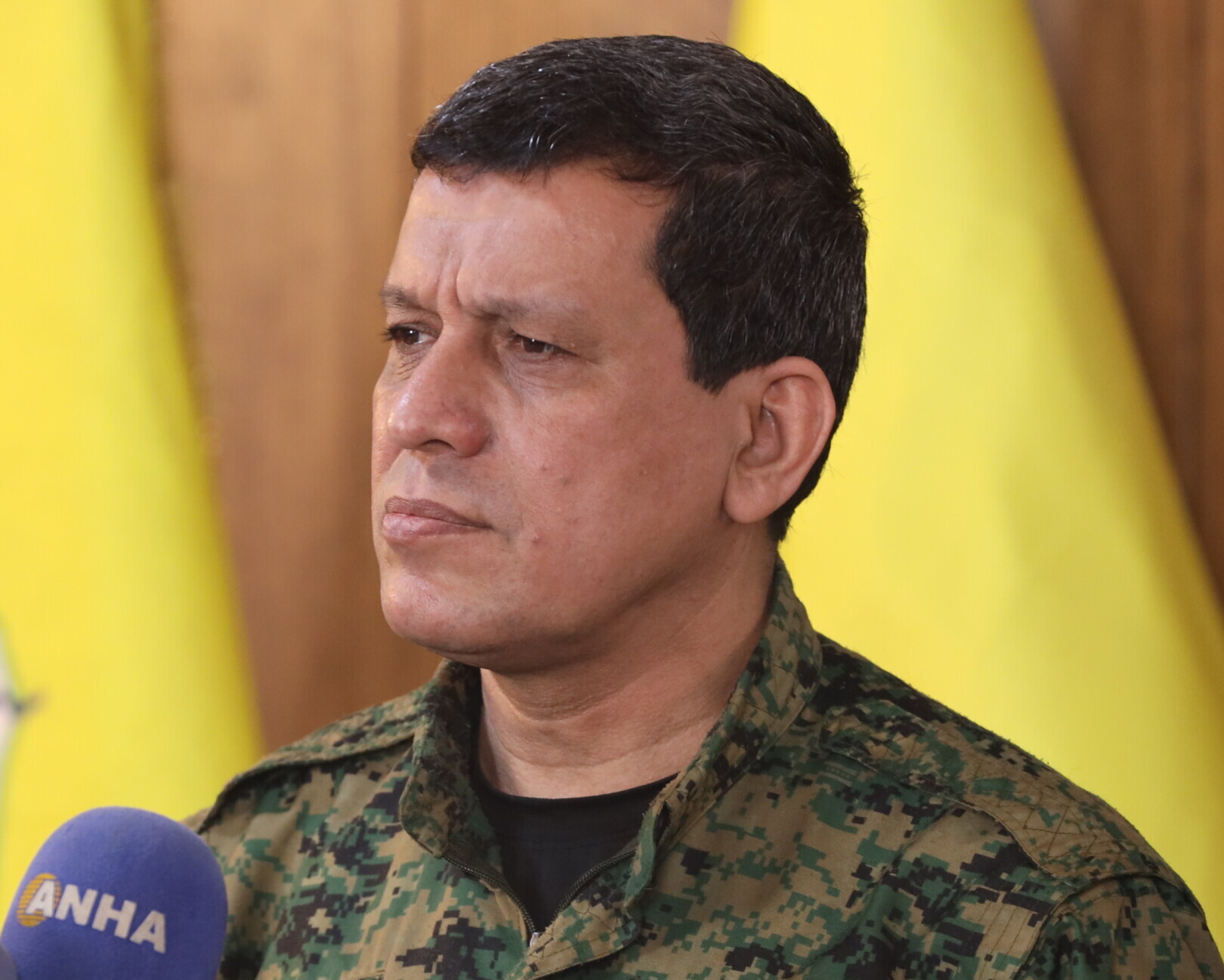
Mazloum Abdi, commander of the Kurdish-led Syrian Democratic Forces (SDF), a US counterterrorism partner in the fight against the Islamic State (IS), announced on August 25 the dissolution of his forces following their full merger into Syrian state institutions, including both military and civilian bodies. The announcement came after months of negotiations and the integration of SDF forces into several brigades within the Syrian Arab Army under a January 29 agreement, which established a framework for the SDF’s inclusion into the state. The agreement in January followed a series of clashes between the Syrian Army and the SDF that ultimately saw Damascus take control of most of northeastern Syria, territory that had previously been under SDF control. The dissolution marks the end of more than a decade of de facto Kurdish-led autonomy in northeastern Syria. It represents one of Damascus’ most significant steps towards reestablishing centralized authority over the country. Approximately 10,000 SDF fighters have already joined the Syrian army, with senior SDF officials saying the final number could reach roughly 12,000. The integration was centered on brigades based in Hasakah, Qamishli, Derik, and Kobani (Ayn al Arab), each commanded by former SDF officers. Three of the brigades were initially assigned to the 60th Division of the Syrian army, and one to the 72nd Division, but subsequent army restructuring brought the formations under the newly established 2nd Corps. Former SDF commander Jiya Kobani serves as the corps’ deputy commander, and former SDF commander Sipan Hamo serves as deputy minister of defense. Damascus also absorbed the SDF-affiliated Internal Security Forces, commonly known as the Asayish, into the Syrian Ministry of Interior. The process opened with the submission of a list of approximately 9,000 Asayish personnel for potential incorporation into the ministry. Damascus subjected those personnel to a vetting process, and no definitive figure has been released for how many were ultimately integrated. Additionally, senior Asayish commander Mahmoud Khalil Ali was appointed deputy commander of Internal Security in Hasakah Province. An important issue regarding the fate of the SDF’s all-female Women’s Protection Units (YPJ) remains unresolved. Damascus has rejected the YPJ’s demand to join the Defense Ministry as an intact military formation, arguing that the Syrian army does not include female combat units. YPJ leaders, however, have resisted individual integration and insist that their fighters retain a distinct organizational identity and command structure. In May, Damascus proposed dispersing YPJ personnel among civilian institutions, including Tourism Police and immigration and passport services, which YPJ commanders rejected. The two sides are now considering a compromise under which approximately 2,000 YPJ personnel would be integrated into civilian institutions. The civilian component of the integration is nearly as significant as the SDF’s military integration. The governing structures established in northeastern Syria have also been gradually absorbed into Syrian state institutions. Damascus assumed control over northeastern Syria’s major oil and gas infrastructure, including the Rumeilan and Suwaydiyah fields, with former employees being integrated into the Syrian Petroleum Company. Border crossings previously administered by the SDF were incorporated into Damascus’s national customs system, while Syria’s General Authority of Civil Aviation assumed administrative and operational control of Qamishli International Airport. The process has also extended to civilian services. Around 20,000 employees of the northeast’s education administration have been integrated into the Syrian Ministry of Education and placed on government payrolls. Approximately 1,400 health-sector employees have been incorporated into the Ministry of Health, while another 700 employees from the northeast’s electricity institutions have been integrated into the corresponding state structures. Ahmad Sharawi is a senior research analyst at the Foundation for Defense of Democracies focused on Iranian intervention in Arab affairs and the Levant.
Kurdish-led Syrian Democratic Forces announce its dissolution
Full Article
Original Source
Read the full article at Fdd →KhanList aggregates and links to publicly available news content. We do not host full articles from third-party sources. Always verify important information with original sources.