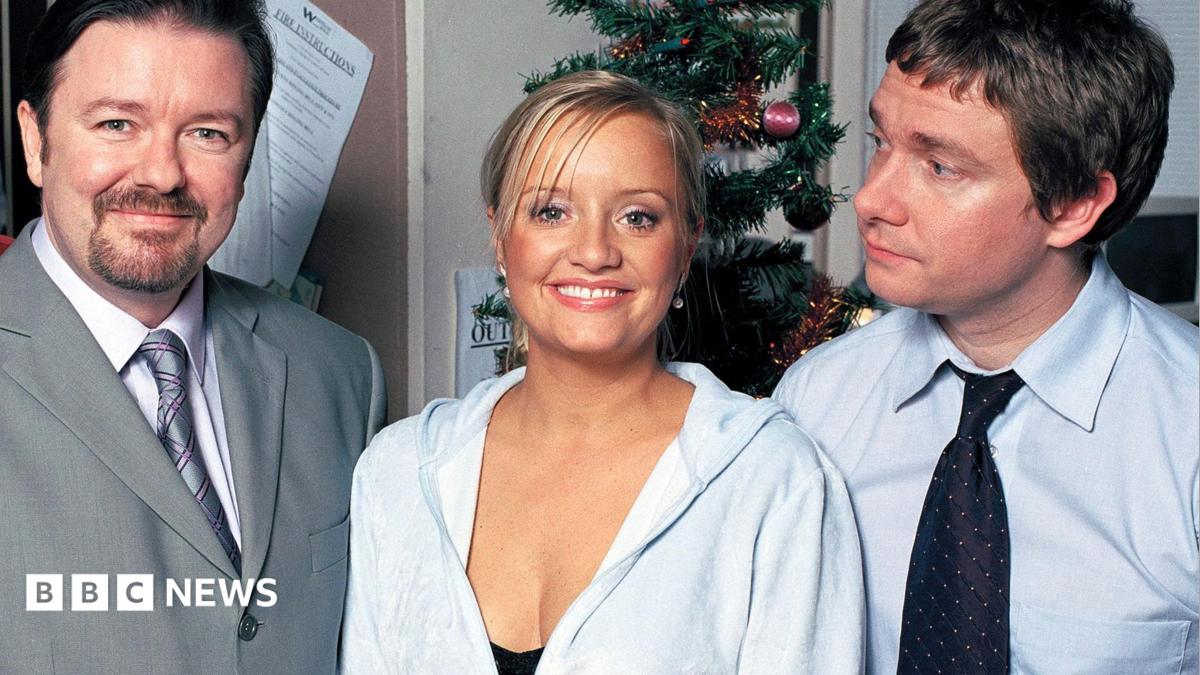
Image caption, Left to right: Ricky Gervais as David Brent, Lucy Davis as Dawn and Martin Freeman as Tim in The OfficeByMichelle RobertsDigital health editorSigns of breast cancer are not always a lump in the traditional sense, so what should you look for?Actress Lucy Davis, who played Dawn Tinsley in the original UK version of the popular TV series The Office, has revealed she has incurable breast cancer.On Instagram, external, the 53-year-old said it had spread to her bones and it was too late for chemo.She added: "The initial lump that I felt, wasn't a 'lump' as such; rather a kind of hard spot. Really tiny."Here's how to check yourself at home.What to look forThe NHS says to check your breasts, external or chest about once a month.That helps you learn what looks and feels normal for you, making it easier to notice any abnormal changes. Breasts can naturally look and feel a bit different at different phases of your menstrual cycle, and change a bit as you age. Instead, pay attention to:a lump or swelling in your breast, chest or armpita change in the skin of your breast, such as dimpling (it may look like orange peel) or redness, which may be harder to see on black or brown skina change in size or shape of one or both breasts, or either side of your chest – it's common for breasts to be different sizes, but check for any changes that are not normal for younipple discharge (if you're not pregnant or breastfeeding), which may have blood in ita change in the shape or look of your nipple, such as it turning inwards (inverted nipple) or a rash appearing on it (it may look like eczema)sores or ulcers on your chestHow to check your breastsLook at your breasts or chest in a mirror to look for any changes. Start with your arms by your sides and then raise them up.Feel around each breast or side of your chest in a circular motion all the way up to your collarbone and under each armpit. Use a mix of light and firmer pressure. Do not press so hard it hurts.Feel around and over each nipple.When should I see a doctor?See your GP if:you have a lump or swelling in your breast, chest or armpityou have any changes in your breasts, chest or nipples that are not normal for youyou have pain in your breast or armpit that does not go awayMore on this story
Know how to check your breasts for cancer. Actor Lucy Davis found a 'hard spot', not a lump
Full Article
Original Source
Read the full article at Bbc →KhanList aggregates and links to publicly available news content. We do not host full articles from third-party sources. Always verify important information with original sources.