
Published Oct 26, 2026, 1:00 AM EDT Passionate about promoting aviation, the beauty of flight and the science behind it, Antonio is an avid reader of aviation magazines and books, and he loves visiting airshows all over the world, taking photos and writing about airplanes and helicopters as well. He is currently based in Palermo, Sicily. KLM Royal Dutch Airlines is cutting flights before they have a chance to go wrong. According to NL Times, the Dutch airline has told staff it will cancel selected services from October 26, 2026, until early March 2027, freeing up more intercontinental aircraft to act as reserves. It is an unusual trade-off: giving up flights that could have carried passengers to reduce the risk of aircraft shortages disrupting services at the last minute. The decision puts KLM’s maintenance operation at the center of a difficult question. Why does one of Europe’s major network airlines have too few serviceable aircraft to operate its planned schedule, despite investing billions of euros in fleet renewal? And can canceling flights in advance give the airline enough breathing room to get through the winter without further disruption? KLM’s Winter Flight Cuts: What We Know So Far Credit: KLM The basic plan is confirmed, but its full scale is still unclear. As NL Times reported, the story first appeared in De Telegraaf before a KLM spokesperson confirmed it. The cancellations are expected to continue for roughly five months, and some flights are already using aircraft different from those originally scheduled. Aviation24.be says KLM wants to keep more long-haul aircraft available as reserves, reducing the risk of last-minute cancellations on the services it continues to operate. KLM has not released either a total number of canceled flights or a list of affected destinations. According to NOS, the airline is reviewing flights where cancellations would have the least impact and where passengers could be rebooked more easily. Travel site Deep Arrival notes that KLM’s winter schedule covers 164 destinations between October 25, 2026, and March 27, 2027. That gives a sense of the size of the network, but it does not tell us how many routes or departures will be affected. The move follows a difficult stretch of operations. NL Times reported that KLM canceled at least five intercontinental routes at short notice over the preceding weekend, putting further pressure on crew scheduling. The airline is now trying to make those decisions earlier, before one unavailable aircraft can disrupt an entire day’s operation. To understand why it has reached that point, it is worth looking at what is keeping so many jets on the ground. Why KLM Has More Aircraft Grounded Than Planned Credit: Milos Ruzicka | Shutterstock KLM’s explanation, reported by NOS, is a combination of unplanned maintenance, repairs after damage, scheduled work that runs longer than expected, and spare parts that do not always arrive on time. Older aircraft are also part of the picture: they can take longer to repair as KLM works to replace them with newer models. Any one of these issues can happen on a large airline. The difficulty comes when several occur at once. Aircraft that were expected to be available for the winter timetable remain in the hangar, leaving fewer options when another jet needs attention. AsSimple Flying has previously examined, replacing older aircraft is not always straightforward, particularly when airlines must manage the transition from retiring jets to introducing their successors. KLM’s spokesperson summed up the financial pressure to NL Times: “Every aircraft on the ground costs us money.” Operational Director Mathieu Essenberg said changing the schedule was not the airline’s preferred option, but that telling customers earlier gives them more certainty and leaves KLM with greater flexibility on the day. Essenberg only recently took up the role, making the winter cuts one of his first major operational decisions. The fleet shortage is only part of the story, however. KLM’s maintenance division was already facing closer scrutiny from the Dutch regulator, raising a separate question about how quickly routine work is being completed and recorded. Why Dutch Authorities Put KLM’s Maintenance Division Under Closer Supervision Credit: Milos Ruzicka | Shutterstock According to NOS, the Human Environment and Transport Inspectorate, known as ILT, placed KLM’s maintenance division under intensified supervision in May. NOS says the division has not met the new standards, which require minor maintenance tasks to be completed faster and recorded correctly. The report describes shortcomings in turnaround times and documentation; it does not report a finding that KLM aircraft were being operated unsafely. KLM and NOS have not directly linked the intensified supervision to the current cancellations, and the airline has not disclosed how much of its aircraft shortage is due to maintenance work moving too slowly. The timing is nevertheless relevant. A maintenance operation being pressed to complete routine jobs faster and document them properly is now dealing with more aircraft requiring work than expected. KLM has not said how many aircraft are waiting for minor maintenance, heavy checks, engine work, or other repairs. The regulator’s intervention helps explain the pressure on maintenance operations, but it doesn't explain what is causing each delay. Aircraft maintenance covers a range of tasks, from routine inspections to more extensive checks and repairs. AsSimple Flying has explained, these jobs differ in scope and complexity, which matters when assessing why an aircraft may remain out of service longer than expected. KLM has not disclosed how its current backlog breaks down between these different types of work. A wider industry problem is also worth considering: airlines have struggled with engine maintenance capacity and parts availability in recent years, although KLM has not said either issue is directly responsible for its current cancellations. Could Global Engine Maintenance Delays Be Affecting KLM? Credit: KITTIKUN YOKSAP | Shutterstock It is possible, but KLM has not confirmed a direct link. The wider maintenance market has been under pressure. Aviation advisory firm IBA says engine shop slots have been scarce following maintenance deferrals during COVID-19 and amid a shortage of skilled workers. It has also described Rolls-Royce’s historically more closed maintenance network compared with some competitors. Durability problems with the Rolls-Royce Trent 1000 led to additional shop visits, while even the comparatively reliable Trent 700 came under pressure. Rolls-Royce responded by outsourcing some Trent 700 work to Sanad AeroTech. IBA estimates that a CFM LEAP engine’s average gate-to-gate turnaround reached about 230 days in 2025. That is a narrowbody example, not evidence about KLM’s fleet, but it illustrates how long an engine can be unavailable while it moves through maintenance. Rolls-Royce, meanwhile, says its own situation is improving. In its half-year results, summarized by AeroTime, the company said it had “effectively eliminated aircraft on ground” cases after increasing large-engine maintenance output by 13% and refurbishments by 35% in the first six months of 2026. It also reported 712 long-term service agreement shop visits, compared with 696 a year earlier; 294 major large-engine shop visits, up from 217; and that almost half of the Rolls-Royce Trent 1000 TEN fleet had been upgraded to the XE standard. Those figures describe Rolls-Royce’s wider business, not KLM’s specific maintenance situation. KLM has not said whether its grounded aircraft include jets waiting for Rolls-Royce engines, and its comments about delayed parts do not identify which components are involved. The bottleneck could be elsewhere in the supply chain or within KLM’s own maintenance operation. With that still unclear, the airline has to manage the aircraft it can actually fly. That makes its incoming fleet especially important, though new aircraft cannot solve an immediate shortage overnight. Why KLM’s New Airbus A350s Cannot Fix The Shortage Overnight Credit: KLM A new aircraft only helps once it is ready to enter service. NOS reports that KLM has invested €7 billion (about $7.8 billion) in fleet renewal while retiring older aircraft, and that a new Airbus A350 has already arrived at Amsterdam Schiphol Airport(AMS). But a KLM spokesperson said the aircraft would need time before it could begin operating. New aircraft types require trained crews, completed cabin preparations, and the support systems and spare parts needed to keep them flying reliably. KLM’s A350 is a key part of its longer-term renewal plan. In June, we reported that the airline had unveiled its first A350-900, named “The Night Watch” after Rembrandt’s painting, in full livery while final preparations continued in Toulouse. The type is eventually intended to replace older Airbus A330s and Boeing 777s. If older aircraft leave the fleet before replacement aircraft are fully operational, KLM has fewer jets available in the meantime. Keeping older aircraft longer also means continuing to maintain them, potentially adding to the workload that is already causing trouble. The reserve strategy is meant to bridge that gap: cancel selected flights in advance and keep more aircraft available to protect the remaining schedule. How KLM Will Know Whether The Flight Cuts Are Working Credit: KLM The key measure will be whether KLM has fewer short-notice cancellations. NL Times reports that Essenberg expects the measures to help stabilize operations, including during the autumn school holidays. If intercontinental flights continue to be canceled on the day despite the extra reserve aircraft, the plan will not have achieved its main purpose. Several details will help show whether the approach is working. KLM has not yet disclosed the number of flights being canceled or identified all affected destinations. There is also no reported end date for ILT’s intensified supervision. The new A350 must enter service, while the planned cancellation window is expected to end in early March, a few weeks before KLM’s winter schedule finishes on March 27, 2027, according to Deep Arrival. Rolls-Royce’s broader claims about reducing engine-related aircraft groundings will also matter only if parts and maintenance capacity are available where KLM needs them. Passengers don't need to assume every KLM winter flight is at risk. The airline says it will target services where rebooking is easiest, and the most useful early sign will be whether future schedule changes clearly identify the affected routes and give enough notice. That would suggest KLM is making the planned cuts in a controlled way. If short-notice cancellations continue, it will be harder to tell whether the reserve fleet can cover the maintenance shortfall. For now, as Deep Arrival advises, travelers should check their own booking status rather than assume the entire winter network is affected.
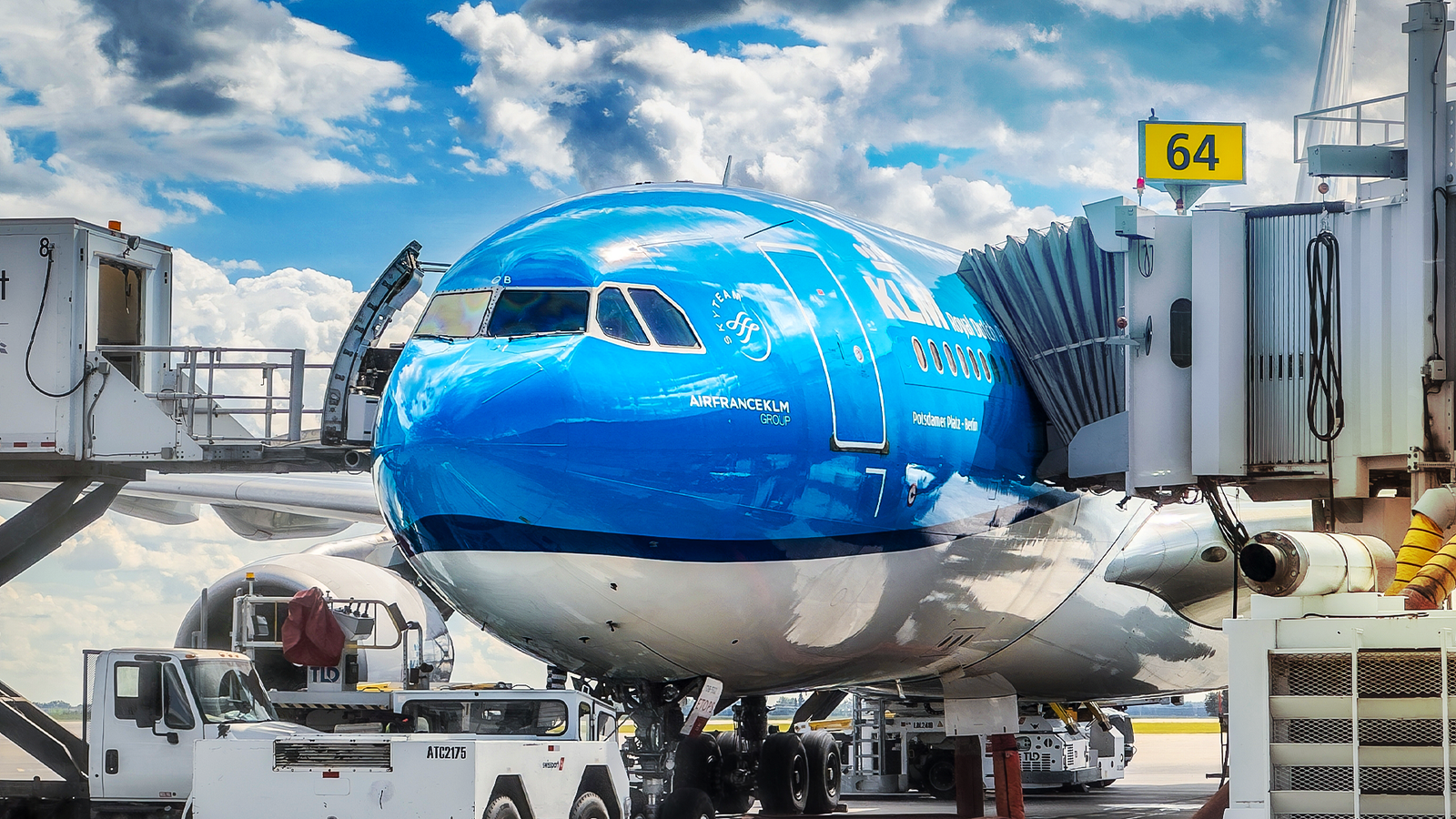
KLM Is Canceling Its Own Flights Until Early March So Maintenance Delays Don't Happen At The Gate
Full Article
Original Source
Read the full article at Simpleflying →KhanList aggregates and links to publicly available news content. We do not host full articles from third-party sources. Always verify important information with original sources.