
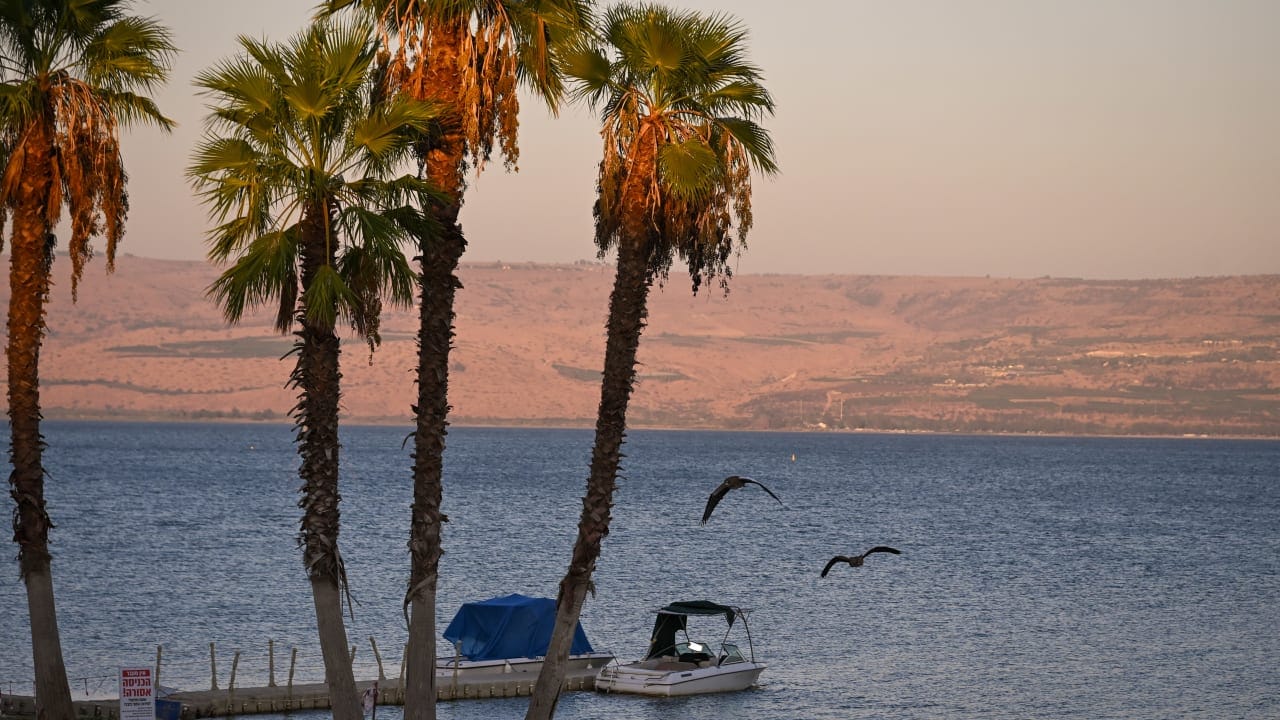
Jerusalem Post/Environment & Climate ChangeWith desalination plants sidelined, the Sea of Galilee was once again forced to supply the national water network.Follow us on GoogleFollowing a warning issued by the Health Ministry regarding the water quality in the Sea of Galilee, an empty beach is seen at Hukok Beach, northern Israel, September 8, 2026. (photo credit: MICHAEL GILADI/FLASH90)SEPTEMBER 10, 2026 14:44The algal bloom crisis that shut down desalination plants in southern Israel for nearly two weeks has taken a toll on the Kinneret (Sea of Galilee). Within ten days, the lake lost roughly 870 million gallons (3.3 million cubic meters) of water as pumping surged to maintain a steady water supply for domestic and agricultural use across the country.Since the crisis began early this month, water authorities decided to step up pumping from the Sea of Galilee alongside increased extraction from underground aquifers. The move is designed to offset the drop in supply caused by the offline desalination facilities.Over the last ten days, the water level of the Sea of Galilee dropped by 4 inches (10 centimeters) - from 699.8 feet (213.40 meters) below sea level to 700.1 feet (213.50 meters) below sea level. This marks the lowest water level recorded on September 9 since 2018.By comparison, eight years ago on the exact same date, the lake stood roughly 34 inches (87 centimeters) lower than it does today. That means despite the current drop, the Sea of Galilee's overall condition remains significantly better than it was during the same period in 2018.However, increased pumping isn't the only factor driving the decline. At this time of year, natural evaporation causes the lake level to drop by about a third of an inch (1 centimeter) per day. Pumping required by the algal crisis accounts for an additional 0.8 inches (2 centimeters) of loss since the start of the month.Kinneret steps back into its former roleDrawing water from the Sea of Galilee for Israel's national supply was once standard practice, but since the rollout of the nation's major desalination plants, relying on the lake for drinking water had virtually stopped.In recent years, the strategy had even reversed: rather than extracting water from the Sea of Galilee, Israel launched the "Reverse National Water Carrier" project to channel desalinated water back into the lake to reinforce the national reservoir. That system became operational in the past year, with desalinated water actively routed into the lake via the Tzalmon Stream.With desalination plants sidelined, the Sea of Galilee was once again forced to supply the national water network.All plants have resumed operation this week for the first time since outages began in August. However, only the Hadera facility is operating at full capacity. According to YNet, the remaining plants (there are six in total) are running at around 50% capacity.Once the desalination facilities return to full capacity, pumping from the lake is expected to taper off, allowing the Sea of Galilee to gradually return to its modern role - a strategic reservoir that receives desalinated water rather than a primary source of drinking water.Jerusalem Post Staff contributed to this report.The Environment and Climate Change portal is produced in cooperation with the Goldman Sonnenfeldt School of Sustainability and Climate Change at Ben-Gurion University of the Negev. The Jerusalem Post maintains all editorial decisions related to the content.Follow us on Google
Kinneret takes hit as water level drops amidst Israel's desalination plant shutdowns
Full Article
Original Source
Read the full article at Jpost →KhanList aggregates and links to publicly available news content. We do not host full articles from third-party sources. Always verify important information with original sources.