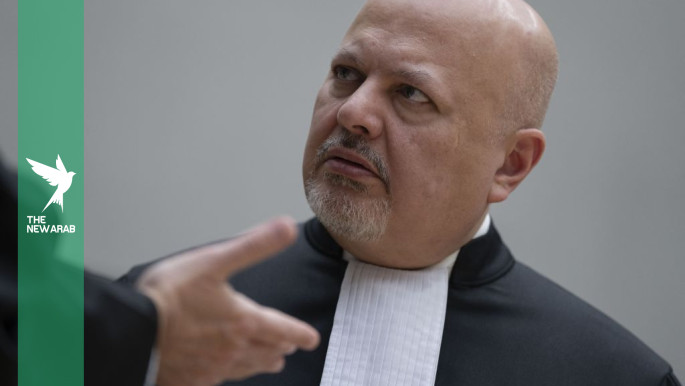
ICC members vote to dismiss prosecutor Karim Khan amid misconduct allegations and fallout from Israel case The historic ICC vote over sexual misconduct allegations came as the court faces pressure from the US and Israel over its case against Benjamin Netanyahu 24 July, 2026 Last Update24 July, 2026 20:19 PM ICC Chief Prosecutor Karim Khan faces sexual misconduct allegations [GETTY] International Criminal Court member states voted on Friday to dismiss prosecutor Karim Khan, diplomatic sources have said, following disputed allegations that he sexually assaulted a female member of his staff. Khan, 56, was suspended last month by a key governing body of the ICC before the secret ballot in which more than 80 of 125 members voted to remove him, a motion that required an absolute majority. The International Criminal Court’s chief prosecutor faced a historic removal vote in a case that has become one of the court’s most serious internal crises in years. The allegations against Khan centre on claims by a junior female staff member that he engaged in sexual misconduct and a relationship marked by coercion and abuse of power. He has denied wrongdoing, and his lawyers say the accusations are unsupported and procedurally mishandled. Khan’s position has already been severely weakened by months of disciplinary proceedings. He has been on leave since the allegations surfaced publicly, and in June the ICC’s governing body moved to suspend him after an internal process found grounds to advance the matter to member states. The vote required an absolute majority of at least 63 of the ICC’s 125 member states to remove him. That threshold makes the outcome uncertain, but the fact that the tribunal has even reached this point is in itself unprecedented. Khan, a British barrister and King’s Counsel, became ICC prosecutor in 2021 after more than three decades in international criminal law and human rights work. Before taking the top ICC job, he served in senior prosecutorial roles, worked on major international tribunal cases, and built a reputation as a tough, high-profile courtroom lawyer. He rose to wider prominence through a number of high-level investigations, including the ICC’s work on Ukraine and, more recently, Gaza. In 2024, he sought arrest warrants for Israeli Prime Minister Benjamin Netanyahu and former defence minister Yoav Gallant, while also targeting Hamas leaders over the October 7 attacks. The sexual misconduct allegations case has moved through several overlapping internal and external reviews, which has added to the confusion around the evidentiary standard being applied. Reuters reported that one panel of judges found the evidence did not meet the "beyond reasonable doubt" threshold, while later executive-body findings concluded there had been serious misconduct. That split has fuelled criticism from both sides: Khan’s supporters argue he has been denied fair process, while his critics say the evidence and internal findings justified his suspension and today’s vote. Politics around the case The court has not just been dealing with a personal scandal. Khan’s downfall comes as the ICC faces intense external pressure, including sanctions and political attacks that have made the institution more vulnerable to claims that its independence is being tested from outside. On 13 July, US Secretary of State Marco Rubio said in an article on The Wall Street Journal that Washington was "Using all the tools at our government’s disposal, working beside every ally with whom we can make common cause, [to] dismantle the ICC – brick by brick, if necessary". The comment comes after US President Donald Trump signed an executive order in February 2025, re-instating and expanding a sanctions campaign against ICC officials first introduced during his first term in office. Khan’s pursuit of arrest warrants for Netanyahu and other Israeli officials over their genocidal war on Gaza also triggered fierce pushback from Israel and its allies, and his critics have increasingly tied the misconduct case to the broader battle over the ICC’s reach. That has led Khan’s defenders to argue the process has been politicised: in their view, the allegations and disciplinary push cannot be separated from anger over his Gaza case and the embarrassment caused by the ICC’s moves against Israeli leaders. At the same time, Khan’s accuser has rejected the idea that her allegations are a proxy for the Israel case. Speaking in an interview to CNN’s Christiane Amanpour on 16 July, she maintained that the complaint was about conduct inside the court rather than geopolitics. Related Articles
Karim Khan faces historic ICC vote amid misconduct allegations
Full Article
Original Source
Read the full article at Newarab →KhanList aggregates and links to publicly available news content. We do not host full articles from third-party sources. Always verify important information with original sources.