
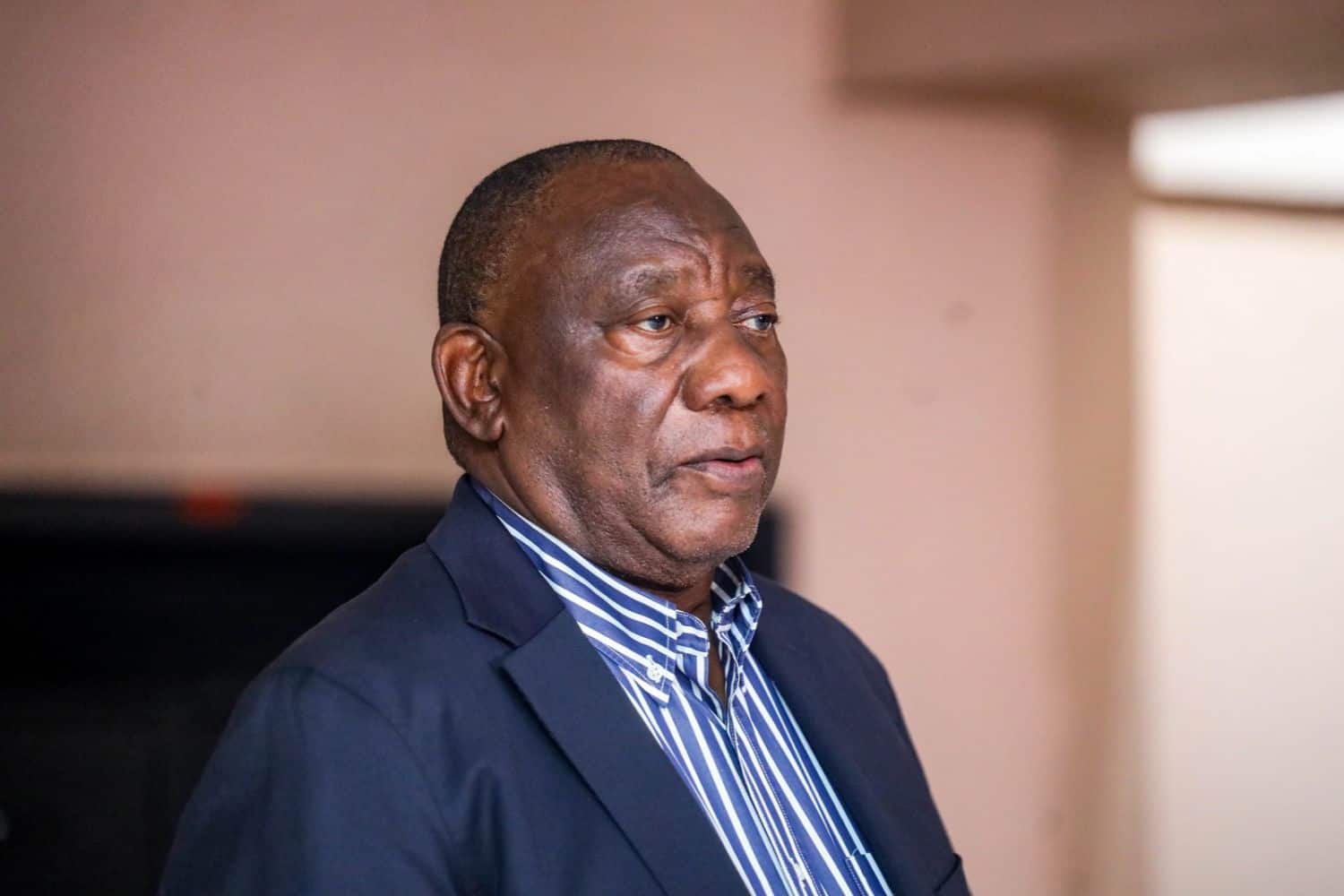
The high court set aside the Section 89 independent panel report in its entirety after finding that it was flawed. President Cyril Ramaphosa has scored a significant legal victory in the long-running Phala Phala saga after the Western Cape High Court overturned the Section 89 independent panel report that paved the way for Parliament’s impeachment proceedings against him. In a judgment handed down in Cape Town on Wednesday, 25 November 2026, Judge President Nolwazi Penelope Mabindla-Boqwana ruled that the report was fundamentally flawed and ordered that it be set aside in its entirety. The ruling follows Ramaphosa’s legal challenge to the findings of the independent panel, which investigated the circumstances surrounding the theft of approximately $580 000 (about R9.6 million) from his Phala Phala game farm in Limpopo in February 2020. Ramaphosa challenges Phala Phala report The president approached the High Court after Parliament established an impeachment committee in response to a Constitutional Court (ConCourt) ruling issued in May this year. Ramaphosa sought to have the Section 89 report reviewed and set aside, arguing against the basis on which the impeachment process was being pursued. His legal challenge came after he successfully obtained an interdict in late July preventing the impeachment committee from proceeding with public hearings until the court had determined the matter. The case was heard over three days in September, with Mabindla-Boqwana announcing on Wednesday that she and two other judges had reached a single judgment. ConCourt had not validated the panel report One of the key issues addressed in the judgment was the interpretation of the earlier ConCourt ruling. Mabindla-Boqwana clarified that the apex court had considered the constitutionality of Parliament’s December 2022 vote on the Section 89 report, rather than whether the independent panel had correctly interpreted its mandate. “Accordingly, the Constitutional Court made no binding determination on the validity of the report,” Mabindla-Boqwana said. The High Court also considered whether Ramaphosa had taken too long to bring his review application. It found that the timing was linked to the ConCourt proceedings and that the delay was therefore not unreasonable. Sufficient evidence A central finding in the judgment concerned the distinction between information and evidence, with the court determining that the independent panel had to establish whether there was sufficient evidence to justify an impeachment inquiry. Mabindla-Boqwana explained that a misunderstanding of this responsibility would undermine the entire report and potentially expose the president to an impeachment process that had no lawful foundation. The court further recognised the prejudice Ramaphosa could suffer if Parliament proceeded with the inquiry based on an invalid report. Nevertheless, it made clear that any impeachment proceedings must be supported by a lawful basis. The judgment emphasised that the panel was required to establish whether “sufficient evidence, not information” existed to warrant further action. “Not all information is evidence,” Mabindla-Boqwana said. The court ultimately ruled in Ramaphosa’s favour, setting aside the Section 89 independent panel report in its entirety after finding that it was flawed. This is a developing story
JUST IN: Ramaphosa bags win as Phala Phala report set aside
Full Article
Original Source
Read the full article at Citizen →KhanList aggregates and links to publicly available news content. We do not host full articles from third-party sources. Always verify important information with original sources.