
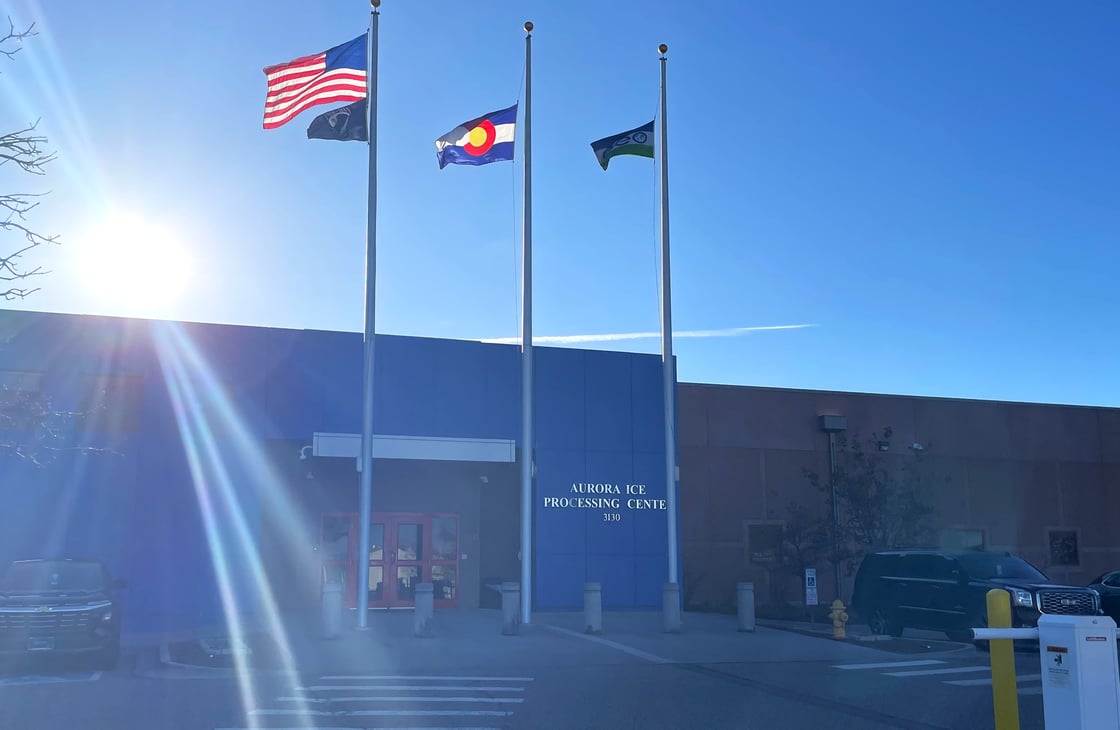
A class of immigrants who were detained from 2004 to 2014 at the Denver Contract Detention Facility say the GEO Group forced them to work for $1 per day or face solitary confinement.DENVER (CN) — Selection for an advisory jury began Monday to aid a federal judge in determining whether the GEO Group violated federal law by requiring detainees at the Denver Contract Detention Facility to work for $1 per day while being held at the facility.The federal contractor for-profit GEO Group runs the facility in Aurora, Colorado, for U.S. Customs and Immigration Enforcement.“GEO’s pay policies violate principles of justice, equity, and good conscience. GEO was unjustly enriched when it paid its employees $1 per day, or nothing at all, for their labor,” Alejandro Menocal says in the complaint he filed against the company more than 10 years ago.Menocal was held at the immigrant detention facility for three months during the summer of 2014, during which he claims he was forced to work for just $1 per day. If he refused, he risked being placed in solitary confinement. With eight other named plaintiffs, Menocal leads a class action against GEO Group claiming the government contractor benefited from unjust enrichment while violating the Trafficking Victims Protection Act’s prohibitions on forced labor.Though Menocal’s case is more than a decade old, living conditions at the nation’s immigrant detention facilities have come under scrutiny as the Trump administration’s strong-arm immigration policy ramped up detentions and deportations.The 1,500-bed detention center in Aurora currently faces litigation from the Colorado Department of Public Health, which sued in pursuit of investigating reports of a June tuberculosis outbreak. The GEO Group sued the Centennial State this year to in attempt to block expanded inspection requirements passed by lawmakers. A GEO employee is also facing criminal charges on suspicion of opening fire on a protester in July.Over the next three weeks, Menocal will attempt to persuade the judge and jury that GEO benefited from detainees’ forced labor.According to Menocal, the detention center used detainees to clean toilets in the medical facility, strip and wax floors, and do laundry. In addition to preparing and serving meals for other detainees, Menocal says detainees also cooked for staff at GEO-sponsored events. In addition, detainees prepared clothing for new arrivals, provided barber services and did clerical work.When the lawsuit was filed in 2014, GEO made $1.52 billion in revenue. The company now regularly tops $2 billion in revenue each year. Menocal estimates at least 300 immigrant detainees are owed more than $5 million in wage violations.In its defense, GEO claims it was simply following orders from U.S. Immigration and Customs Enforcement and Congress, which directed contractors to implement a voluntary work program and pay wages of no “less than $1 per day.”GEO warned holding the company liable would result in the elimination of a program that benefits detainees.“Imposing liability for compliance with those requirements would not punish GEO for misconduct; it would punish GEO for adhering to the very standards that govern its facility and that are necessary to ensure the safety and security of residents and staff and the cleanliness and sanitation of the facility itself,” GEO argued in its pretrial brief.The company claims it simply asked detainees to clean up after themselves and that segregation is “discipline necessary to ensure safety and order in any secure detention facility.”GEO also claims it is shielded by qualified immunity because it ran the work program while performing a government function — an argument previously rejected by both Senior U.S. District Judge John Kane and the 10th Circuit.The case has been up to the 10th Circuit several times, with the appellate court affirming the detainee’s ability to bring a class action and rejecting GEO’s bid for qualified immunity. The U.S. Supreme Court declined to review the case in February.Even though GEO filed a new appeal on Oct. 23, the Jimmy Carter-appointed trial judge declined to call off the trial.Categories / UncategorizedSubscribe to our free newslettersOur weekly newsletter Closing Arguments offers the latest about ongoing trials, major litigation and rulings in courthouses around the U.S. and the world, while the monthly Under the Lights dishes the legal dirt from Hollywood, sports, Big Tech and the arts.Additional Reads
Jury selection begins in detainees’ forced labor trial against ICE contractor
Full Article
Original Source
Read the full article at Courthousenews →KhanList aggregates and links to publicly available news content. We do not host full articles from third-party sources. Always verify important information with original sources.