
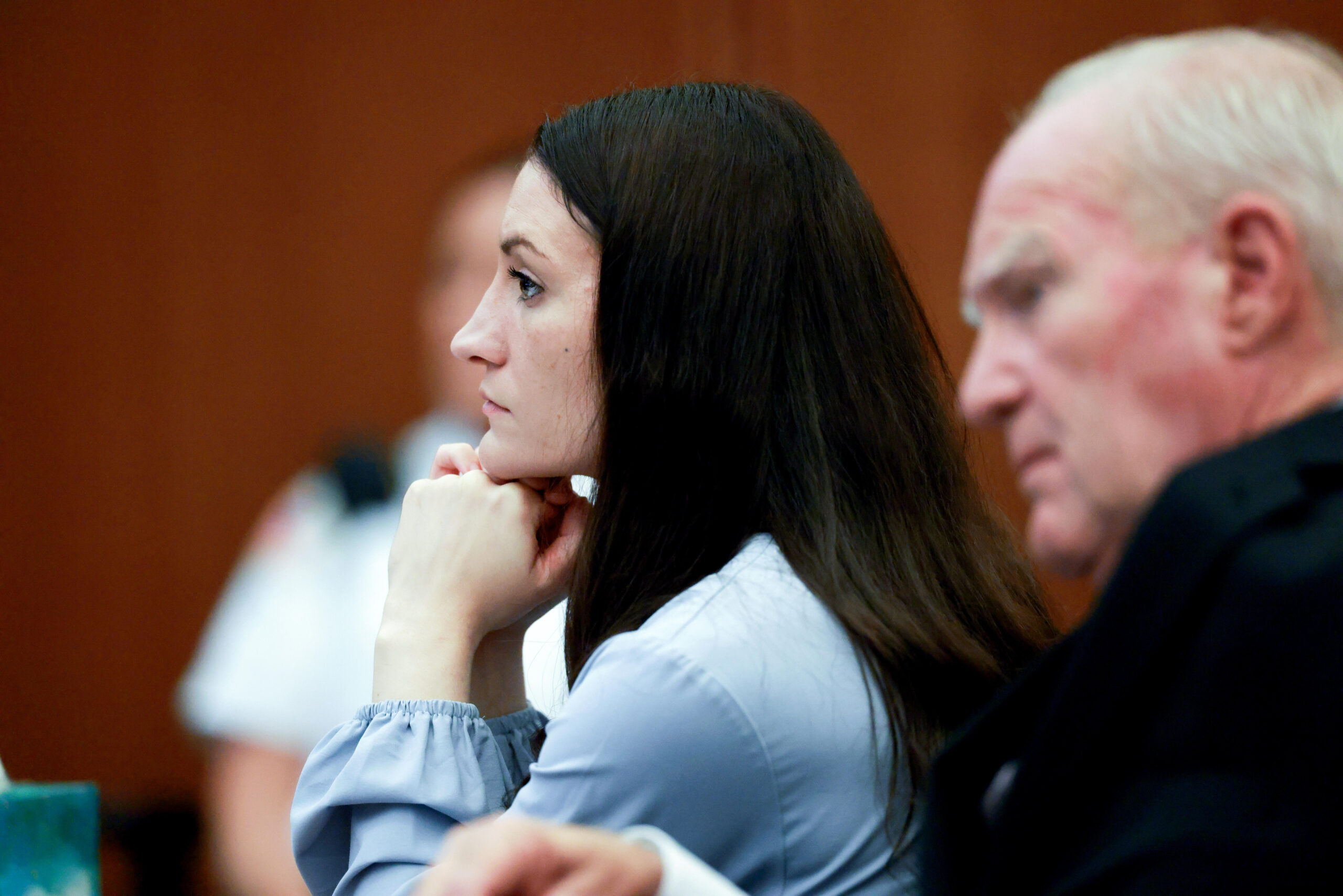
A wrongful death lawsuit against the psychiatrist and nurse practitioner who treated Lindsay Clancy before she killed her three children may proceed, a Massachusetts trial judge has ruled. The civil suit was brought in January by Patrick Clancy, the children’s father and Lindsay’s former husband. In the complaint, Patrick maintains that the medical providers were negligent in their treatment of Lindsay and failed to address the “radical erosion of her mental health” that resulted in the killings. If they had provided adequate care, “it is more likely than not that the children would still be alive today,” the complaint says. The medical providers sought to have the suit dismissed. They maintain – and testified at her murder trial –that Lindsay did not tell them that she thought about harming her children and they did not foresee that happening. However, Norfolk County Superior Court Judge Michael P. Doolin on November 19 ruled that the case may continue because the allegations in Patrick’s complaint are sufficient to “plausibly allege that Lindsay communicated to them an explicit threat to kill or inflict serious bodily injury” on her children Cora, Dawson, and Callan. The defendants in the suit are Jennifer A. Tufts, M.D., Rebecca H. Jollotta, C.N.P., Astèr Mental Health Inc., and South Shore Health System, Inc. Lindsay has admitted that she strangled her children on January 24, 2023 in the basement of her Duxbury home but has claimed she should not be held criminally liable because she was suffering from postpartum psychosis, a mental illness that can afflict mothers after childbirth. After strangling her three children, Lindsay cut her wrists and neck and jumped out of a second-floor window in her home, falling 20 feet to the ground. She suffered spinal cord injuries and is now paralyzed below the sternum. According to medical records, Lindsay acted when she “started hearing a compelling and unrecognizable singular male voice that told her ‘this is your last chance’ and that she had to ‘take them with her.'” She also reported that “the voice indicated to her that she should die, that this is her last chance, and that her children would suffer if she was gone.” Lindsay faced first degree murder charges in a trial this summer. That trial ended in a mistrial after jurors were unable to reach a unanimous verdict on whether she was criminally responsible for the killings. Eleven jurors favored acquittal on the grounds of insanity, while one disagreed. A second criminal trial has been scheduled for next March. In denying the bid for dismissal, Judge Doolin found that Patrick has “information and a good faith basis in fact to believe that during her treatment, Lindsay informed the nurse and the psychiatrist that she was both suicidal and homicidal as to her children.” The defendants argued that the allegations are “too speculative” but the judge noted that under Massachusetts law, “for purposes of surviving a motion to dismiss, a party may allege facts based on “information and belief” and the court must “assume the truth of such allegations.” The defendants also argued that Patrick’s claims should fail because Lindsay’s criminal acts were not reasonably foreseeable to them. A negligence claim requires that the plaintiff establish his or her injury “was a foreseeable result of the defendant’s negligent conduct.” The judge found that it is irrelevant whether the defendants foresaw or should have foreseen the specific danger that occurred, rather it is sufficient that the “same general kind of harm” was a foreseeable consequence of the defendants’ risk-creating conduct. The complaint alleges that Lindsay sought psychiatric help to address her worsening anxiety and that her psychiatrist prescribed her medications but failed to monitor her reactions or address her worsening symptoms. It further alleges that Lindsay communicated to both providers the “negative impact the prescribed medication was having on her mental health and her increasing intrusive thoughts about harming herself and her children.” Patrick is asking for damages, including punitive damages for the wrongful deaths of the children, their conscious pain and suffering, and all other damages permitted by law. Photo: Lindsay Clancy, and her attorney Kevin Reddington, listen to testimony from Rebecca Jollotta, during Clancy’s murder trial in Plymouth Mass., on Tuesday Aug. 11, 2026 in Plymouth, Mass. (Jonathan Wiggs/The Boston Globe via AP, Pool) Topics Lawsuits Legislation
Judge Allows Civil Suit Against Lindsay Clancy’s Mental Health Team to Continue
Full Article
Original Source
Read the full article at Insurancejournal →KhanList aggregates and links to publicly available news content. We do not host full articles from third-party sources. Always verify important information with original sources.