
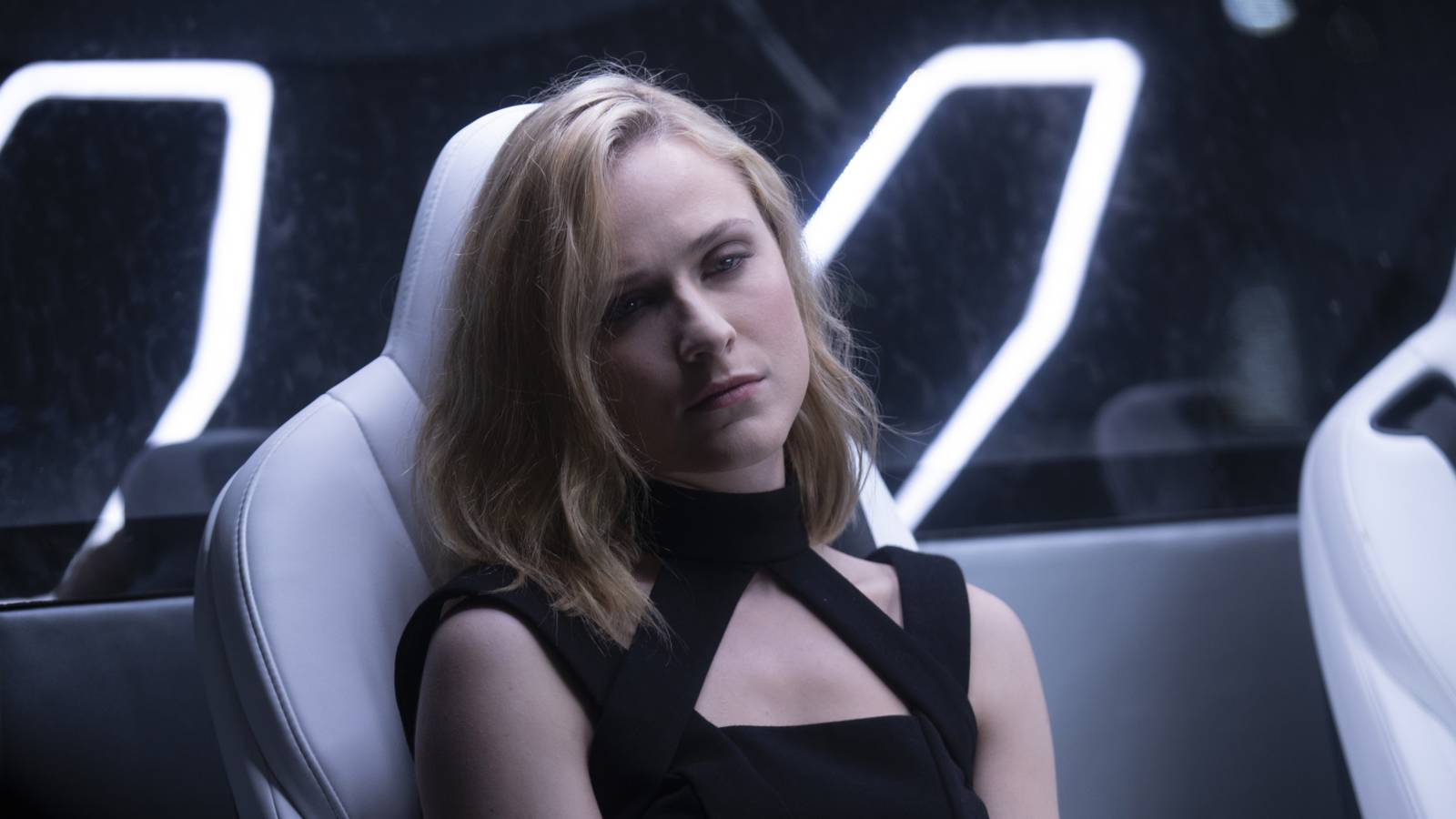
Image via MovieStillsDB Published Nov 25, 2026, 11:00 PM EST Tom is a Senior Staff Writer at Screen Rant, with expertise covering everything from hilarious sitcoms to jaw-dropping sci-fi epics. Initially he was an Updates writer, though before long he found his way to the TV team. He now spends his days keeping Screen Rant readers informed about the best shows available to stream, whether it's recommending hidden gems that may have been missed or deep diving into ways your favorite shows have (or haven't) stood the test of time. Tom is based in the UK and when he's not writing about TV shows, he's watching them. He's also an avid horror fiction writer, gamer, and has a Dungeons and Dragons habit that he tries (and fails) to keep in check. Sign in to your ScreenRant account Jonathan Nolan has enjoyed a hugely successful career, helping shape some of modern sci-fi’s most ambitious films and TV shows. However, among his many achievements sits a particularly frustrating misfire: HBO’s Westworld. Its spectacular opening season set up a show that felt capable of redefining science-fiction on the small screen, pairing blockbuster production values with deep thematic questions about the very nature of consciousness. Unfortunately, by the time Westworld finished, it had become synonymous with the idea of TV series that start strong but quickly fell off. Westworld’s journey from being touted as the next great pop-culture obsession to a series many viewers would rather forget is now infamous. Fortunately, Jonathan Nolan’s filmography contains another show that tackles similar ideas while becoming more, not less, rewarding as it goes on. The specifics of Nolan's Person of Interest may not feel much like Westworld, but beneath the differences explores many of the same ideas about artificial intelligence, human freedom, and the responsibilities of creation. Airing from 2011 to 2016 on CBS, Person of Interest is Jonathan Nolan's 103-episode saga of former CIA operative John Reese (Jim Caviezel), billionaire Harold Finch (Michael Emerson), and the advanced surveillance system, the Machine, that they use to identify people connected to imminent violent crimes. From this premise, Person of Interest gradually expands from a crime procedural with a technological twist into a gripping and deep exploration of humanity’s relationship with increasingly powerful technology. For Westworld fans still wishing that the HBO show's extraordinary beginning had delivered lasting greatness, Person of Interest is the answer. Person Of Interest Covered Similar Themes To Westworld, But More Effectively While a crime procedural about anticipating crimes before they happen and a drama about a wild west theme park full of synthetic beings are wildly different, Jonathan Nolan’s Person of Interest and Westworld share a fascination with how humanity treats the intelligent beings it feels inevitable that it will one day create. Both series question whether artificial consciousness deserves compassion and whether its creators have any right to control it. Person of Interest explores these concerns through Finch’s relationship with the Machine. His efforts to give it moral boundaries become an ongoing examination of the difference between teaching something to care and demanding its obedience. The procedural format of Person of Interest means the series doesn’t have to waste time diving into these ideas. Every episode can explore the same concept from a new angle with a self-contained story. Each person the team tries to save reinforces the importance of an individual life, making the Machine’s developing understanding of humanity feel earned. When the story eventually expands into competing visions of an AI-controlled future and a more serialized long-form narrative, viewers understand the risks of an advanced AI system that sees human beings as data. They also have a firm grasp of whose responsibility it is to ensure this doesn’t happen. That gives Person of Interest a firmer emotional foundation than Westworld managed to create. Its arguments about the relationship between security and freedom in a world where technology is advancing at an exponential speed emerge through decisions made by characters that viewers have been on dozens of episodic adventures with. The show’s escalation from its crime-procedural roots in later seasons feels like the premise reaching its full potential rather than being forced. By the time Person of Interest starts asking viewers to think bigger, they’re more than ready. It’s a stark contrast to Westworld, whose story was so complex that understanding it left little room to try and digest its core philosophical message. The HBO series lost itself within an overly convoluted mystery box. It had some great and intriguing ideas, but few were willing to stick around to discover them. Person of Interest certainly has its mysteries, but its central themes remain clear even as its sci-fi became more ambitious. For viewers disappointed by Westworld’s trajectory, that combination of intellectual ambition and emotional clarity makes it an exceptionally satisfying alternative. If Every Westworld Season Was As Good As The First, It Would've Been The Better Show Having Person of Interest available to satisfy the appetite for thoughtful AI-focused storytelling that Westworld should have done is welcome, but the comparison is bittersweet. There are very few out there who would say Westworld is a great show from start to finish, but it easily could have been if it lived up to its incredible first seasons throughout its run. The HBO show created enormous expectations for itself when it first arrived. Its luxurious cinematography, disturbing premise, and extraordinary cast performances made it feel it was poised to be a hit on the scale of the likes of Lost or Game of Thrones. Westworld’s premise alone drew immediate attention. The idea of a playground populated by sentient but unaware AI that wealthy guests could indulge their worst impulses against was a strong hook, and one that had obvious potential for something bigger. The first season did a great job of taking this foundation and creating a story and characters viewers cared about. The anticipation of discovering how its elements connected and where the wider narrative would take the premise felt like it offered more than the satisfaction of solving a mystery. The park itself was also key to why season 1 of Westworld was so good. It gave viewers a tangible and unique setting within which to explore the show’s ideas. Scripted conversations, repeated routines, and the contrast between the western landscape and clinical backstage facilities made the questions about free will feel worth answering. The show barely needed to explain why the arrangement was horrifying and why finding a new status quo mattered on an emotional level. The initial worldbuilding did all the work without requiring heavy-handed exposition. Despite the complexity of its ideas, Westworld’s early chapters had a clear sense of purpose. Had Westworld sustained that balance and momentum after season 1, it would probably rank among the greatest science fiction shows ever made. At its peak, its cinematic scale and emotional force offered a jaw-dropping experience that inarguably outshined Person of Interest’s comparatively modest beginnings. Westworld’s decline isn’t just disappointing, it’s actually frustrating when thinking about how good it could have been. Release Date 2011 - 2016-00-00 Network CBS Showrunner Greg Plageman Directors Chris Fisher, Richard J. Lewis, Fred Toye, Jeffrey G. Hunt, Stephen Surjik, Kenneth Fink, Stephen Williams, Helen Shaver, Alrick Riley, Charles Beeson, Kate Woods, Kevin Bray, Stephen Semel, Jeff T. Thomas, Sylvain White, Alex Zakrzewski, Brad Anderson, Clark Johnson, Colin Bucksey, David Semel, Dennis Smith, Félix Enríquez Alcalá, James Whitmore Jr., Jeffrey Lee Gibson Writers Jonathan Nolan, Denise Thé, Greg Plageman, Amanda Segel, David Slack, Melissa Scrivner-Love, Dan Dietz, Sean Hennen, Lucas O'Connor, Patrick Harbinson, Michael Sopczynski, Nic Van Zeebroeck, Tony Camerino, Andy Callahan, Ray Utarnachitt, Sabir Pirzada, Ashley Gable, Amy Berg, Jacey Heldrich Creator(s) Jonathan Nolan
Jonathan Nolan's 103-Episode Sci-Fi Series Is Westworld But Better
Full Article
Original Source
Read the full article at Screenrant →KhanList aggregates and links to publicly available news content. We do not host full articles from third-party sources. Always verify important information with original sources.