
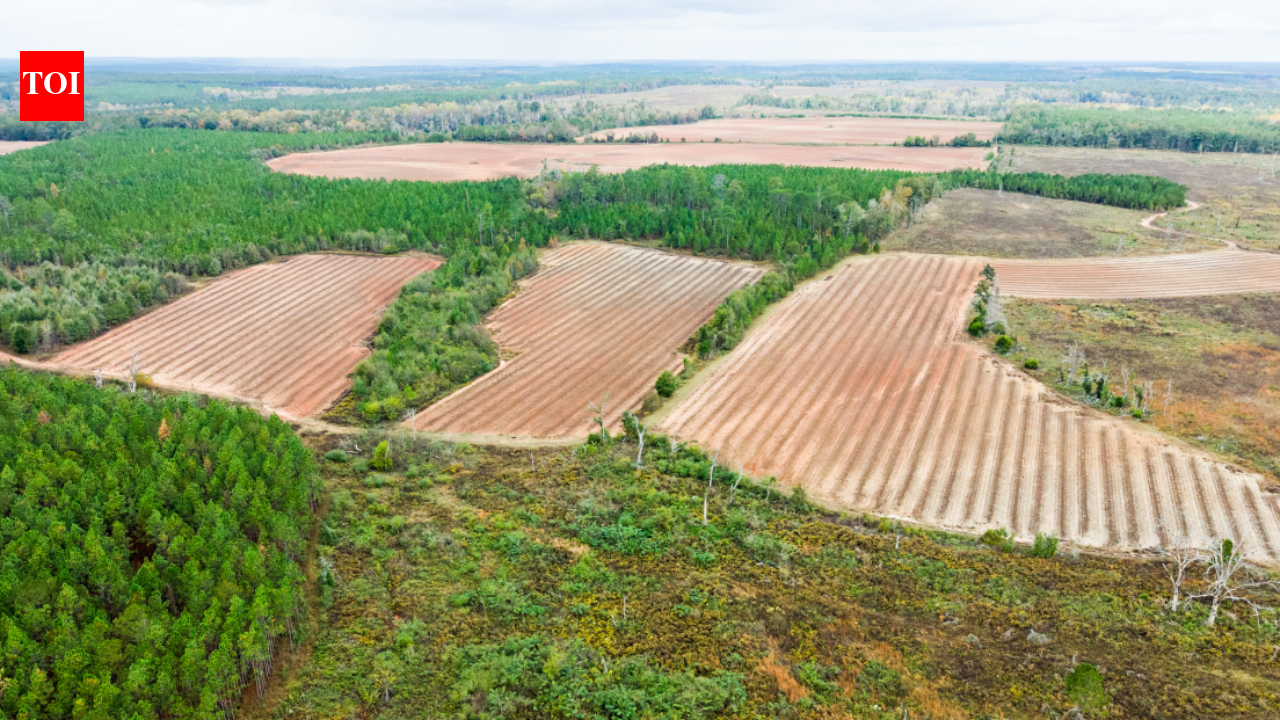
The fields and forests where former US President Jimmy Carter spent his childhood, worked alongside his father and later escaped the pressures of public life are set to become part of a much larger conservation landscape. The Conservation Fund announced on November 9 that it had acquired the Carter family farm, spanning approximately 2,458 acres near Plains, Georgia, with plans to protect it as wildlife habitat and eventually open it to the public. According to the organisation's announcement, the acquisition will expand the state's Lanahassee Creek Wildlife Management Area to nearly 7,000 acres.The property, which remained closely connected to Carter throughout his life, was acquired for $8.5 million, The Washington Post reported. The Conservation Fund plans to transfer the land to Georgia's Department of Natural Resources in 2028, when it will become part of the neighbouring wildlife management area. However, visitors could gain access earlier, with hunting, fishing, birdwatching and other outdoor activities expected to be possible from as early as 2027.A family farm that shaped Carter's connection with natureThe land holds a special place in the Carter family's history. It was among the first properties the family acquired after moving to Plains in the early 1900s. Carter's father, James Earl Carter Sr, cultivated peanuts, corn and sugarcane there, and the future president spent much of his childhood working in the fields and exploring the surrounding woods and creeks. Carter returned to the property in 1953 after leaving the US Navy and taking over the family business following his father's death. Even after entering politics and eventually becoming the country's 39th president, he continued to visit the farm, finding time to walk through the woods, hunt turkeys and fish in its pond.His wife, Rosalynn Carter, and their children also shared a connection with the landscape. The former president and his wife often visited the property to walk and spend time outdoors, treating it as a place to escape the demands of public life.Carter's daughter, Amy Carter, recalled that her father continued returning to the farm until he was physically unable to walk around it. In his later years, he sometimes arranged for someone to drive him through the property. She told the newspaper that the Secret Service would often remain out of sight during his visits so he could experience a sense of solitude.The family has welcomed the conservation group's acquisition. Carter's grandson, Jason Carter, described the property as more than a farm, calling it home and a place his grandparents treasured. He said the family was grateful that the land would be protected for future generations.The property matters for wildlifeThe acquisition is expected to strengthen conservation efforts in a region known for its longleaf pine ecosystems and diverse wildlife. Much of the Carter property is wooded, although it also contains historic farmland and open fields. Its creeks feed into the Flint River watershed, adding to the ecological importance of the landscape. One of the most significant features is its longleaf pine habitat. These forests once covered large parts of the southeastern United States but have declined substantially because of development, logging and changes in land use.According to The Conservation Fund, Carter had requested that the property be restored to its native condition. At his request, the family retained a stand of mature longleaf pines, and one of his final land-management decisions involved replanting much of the property with young longleaf pine trees. The restored habitat also makes the land a natural extension of the nearby Lanahassee Creek Wildlife Management Area. The Conservation Fund helped Georgia establish the existing wildlife area in 2019, with a focus on protecting longleaf pine habitat and threatened gopher tortoises.The gopher tortoise is considered a keystone species because its underground burrows provide shelter to numerous other animals. Protecting its habitat can therefore benefit a wider range of wildlife. The Conservation Fund said the newly acquired property is important habitat for the threatened tortoise, while creeks adjacent to the land support rare freshwater mussels. The wider landscape also supports birds and other wildlife, making the proposed expansion significant for both habitat protection and outdoor recreation.Public access planned before transfer to the stateThe Conservation Fund's plan involves opening the property to visitors even before the formal transfer to Georgia's Department of Natural Resources. The organisation expects public access for hunting, fishing and other outdoor activities as early as 2027. WABE reported that an interim lease is being planned to allow the wildlife management area to open the additional acreage by around mid-2027.The transfer to state ownership is expected to follow in 2028, after which the property will become part of the Lanahassee Creek Wildlife Management Area. The combined protected landscape will cover nearly 7,000 acres, creating a larger space for wildlife and public recreation.The acquisition is also distinct from the nearby Jimmy Carter National Historical Park, which is managed by the National Park Service and includes the house where Carter spent his childhood. The newly acquired property is the broader working farmland where he grew up, worked and returned throughout his life.A conservation legacy beyond the White HouseCarter's connection with the Georgia landscape was reflected in his environmental record as governor and president. In December 1980, he signed the Alaska National Interest Lands Conservation Act, protecting more than 104 million acres and marking the largest expansion of protected public lands in US history. He also established 39 units of the National Park System, including the Martin Luther King Jr National Historic Site and the Chattahoochee River National Recreation Area in Atlanta. His environmental initiatives included supporting the protection of wilderness areas and installing solar panels on the White House roof.Carter died in December 2024 at the age of 100. The preservation of the family farm now offers a way to connect that national conservation record with the landscape where his relationship with nature began.
Jimmy Carter's Georgia family farm joins nearly 2,500-acre conservation effort
Full Article
Original Source
Read the full article at Timesofindia →KhanList aggregates and links to publicly available news content. We do not host full articles from third-party sources. Always verify important information with original sources.