
Jeremy Hunt has admitted he should have pursued more ambitious welfare reforms as chancellor, warning that the rising benefits bill will force Labour to raise taxes or cut public services. In an exclusive interview with The i Paper, Hunt said he regretted not taking radical action to cut welfare spending during his time in office, arguing that people claiming benefits for anxiety and depression should instead be offered treatment through the NHS. Hunt suggested the Chancellor, John Healey, should shift support for people with less severe anxiety and depression away from long-term benefit payments and towards NHS treatment designed to help them return to work. The MP for Godalming and Ash said: “Healey should remove anxiety and depression as a reason to claim benefits and offer people treatment instead. It would be better for the individuals and a fraction of the cost.” He argued the savings could help boost economic growth and ease pressure on the public finances. Remaining out of work can worsen mental health by reducing social contact, the former chancellor said, adding that treatment would cost the taxpayer less than supporting people on benefits. But he has not specified what treatment would be offered, how quickly people would be able to access it or whether benefits would be withdrawn before treatment was available. Hunt also said that returning working-age welfare spending to its 2019 level could save £58bn a year. Other think-tanks have given similar figures. For example, the Centre for Social Justice has said the working-age welfare bill has increased by £50bn in real terms since 2019.Cutting benefits by this amount would be a major decrease for a government to deliver, though it would open up the space for spending increases or tax cuts elsewhere. For context, council tax in England raises about £50bn a year in its entirety. Reform UK has proposed making £50bn of benefits cuts itself, but said this would involve scrapping personal independence payments (PIP) and parts of universal credit, and replacing them with an alternative system. Labour previously described the plan as “fantasy economics.” Hunt reformed universal credit in his time as chancellor, requiring claimants who worked under a certain number of hours to regularly meet with a work coach. He also announced plans to scrap the controversial work capability assessment (WCA) used to make disabled people prove they cannot work – this is set to happen in 2028. His comments come as Healey prepares to deliver a Budget under mounting pressure to find billions of pounds to fund public services, support the economy and manage the Government’s competing spending commitments. The Institute for Fiscal Studies (IFS) has warned of a £35bn shortfall facing the Chancellor. Without reductions in spending or additional revenue, the Government could be forced to raise taxes on households and businesses already struggling with the cost of living. Helen Miller, the IFS director, said that if the Prime Minister, Andy Burnham, wanted to avoid cuts to public services and benefits over the next five years, he would have to raise taxes. She said: “If you are looking at tens of billions of increases in spending, you should be thinking tens of billions of increases in taxes.” Hunt faced criticism after Labour claimed the Conservatives left a £22bn black hole in the public finances when they left office. ‘I did the firefighting’ Hunt left the role when Labour was voted in back in July 2024 (Photo: Mark Kerrison/In Pictures via Getty) Hunt served as chancellor from October 2022 until Labour’s election victory in July 2024, taking over from Kwasi Kwarteng in the aftermath of the mini-Budget crisis. The unfunded tax cuts announced under Liz Truss triggered turmoil in financial markets. Hunt said: “I did the firefighting to get us through a recession and get inflation back down to 2 per cent. If I had longer, I would have wanted to do more growth reforms, particularly to bring down energy prices.” Hunt argued that reforms can take years to translate into measurable economic gains, meaning Healey must act quickly if he wants to see results during his time in office. He said: “Economic reforms take five years before showing in the numbers, so they better get cracking.” With the Budget approaching, Hunt argued that economic growth should be the Government’s overriding priority, calling for major reforms to boost productivity and investment, such as cutting planning delays and reducing barriers to infrastructure projects, rather than smaller, incremental policy changes. Asked what advice he would give Healey, particularly if the economic outlook deteriorated, he said: “Be bold on growth, it’s the thing that matters most. Doing steady-as-she-goes won’t cut it.” Hunt has previously argued that rising demand for public services cannot be met just by increasing spending, adding that improving productivity is “essential” if the Government is to make public money go further. Hunt rejects £22bn ‘black hole’ claim Hunt pushed back against Labour’s claim that the Conservatives left a £22bn black hole in the public finances when they left office, defending his record and arguing that the resulting fiscal pressures could have been addressed without tax rises. He said: “The Office for Budget Responsibility point-blank refused to confirm the number. “There were £9.5bn of unfunded spending commitments at the time of the election. This is totally normal six months ahead of the Budget and no different to what Reeves herself found ahead of her second Budget. “We would have dealt with them by making efficiency savings rather than growth-destroying tax rises.” The measures under consideration for this fiscal event include a potential increase in the bank surcharge, changes to business rates for larger commercial properties and a possible expansion of the mansion tax to homes worth more than £1.5m. Healey is also expected to announce further help with energy bills as households face the prospect of higher costs this winter. The Chancellor has ruled out increasing the main rates of income tax, VAT and employee National Insurance (NI), narrowing his options for raising revenue. With borrowing costs rising and his fiscal headroom squeezed, he faces pressure to find savings elsewhere, including through welfare reform.
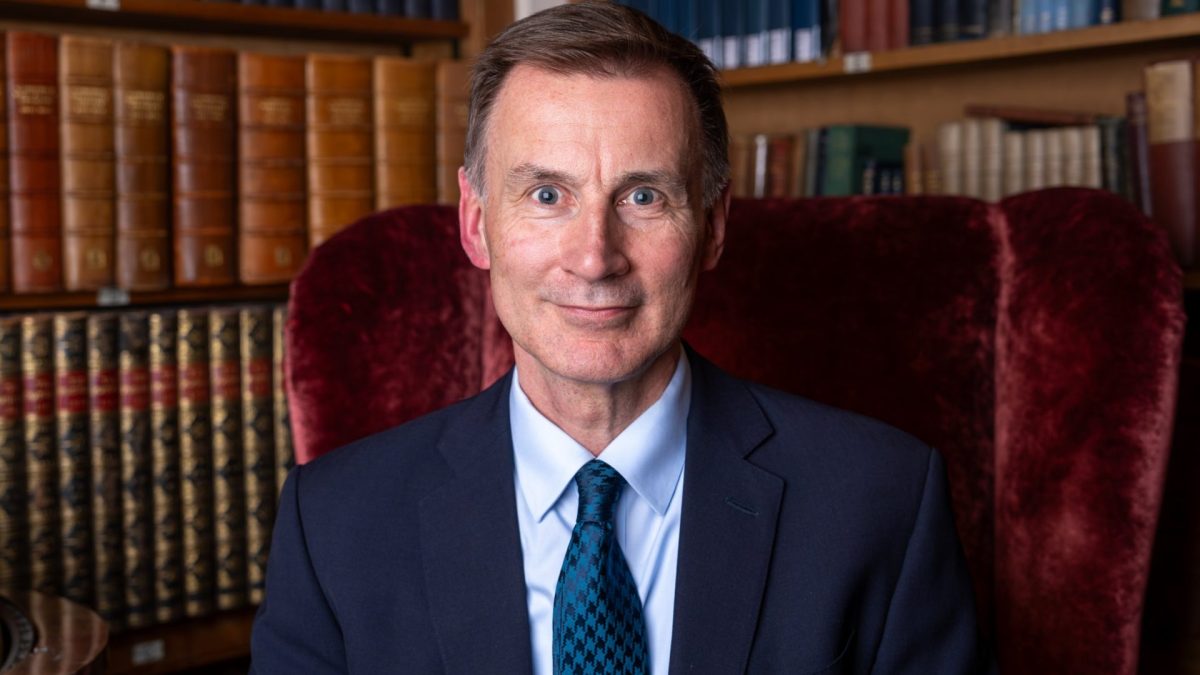
Jeremy Hunt: I regret not making more cuts to welfare when I was chancellor
Full Article
Original Source
Read the full article at Inews →KhanList aggregates and links to publicly available news content. We do not host full articles from third-party sources. Always verify important information with original sources.