
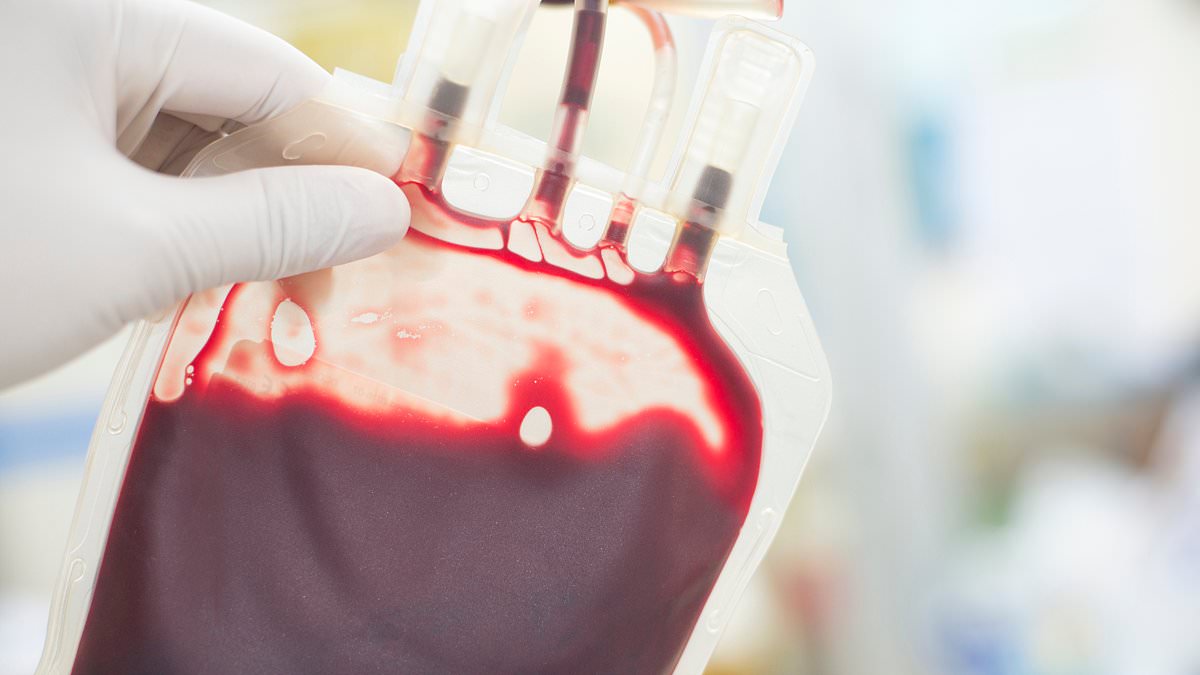
Jehovah’s Witnesses will be permitted to accept treatments taken from another person’s blood in a step hailed as ‘massively significant’ for patient safety.Leaders of the Christian denomination will still not grant their blessing for followers to have 'whole blood’ transfusions as they deem this to be prohibited by the Bible.But they have issued a historic ruling about other blood-derived treatments, including red and white cells, plasma and platelets.Previously, Jehovah’s Witnesses were told they could not accept any kind of treatment derived from another person’s blood, citing Acts 15:20, a biblical passage that tells people to ‘abstain from things polluted by idols, from sexual immorality, from what is strangled, and from blood’.Earlier this year, the governing body for the world’s 9 million Jehovah’s Witnesses, issued a ruling that allowed worshippers to receive treatment using their own blood, giving their blessing for people to have their own blood removed and stored for transfusions.Now, they have issued an update saying ‘the decision to accept red cells, white cells, plasma or platelets from another person’s blood’ will now be deemed ‘a matter of personal conscience’ for individuals.Medical ethics experts said this was a ‘big change in teaching’ which will allow Jehovah’s Witnesses, including the 144,000 worshippers in the UK, to have ‘life-saving interventions’ in cases where many would have previously refused treatment.There have been several high profile cases over the past 15 years where courts have granted doctors permission to override a religious refusal to accept blood, usually in cases where parents have refused to allow their children to receive potentially life-saving treatments. Leaders of the Christian denomination will still not grant their blessing for followers to have 'whole blood’ transfusions as they deem this to be prohibited by the Bible.Dominic Wilkinson, a professor of medical ethics at Oxford University, told The Times: ‘Parents of children have often felt very torn between what they were hearing about the risk to their child and the teaching of their faith.‘And having to choose between those was a massive dilemma for some families and led to court cases on a number of occasions.‘This is very good news. It will significantly reduce the dilemma for both parents and health professionals.’He said there will still be instances where whole blood transfusions will be needed, but the ruling was a ‘massively significant step’ as medics may still be able to use other blood-derived treatments to save lives in cases such as trauma and gynaecological surgery.Professor Wilkinson said the refusal of blood treatments had ‘very real consequences’.The AJWRB, a campaign group that had been calling for change, estimates that there are about 1,200 excess deaths each year linked to the refusal of blood treatments.Worshippers may now also donate their own blood, with leaders ruling: ‘Each Witness must decide whether or not to donate blood for the clearly expressed purpose of providing components or fractions for use by another person.’Paul Gillies, an international spokesman for the denomination, which is based in Warwick in New York state, said: ‘Blood remains sacred to Jehovah’s Witnesses, who continue to regard life and blood as precious gifts from God.‘We recognise that medical decisions involving blood components are a matter of conscience between each Witness and their God, Jehovah.'A statement from the governing body, noting the earlier decision to allow worshippers to be treated with their own blood, said: ‘Since the Bible does not comment on such decisions, they are a matter of individual conscience.‘That same reasoning has now been extended to the four main components of blood.‘Jehovah’s Witnesses love life and want the best available medical care.‘They do not practice faith healing, and they seek out doctors who can provide effective treatment in accord with their wishes, values and beliefs.’
Jehovah's Witnesses ease ban on blood treatments saying transfusions of blood-derived products now a 'matter of personal conscience'
Full Article
Original Source
Read the full article at Dailymail →KhanList aggregates and links to publicly available news content. We do not host full articles from third-party sources. Always verify important information with original sources.