
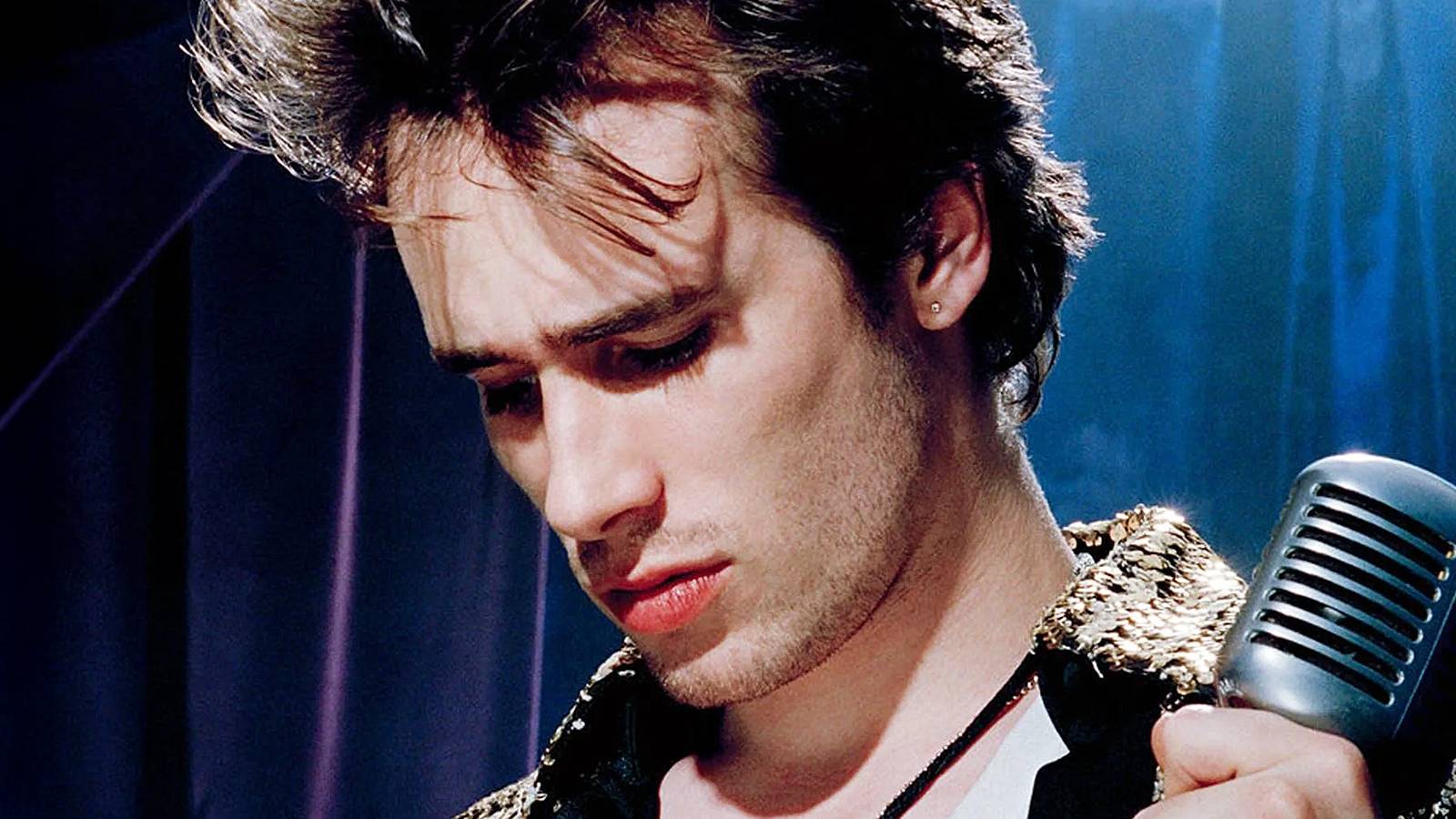
Published Aug 23, 2026, 4:13 PM EDT Val Barone is a journalist working remotely and specializing in music features. A passionate music lover, she keeps up to date on the latest developments in the entertainment world, and in the past five years, she's written for several sites, including ScreenRant, MovieWeb, TheThings, and Far Out Magazine. She covers breaking news in the music world and loves sharing stories about the classic rock musicians she grew up listening to. As a Gen Z writer, she offers a fresh perspective on the events that change music history. Jeff Buckley's life and career were cut short when he tragically passed away in 1997. Sadly, the world didn't get to hear all the music he still had to give, but the one album he did give us left an indelible mark on music history. 32 years ago today, Buckley released Grace, an alternative rock masterpiece that mixed jazz and folk influences in an earnest, emotional piece of work. Between his soulful original compositions and his heartfelt covers of classics and even hymns, Grace showed the world that Jeff Buckley was ready to experiment and try something new. After he died, his work took on a different meaning. A lot of artists who were his contemporaries went back to Grace and rediscovered it. Nowadays, despite his career being so fleeting, his one and only studio album is often cited as one of the most important influences from the '90s. And today, we're honoring it. The Heartbreak and Turmoil That Shaped Jeff Buckley's 'Grace' Releasing Grace was an incredibly emotional process for him. He was the son of singer-songwriter Tim Buckley, but his biological father was not a constant presence in his life. His influence was almost abstract, and after his album took off, he struggled with being compared to this elusive father figure, to the point where he asked journalists not to mention his family during interviews. Grace is a complex body of work, gathering influences from all genres and forms of art. Those were easier for Buckley to share. “The music comes from within and outside. Within is the big mystery of life, we’ve all got it. The outside bits are easier: the Beatles, Led Zeppelin, the Smiths – man, I’d fight for their honor, for the words of Morrissey and the music of Johnny," he said passionately during a rare interview with The Guardian. "Edith Piaf, My Bloody Valentine, James Brown, Lush,” he went on. But the true meaning of his tearful anthems is harder to explain. “The words come from here,” he said, hand over his heart. “From memories, from dreams, from people I’ve known. I’m always writing and reflecting on life. I want to suck it all in." Jeff Buckley's Timeless Masterpiece Part of the genius of Grace is the way Jeff Buckley managed to make timeless classics like Leonard Cohen's "Hallelujah" his own. While doing justice to Cohen is no small feat, Buckley could do folk like the best of them, but he pushed boundaries with his beautiful rendition of "Lilac Wine" from the 1950 Broadway musical Dance Me a Song. Not only that, but he even dared to perform his own version of “Corpus Christi Carol,” and his delicate falsetto brought this hymn from the Middle Ages to the modern world. But beyond his top-notch covers, Grace also proved that Buckley was an unusually talented songwriter. "Lover, You Should've Come Over," a song that's experiencing a big resurgence on social media right now, was directly inspired by his breakup with Rebecca Moore. At 27, Buckley reflected on his heartbreak with a startling maturity and moving sensitivity. "Maybe I'm too young / To keep good love from going wrong," he laments in the first verse, and then on the refrain, "Too young to hold on / And too old to just break free and run." The title track, "Grace," is a song that sounds unsettling at first, as it references mortality in a very explicit way. But for him, it was less about fear and more about acceptance. The idea that you can find grace even in mortality when surrounded by love. "The song itself is just a eulogy to no one," Buckley said about it. "I always describe it as not fearing anything, anyone, any man, any woman, any war, any gun, any sling or arrow aimed at your heart by other people because there is somebody finally who loves you, for real. And that you can achieve a real state of grace, through somebody else’s love." In May 1997, Jeff Buckley was sadly taken away from this world much too soon. He was in the middle of making his second album, My Sweetheart the Drunk, which was later released posthumously as a compilation titled Sketches for My Sweetheart the Drunk. During a break, he went swimming in the Wolf River and drowned. His death was a shock that devastated the music world, but his legacy lives on through his incredible music.
Jeff Buckley's 'Grace' Officially Remains One of the Greatest Rock Albums of the 1990s
Full Article
Original Source
Read the full article at Collider →KhanList aggregates and links to publicly available news content. We do not host full articles from third-party sources. Always verify important information with original sources.