
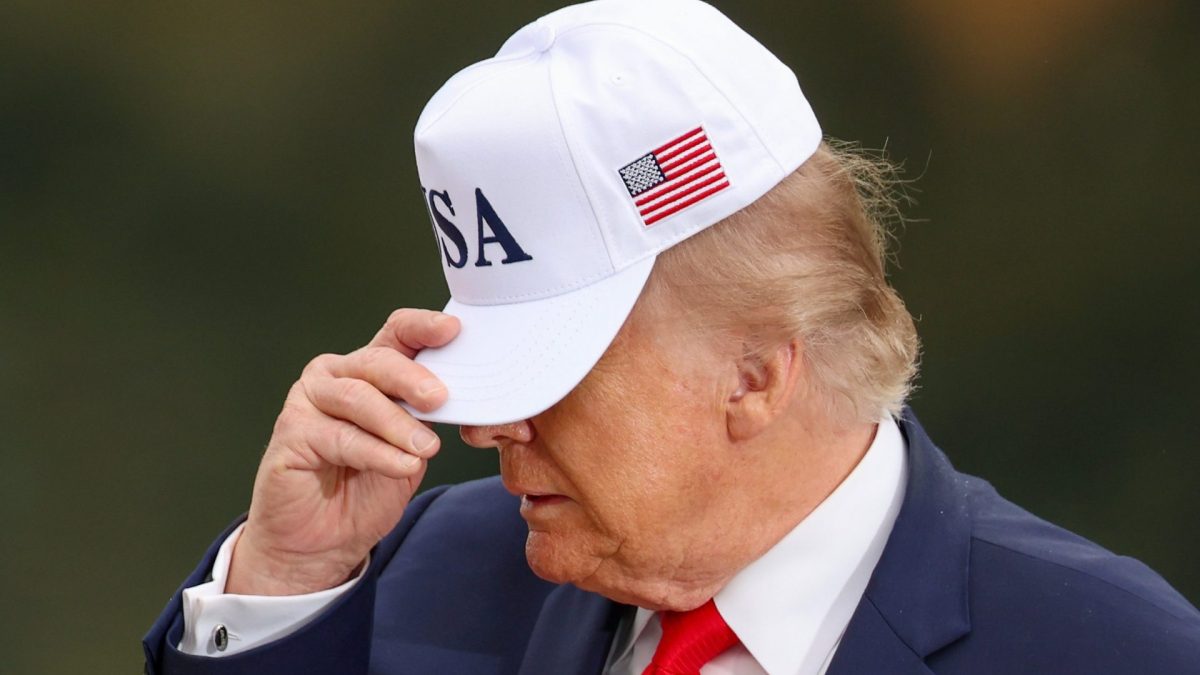
In the days since the midterm elections, I’ve found myself returning to a feeling I’ve not experienced in years. The last time I felt anything close to this was in November 2008, when Americans elected Barack Obama, the first Black president in our nation’s history. It was a campaign I had the honour of working on. It was also a moment that expanded the boundaries of what Americans believed was possible. Today feels strikingly similar. Not because history is repeating itself. It rarely does, but because, once again, Americans delivered a result that says something profound about who we are and what we aspire to be. And while these latest midterm results may feel sudden to some, they were years in the making. The seeds were planted after Donald Trump’s initial rise to power. We saw signs of it in the 2018 midterm elections, when voters delivered a powerful rebuke to Trump’s presidency, and again in 2020 when Americans elected Joe Biden and Democrats won back the White House. But history rarely moves in a straight line. Trump’s return to the White House in 2024 was a reminder that progress is neither inevitable nor permanent. This election feels like the culmination of that long arc. For Trump, it might feel something far different and more legacy-defining. Presidents lose midterms for many reasons. What makes this moment different is that voters did not simply express frustration with the cost of living or the direction of the economy. Concerns about corruption, ethics in government and accountability were also central, and these strike at the heart of how Trump’s White House has governed.I’ve seen what happens when voters use a midterm election to send a message to a US President. I worked in the Obama administration after the Republican wave of 2010, and I served in the Biden administration during moments when our own coalition demanded change and accountability. Midterms are not just about seats won and lost – they are moments when voters deliver a verdict on the direction of the country. Supporters of Texas Democratic Senate candidate James Talarico celebrate on election night (Photo: Brandon Bell/Getty Images) They also change what a President can realistically achieve. I saw this firsthand. After Democrats lost the House in 2010, the Obama administration spent years defending the Affordable Care Act and navigating repeated budget battles instead of pursuing the kind of expansive legislative agenda that had defined his first two years in office. Biden faced his own version of this. As Washington became more divided, priorities from voting rights protections to broader social spending proposals became harder, and in some cases impossible. When voters take Congress away from a President, they limit their room to manoeuvre. For years, many Americans have worried that our politics was shrinking rather than expanding, and that fear and anger were becoming dominant forces. Now voters have delivered a different message. What continues to strike me as I reflect on these latest results is the remarkable number of barriers that were broken. The first Black woman governor in American history. The first Muslim senator. The first openly gay senator. The first female Native American governor. The first female Native American senator. The first Latina governor in Texas history. The first female governor in Ohio history. The first Democratic senator from Kansas in nearly a century. The list goes on. These are not simply political milestones. They are American milestones. They tell us something important about the direction of the country: that Americans remain willing to challenge assumptions about who can lead and whose voices belong in the rooms where decisions are made. Voters in the midterms did not simply endorse a party label. The data tells us that Americans were focused on the issues that touch their daily lives: affordability, integrity in government and a desire for leadership they can trust. For Republicans, these results invite serious reflection. The consequences of this election are likely to be quickly felt. Committee gavels will change hands. We are already hearing Democrat leaders talk openly about accountability and oversight – alongside affordability and the cost of living. A White House that spent the last two years setting the terms of political debate will soon find itself responding to hearings, investigations and a level of scrutiny that simply did not exist before. As for Trump, this election represents the most significant rejection of his governing philosophy since he returned to office. For over a decade he has been the defining figure in American politics and built a movement that altered the country’s political landscape. But no political era lasts forever. The results made clear that many Americans are ready to turn the page, choosing possibility over grievance and the future over the past. They also made clear that Trump’s remaining time in office will be a challenging one, with Democratic lawmakers eager and able to hold him to account in a way that Republicans never were. Having worked for presidents navigating the aftermath of difficult midterm elections, I know how quickly these moments can reshape an administration. Oversight intensifies. Ambitions narrow. Every decision receives greater scrutiny. Trump now faces a Congress with both the power and the mandate to challenge him, making the second half of his presidency very different from the first. The question for Republicans now is not whether Trump changed their party – he unquestionably did – but what their party looks like after he has exited the stage and a new era arrives. Donald Trump has changed US politics, writes Karine Jean-Pierre (Photo: Alex Wong/Getty Images) Perhaps that is why I find myself thinking about 2008. What people remember about Obama’s victory back then is the history that was made. What I remember is the feeling – the feeling that the country was moving forward. The sense that our differences were not weaknesses but strengths, and that diversity was not a challenge to overcome but an asset to embrace. That feeling cannot be manufactured by consultants or campaign slogans, it has to come from the people themselves. I feel echoes of that moment again. Not because America’s challenges have disappeared. They haven’t. But because voters reminded us that progress is still possible, and that the story of America is still being written. These election results feel different. They feel like Americans choosing possibility over grievance, inclusion over exclusion and hope over cynicism. After a decade of Trump-flavoured politics, that alone is refreshing. But Trump hasn’t gone away, and we can expect some backlash, even if it will now feel much diminished, like an ageing boxer swinging a few last punches. The question now is what to do with this opportunity. If we seize it, we may one day look back on these midterms the same way many of us look back on 2008 – not simply as a political victory but as a moment when the country decided, once again, to move forward in a positive direction.
I’ve seen presidents struggle after midterms – Trump’s misery is about to get worse
Full Article
Original Source
Read the full article at Inews →KhanList aggregates and links to publicly available news content. We do not host full articles from third-party sources. Always verify important information with original sources.