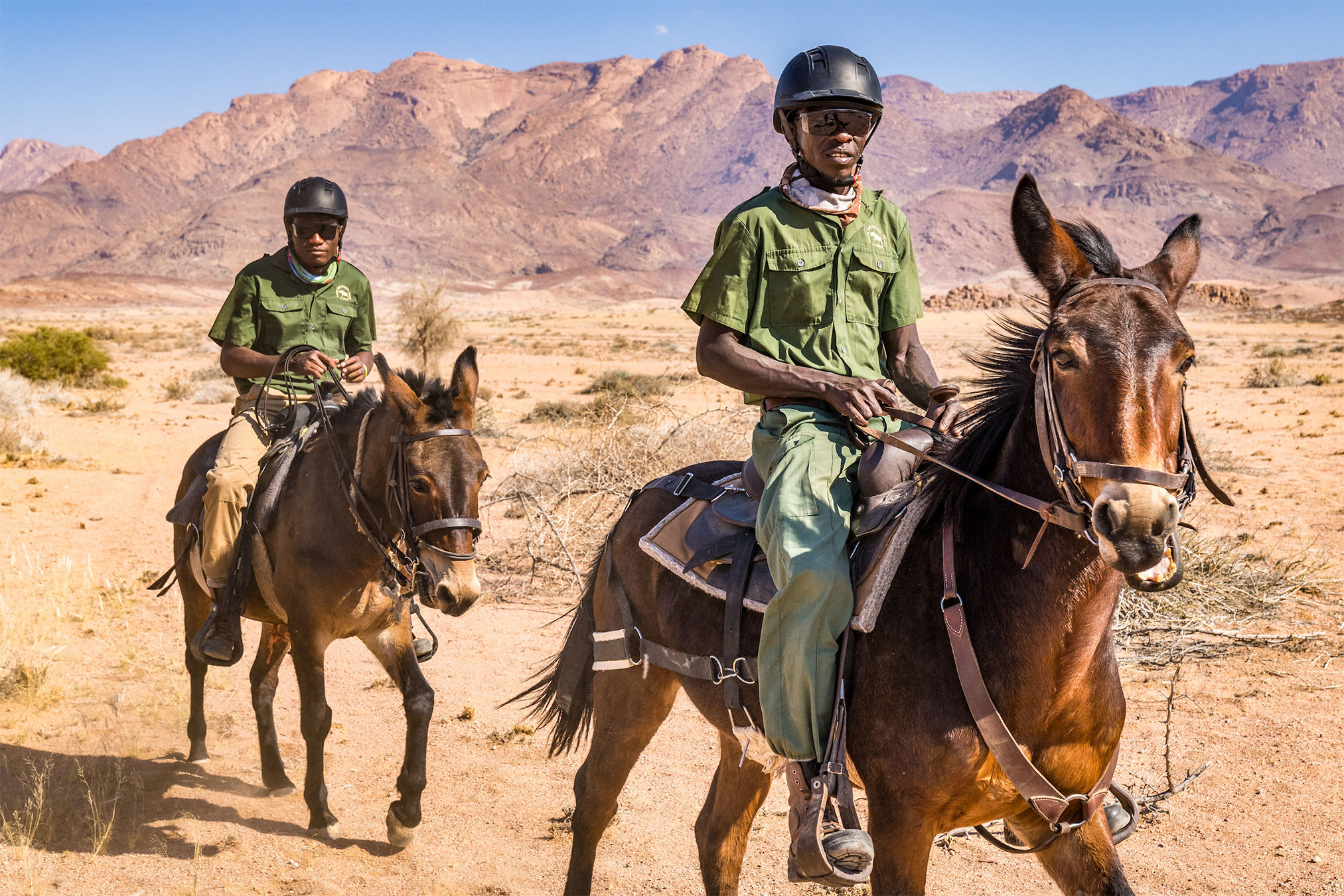
Two rangers who were badly injured in a serious vehicle accident while on duty in Mozambique earlier this month faced different outcomes: While one was enrolled in an insurance scheme that covers medical treatment and evacuation for rangers injured in the field, the other was not and faced far more limited options for his ongoing care and recovery.Increasingly, rangers are being called upon to operate in environments shaped by organized crime, armed conflict, and geopolitical instability, with climate change and climate-related disasters adding another layer of complexity.“Advocating for rangers’ work and highlighting the resources they lack matter more than ever, because the job role itself is evolving,” writes Louise de Bruin, CEO of the Game Rangers Association of Africa.This article is a commentary. The views expressed are those of the author, not necessarily of Mongabay. It is always a tragedy when a ranger is injured in the line of duty. Sadly, it is a story we have come to know all too well: brave men and women head into the field each day, and on occasion, whether at the hands of armed groups, dangerous wildlife, or environmental emergencies, it goes horribly wrong. What is perhaps less considered, and something I have seen the effects of firsthand, is that not all rangers have access to the same levels of support if something does go haywire. This was the case earlier this month when, regrettably, two rangers were involved in a serious vehicle accident while on duty in Mozambique. Both were badly injured and required urgent medical care. Yet what happened afterward was very different for each of them. One was enrolled in the Game Rangers Association of Africa (GRAA’s) RangerProtect, an insurance scheme that covers medical treatment and evacuation for rangers injured in the field. The other was not. While both were rescued quickly and treated at the nearest suitable medical facility, the ranger without that cover faced far more limited options for his ongoing care and recovery. Particularly as we approach World Ranger Day on July 31, we must recognize the extraordinary sacrifices rangers make to protect our natural heritage. But the recent incident is a stark reminder that these sacrifices are all too often made without the support system rangers need to do their job safely and effectively. Field rangers participate in a drill training session at South African Wildlife College, Limpopo Province, South Africa. Image courtesy of GRAA. When a ranger heads to the field uncertain about what support would be available if something were to go wrong, it inevitably affects confidence and morale. No one should have to carry that burden alongside the already demanding realities of the profession. I grew up in South Africa, where a love for nature was instilled in me from a young age. Time spent in the bush shaped who I am, and it is one of the reasons I was drawn to working alongside rangers — the people who dedicate their lives to protecting the places and the wildlife that mean so much to us all. Through my roles at the GRAA over the past 11 years, I have seen extraordinary dedication from rangers across the continent. Today, we support those serving across Africa, and we act as the regional representative of the International Ranger Federation, helping to ensure that the experiences and needs of African rangers are heard on the global stage. Advocating for rangers’ work and highlighting the resources they lack matter more than ever, because the job role itself is evolving. Poaching and human-wildlife conflict remain enduring challenges across many protected areas. But increasingly, rangers are being called upon to operate in environments shaped by organized crime, armed conflict, and geopolitical instability. Climate change and climate-related disasters are adding another layer of complexity. Members of an anti-snare patrol at Somkkhanda Private Game Reserve, Zululand, KwaZulu Natal, South Africa. Image courtesy of GRAA. As the scope of these challenges grows, so does the level of risk that rangers face in carrying out their work. Having spoken to rangers across Africa, I have seen firsthand the difference that having access to these resources can make. That means adequate training, proper equipment, and access to medical support and mentorship. These should not be luxuries. These are fundamental requirements that allow rangers to do their jobs safely and effectively. Following the April 2025 attack on the Mairi Environmental Centre in Niassa Special Reserve in northern Mozambique, one ranger who survived the assault was evacuated for urgent medical treatment and rehabilitation through RangerProtect. More than a year later, he continues his recovery and is preparing to return to the profession he cares so deeply about. I think that his story reinforces an important lesson. Resources are not simply about providing equipment or training; they are also about helping to instill rangers with the confidence that we are there to support them, at every step of the way. I have watched how initiatives such as the Wildlife Ranger Challenge (WRC), an annual fundraising event culminating in a coordinated half-marathon race across Africa, contribute to providing those resources. Organized by the GRAA and Tusk, a conservation charity working with project partners to tackle evolving threats to Africa’s biodiversity, proceeds raised through the challenge are invested in better equipping and training ranger units. Akashinga anti-poaching rangers participate at a 2025 Wildlife Ranger Challenge in Zimbabwe. Image courtesy of Akashinga. Wildlife rangers from Pendjari National Park at the 2025 Wildlife Ranger Challenge. The event drew more than 1,000 rangers at sites across more than 20 countries. Image courtesy of African Parks, Pendjari National Park. Over the years, I have also seen how the event has fostered camaraderie among rangers across countries and organizations, reminding them they are part of a larger community that understands and stands behind them. The 2026 Wildlife Ranger Challenge was launched earlier this month, and the annual race day event is set to take place on Sept. 19. The GRAA participates each year, and I, for one, am excited to take part in this meaningful event once again. Without rangers, conservation cannot happen. Protected areas become less secure and ecosystems become less healthy. We all feel the consequences, whether we notice the connection or not. If we expect rangers to continue showing up for nature every day, then they deserve to know that we are showing up for them too. They deserve access to the resources that allow them to step into the field knowing they are prepared, protected and valued. Banner image: Field rangers in Namibia. Image courtesy of GRAA. Louise de Bruin is the CEO of the Game Rangers Association of Africa. Upemba National Park staff recount assault that left seven dead Using songlines, elders codify traditional knowledge to care for Country A Thin Green Line: The 2,000-strong ranger force of African Parks Feedback: Use this form to send a message to the editor of this post. If you want to post a public comment, you can do that at the bottom of the page. Credits Topics
It’s time we recognize the roles of rangers — and prioritize their safety (commentary)
Full Article
Original Source
Read the full article at News →KhanList aggregates and links to publicly available news content. We do not host full articles from third-party sources. Always verify important information with original sources.