
US vaccine recommendations are in limbo, access to vaccines is suffering, and some of the uncertainty may continue for years following major blows to vaccination by the Trump administration, experts say.Robert F Kennedy Jr, the secretary of the US Department of Health and Human Services (HHS), has made sweeping changes to vaccination policy, cutting childhood immunization recommendations by a third and replacing experts on the Advisory Committee on Immunization Practices (ACIP) with his own handpicked allies.A judge’s order halted these changes because they were not done correctly, but Kennedy has not nominated any new ACIP members – which means there are no new vaccination recommendations coming from the committee, even as new vaccines are approved.Ron Kroening, 63, has asthma and bad allergies this time of year, so his doctor recommended the new Moderna mRNA flu vaccine, approved by the US Food and Drug Administration (FDA) in August for ages 50 and up. Trials suggest it provides even stronger protection than traditional flu shots.It took time to locate the one pharmacy in his area that stocked the shot – and then Kroening was shocked to be charged a $40 co-pay.“I figured that was an error because I’ve never had to pay for a flu shot in my life,” he said. But his insurance company told him it’s because there’s no recommendation from the ACIP, Kroening said: “The reason the mRNA isn’t covered is because it’s not listed as an ACIP vaccine.”If the ACIP doesn’t recommend the new shot by the end of the year – a scenario experts say is likely – insurers won’t be required to cover it until January 2029 at the earliest.“This is really a barrier. And any barrier to immunizations is going to keep people from getting them,” said Kroening, a retired public health employee who worked on immunizations at the state level in Oklahoma. “A $40 co-pay is going to turn people off,” he added, noting that his pharmacist also didn’t inform him that there were other flu shot options.Insurers usually have at least a year after FDA approval to add coverage of a new vaccine to their plans, so a co-pay like Kroening’s isn’t unusual in the first year or so. But the difference now is it’s not clear when the vaccine will be fully covered.Typically, when a vaccine is approved for a new group of people – either because it’s new to the market or because the approval expanded to include more people – insurers have a year from the recommendation to implement it by the next plan year, which usually starts in January. That means if a vaccine is recommended by ACIP in December 2026, insurers are required to cover it by January 2028. If it’s recommended a month later, in January 2027, then the coverage requirement is pushed to January 2029.“The legal requirement doesn’t go into effect very quickly. The process takes time,” said Lindsay Wiley, professor of law and faculty director of the Health Law and Policy Program at UCLA Law.For the new flu shot, “it seems likely that at best we would get a recommendation next year,” Wiley said, “but there’s no reason to think” they will do so. “It’s just delaying more and more and more,” she said.The only exception to the law on coverage is for Covid vaccines, because Congress amended the Affordable Care Act to specifically include coverage of Covid immunizations within 15 days of ACIP recommendation.The uncertainty around ACIP has other ripple effects. Some states won’t allow pharmacists to give vaccines without an ACIP recommendation. Some of the decisions the committee made before it was disbanded were also halted, including the September 2025 recommendation on new shots to prevent RSV – though insurers appear to be covering them anyway. A now-voided vote to end the universal birth dose of the hepatitis B vaccine is influencing potential state-level laws.There have also been delays reported for insurers covering the new flu shots for seniors under Medicare, which is mandated by law even without an ACIP recommendation.The US government has appealed the part of the judge’s order that disbanded the vaccines committee, but there’s nothing to stop Kennedy from undergoing the correct process for appointing new members, experts say. He hasn’t.“This White House and DoJ are making no serious attempt to actually revive the vaccine committee,” Aaron Siri, who has served as Kennedy’s lawyer and has litigated cases against vaccine makers, wrote on Monday. Siri added: “It appears the DOJ and the White House are doing everything they can to make sure that there is no functioning vaccine committee.”Dorit Reiss, a vaccines expert at UC Law San Francisco, agreed.“The federal government is choosing not to put in place a new ACIP,” she said. She also noted that Kennedy’s slate of advisers were clearly “uninformed” about vaccine policy and it was “embarrassing”, even for anti-vaccine activists, to watch the public meetings.There are some advantages for Kennedy not to have a functioning ACIP, Reiss said. “Kennedy, in appointing his ACIP, wanted to change the schedule, and they haven’t been anywhere near as quick as he’d like them to be. So, going around ACIP is a plus,” she said. Delaying the reconstitution of the committee may allow him to make his own recommendations, she added.Even after the lengthy court case concludes, the way forward for ACIP is shaky, because Kennedy has “aggressively undermined” trust in the independence of the committee, Reiss said.“Without dramatic changes, it’s probably not coming back the way it was,” she said. “This has shown that ACIP is politically vulnerable, and I think if we want ACIP to go back to the way it was, we’re going to need a statute that gives it some protection.”Ron Kroening’s insurer is a member of the insurance industry group AHIP, which vowed to continue covering all shots recommended as of September 2025. And insurers can decide to cover vaccines before they’re required to do so.“Vaccines are more cost-effective than getting the flu,” Kroening said. He said he still would choose the new vaccine despite the co-pay. “I’m able to pay the $40, and I’m happy I did, but still not happy that insurance didn’t cover it,” he said.He’s worried about what all of this means for the future of immunizations in America. “They’re harder to get now,” Kroening said. “It’s a mess right now, what they’re doing with our vaccines.”
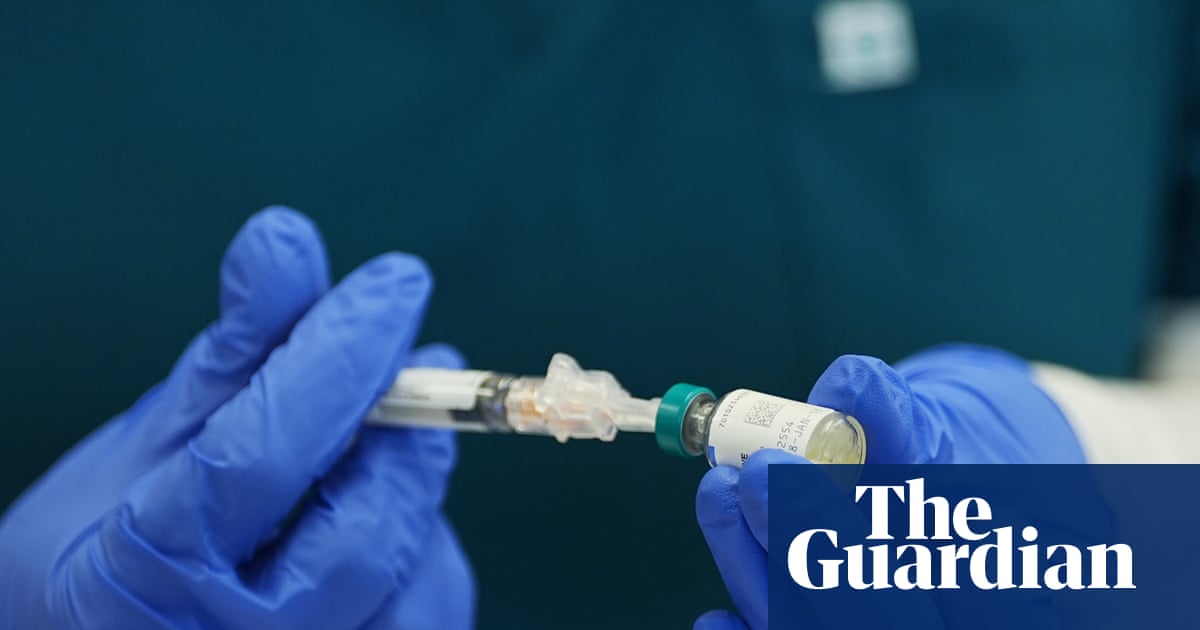
‘It’s a mess right now’: RFK’s sweeping changes place new vaccines in limbo
Full Article
Original Source
Read the full article at Theguardian →KhanList aggregates and links to publicly available news content. We do not host full articles from third-party sources. Always verify important information with original sources.