
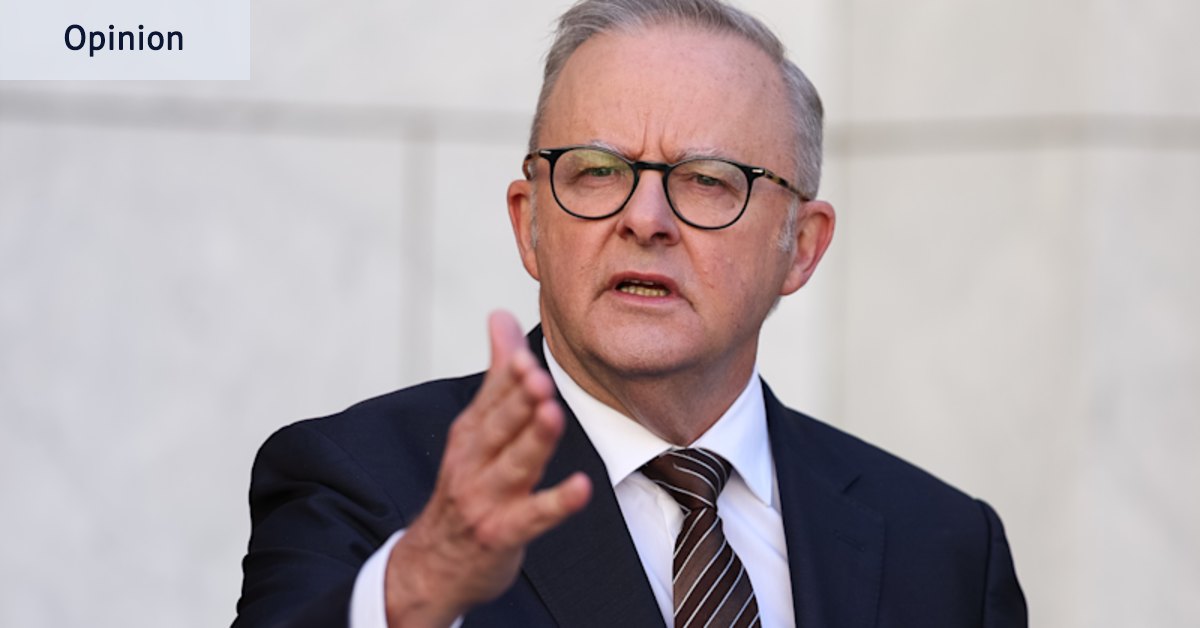
OpinionEditorialNovember 2, 2026 — 5:00amNovember 2, 2026 — 5:00amThe Reserve Bank of Australia is expected to lift official interest rates to an 18-year-high on Tuesday.The inflation outlook has deteriorated in the past few months despite four previous rate hikes this year.Prime Minister Anthony Albanese last week told this masthead interest rates are a “blunt instrument” causing pain to mortgage holders.Prime Minister Anthony Albanese is bracing for a fifth interest-rate rise this year.Alex EllinghausenBut the RBA is set to use that tool again in a bid to bring price growth back to its target band of between 2 and 3 per cent – failing to do so risks much greater economic damage over the longer term.The nagging persistence of price pressures in the economy has drawn attention to the role government spending is playing in Australia’s inflation problem.The federal budget registered a budget deficit of $22.5 billion last financial year, and deficits of more than $30 billion are predicted for this financial year and the next.It is increasingly clear those deficits cannot not be justified given the magnitude of the inflation challenge, especially when economy continues to grow and unemployment is fairly low by historical standards.In effect, the RBA and the federal government are pulling in opposite directions – as the bank tries to curb excess demand with higher interest rates the Commonwealth is adding to demand by spending borrowed money.State governments should also be more disciplined. Take NSW for example – treasurer Daniel Mookhey has styled himself as a fiscal conservative, but this state has been in the red for the past seven years and another deficit is forecast this financial year.Of course, government spending is not the only reason for Australia’s inflation challenge.Reserve Bank governor Michele Bullock often refers to “capacity constraints” in the economy which are adding to price pressures.Treasurer Jim Chalmers blames the war in the Middle East for contributing to inflation.Alex EllinghausenTreasurer Jim Chalmers, who is under extreme pressure to fix the inflation problem, is right when he argues higher fuel prices caused by conflict in the Middle East are contributing.“We already had an inflation challenge in our economy and the war in the Middle East is making it worse,” he said last week.Interest rates are on the rise internationally – the yield on benchmark sovereign bonds are at the highest levels in 15-year highs in many economies, suggesting investors are anticipating a period of elevated inflation.As an open economy, highly reliant on foreign trade, Australia is not immune to these global economic forces: households and businesses may have to adjust to interest rates being higher than we have become accustomed to over the past decade or so.But that makes it even more important to take pressure off inflation with prudent budget management.Chalmers has indicated spending cuts are being considered as part of next month’s mid-year budget review, including reductions to infrastructure investments.The treasurer needs to make the most of this opportunity – the net savings (or tax increases) he makes must materially improve the budget bottom line and, therefore, ease pressure on inflation.It is the Reserve Bank’s job to keep inflation in check, but Australian governments can do more to help.From our partners
It is the RBA’s job to fight inflation, but governments must do more to help
Full Article
Original Source
Read the full article at Smh →KhanList aggregates and links to publicly available news content. We do not host full articles from third-party sources. Always verify important information with original sources.