
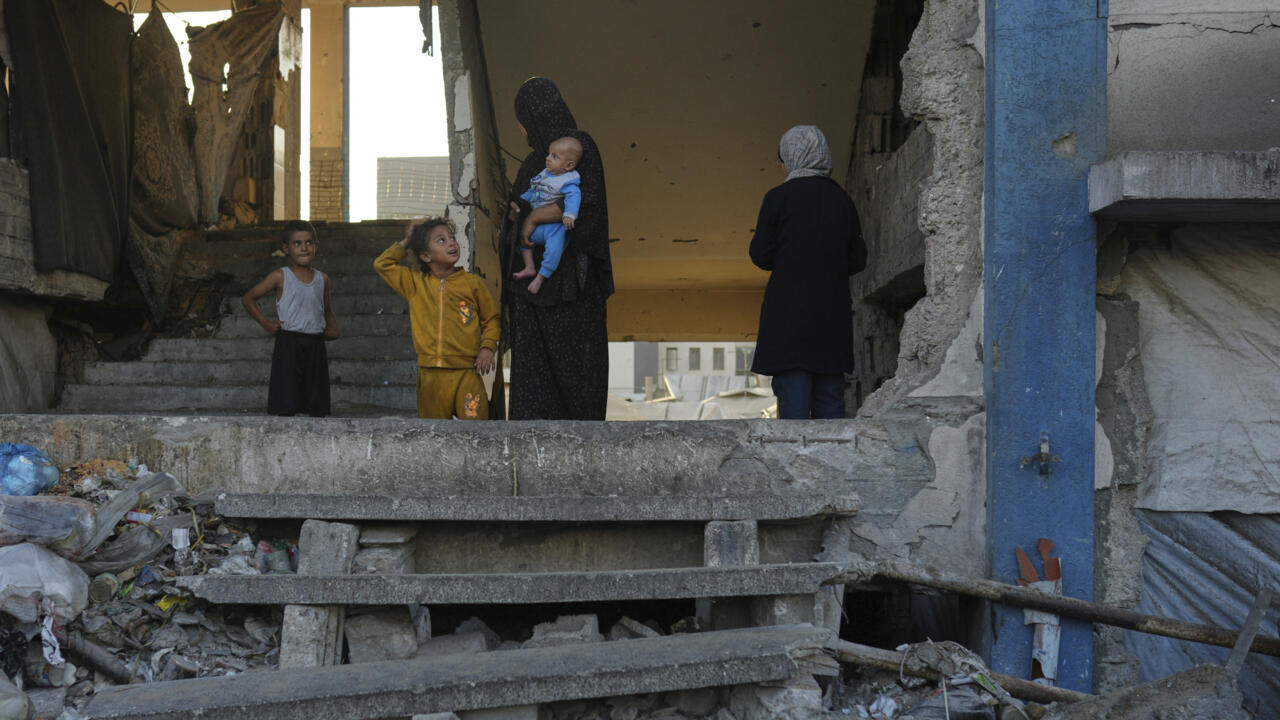
Israeli measures have prevented births in Gaza, Amnesty International said on Wednesday – calling for the International Criminal Court to investigate whether they amount to an act of genocide. In a report documenting the war’s devastating toll on women and girls, the rights group detailed the collapse of fertility services and deadly shortages of medicines needed during childbirth. Issued on: 25/11/2026 - 11:45Modified: 25/11/2026 - 11:46 3 min Reading time Under the UN Genocide Convention, measures intended to prevent births within a group count as an act of genocide if the aim is to destroy all or part of that group. Whether Israel set out to prevent births could not be established definitively, Amnesty said, although its report expressed serious concerns that this was deliberate. Israel has continued to commit genocide in Gaza despite the US-brokered ceasefire of October 2025, the rights group said. Amnesty first accused Israel of committing genocide in a report published in 2024. The International Criminal Court should include “gender-based crimes and reproductive harms” in its investigation into possible genocide by Israeli officials, Amnesty International Secretary General Agnès Callamard said. The war began on 7 October 2023 with an attack on Israel by the Palestinian Islamist group Hamas. By 1 October 2026, 74,237 Palestinians had been killed, including 22,331 women and girls, Gaza’s health ministry reported. The UN considers the Hamas-run ministry’s figures reliable. Nobel Prize winner Navi Pillay: 'You don't wait for a million people to be killed' Births on hospital floors More than 90 percent of Gaza’s hospitals have been destroyed or are only partly working, Amnesty said in its report, based on 228 interviews. Women have given birth on floors or while sharing beds, patients and medical workers said. During Israeli hospital sieges, caesarean sections were performed without electricity or adequate anaesthesia. Shortages of medicines caused by Israeli restrictions on aid have sometimes proved fatal for women bleeding heavily during childbirth, the report found. The findings were challenged by COGAT, the Israeli defence ministry body responsible for civilian affairs in the Palestinian territories, which accused Amnesty of “echoing Hamas’s false narratives” when contacted by the French news agency AFP. More than 27,000 tonnes of medical equipment and medicine had entered Gaza since the ceasefire, it added. Some 35 hospitals were operational, including “women’s health and fertility facilities”. Three years on from the 7 October attacks, war has redrawn the map of Palestine Pregnancy amid war Among the cases documented by Amnesty was that of Sondos Al-Kurd, who was eight months pregnant when an Israeli strike hit her home in October 2023, killing her three-year-old daughter and several relatives. Her baby daughter was delivered by emergency caesarean section at Al-Shifa hospital. Weeks later, when Israeli forces besieged the hospital, Al-Kurd was forced to leave while her newborn remained in intensive care. The baby survived and was evacuated for treatment outside Gaza, but Israeli restrictions kept mother and daughter apart for more than two years. Before the war, at least nine clinics in Gaza provided in vitro fertilisation (IVF), a form of fertility treatment. None now offer the service and thousands of stored embryos, sperm and eggs have been destroyed, Amnesty said. Israeli restrictions on travel have also effectively denied Palestinians access to fertility treatment outside Gaza, while trauma and fear for the future have led some women to abandon plans to have children, the report found. The number of live births in Gaza fell by around 41 percent in the first half of 2025 compared with 2022, the health ministry said. “It’s a fight to survive,” Amal Siyyam, director of the Women’s Affairs Centre in Gaza, told Amnesty. “If you ask any woman in Gaza about the future, they’ll ask: what future?” (with newswires)
Israel accused of preventing births in Gaza as Amnesty seeks genocide probe
Full Article
Original Source
Read the full article at Rfi →KhanList aggregates and links to publicly available news content. We do not host full articles from third-party sources. Always verify important information with original sources.