
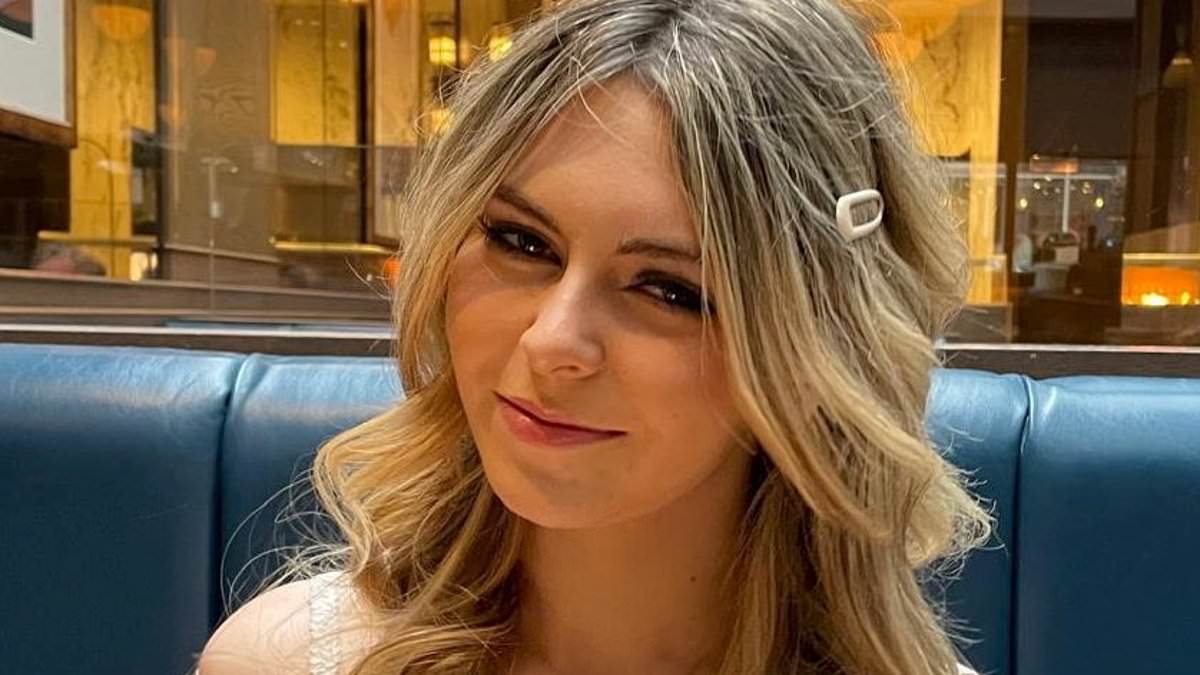
Published: 14:13 EST, 20 November 2026 | Updated: 14:13 EST, 20 November 2026 A teenager who died from breast cancer has lent her name to new guidance for GPs treating youngsters after a year-long campaign by her parents. Isla Sneddon, from Airdrie, Lanarkshire, died in March 2025 at just 17 years old – two years after she went to the doctor with a lump in her breast.Now her name has been adopted in new national guidelines to spell out four things GPs should keep in mind when treating a young person with unexplained symptoms.Isla’s concerns were repeatedly dismissed as anxiety and hormones and her eventual referral was downgraded by the breast clinic from ‘urgent’ to ‘routine’ because of her age.Her health deteriorated until she was diagnosed with a rare sarcoma which had spread to her heart, lungs and lymph nodes 24 months after first going to the doctor.The teen’s grieving parents Mark and Michelle Sneddon said they hoped something good will now come out of their daughter’s death. Isla Sneddon died of breast cancer aged just 17 Isla's parents Mark and Michelle campaigned to establish Isla's Law with the backing of the Scottish GovernmentThey added: ‘We cannot change what happened to Isla but knowing that her legacy could help another child to receive the investigations, diagnosis and treatment they need sooner gives us a purpose to keep going.‘Our hope is that Isla’s Principles become more than guidance on a piece of paper. We want them to create lasting change in how children and young people with concerning symptoms are listened to, investigated, and referred.’Following Isla’s death, the couple said the family had trusted what doctors told them – until it was too late.Speaking to Ben Shephard and Cat Deeley on the ITV breakfast programme, Mrs Sneddon, 48, explained: ‘When she was 15, she came down the stairs and was like, “I’ve got a lump”, she let me feel her lump and I panicked.‘It felt really quite large, but I played it down and told her it would be fine, I phoned the doctors and they saw her, but because of her age, seeming fit and healthy...’Mr Sneddon, 55, added: ‘We believe that if Isla had been an adult presenting with the same symptoms, there would be a lot more done.‘There would have been a longer investigation, she wouldn’t have been told it was something she’d grow out of.’The family campaigned to establish Isla’s Law, which would require GPs to ensure urgent paediatric referrals are subject to the same maximum wait times as adult cancer referrals.Their petition on Change.org has attracted more than 43,000 signatures.The new guidance, Isla’s Principles, has the backing of the Scottish Government and will be used in all health boards north of the Border.Her initials stand for ‘intuition’ for doctors to use their professional judgment, ‘share information between primary and secondary care’, ‘look beyond the obvious’ when struggling with diagnosis and ‘agree a plan’ with the young person should the diagnosis prove to be wrong.Health Secretary Angela Constance said the guidance was ‘developed to support earlier and more accurate diagnosis of cancers in children and young people’.Dr Sal Peterson, co-chair of the Scottish Primary Care Cancer Group added: ‘Isla’s Principles are an important addition to existing guidance. They highlight the importance of GP intuition, especially in people with vague symptoms.’MSP Neil Gray, who as the previous Health Secretary, met with Mr and Mrs Sneddon to discuss their concerns, welcomed the new guidance and said: ‘What Isla and her parents went through was horrific and I couldn’t imagine what they experienced.‘But Mark and Michelle have campaigned tirelessly for this change, and I am so glad to see Isla’s Principles come into effect in the hope that no other young person has the same experience that they did.’
'Isla died of breast cancer at 17... her legacy could help other youngsters'
Full Article
Original Source
Read the full article at Dailymail →KhanList aggregates and links to publicly available news content. We do not host full articles from third-party sources. Always verify important information with original sources.