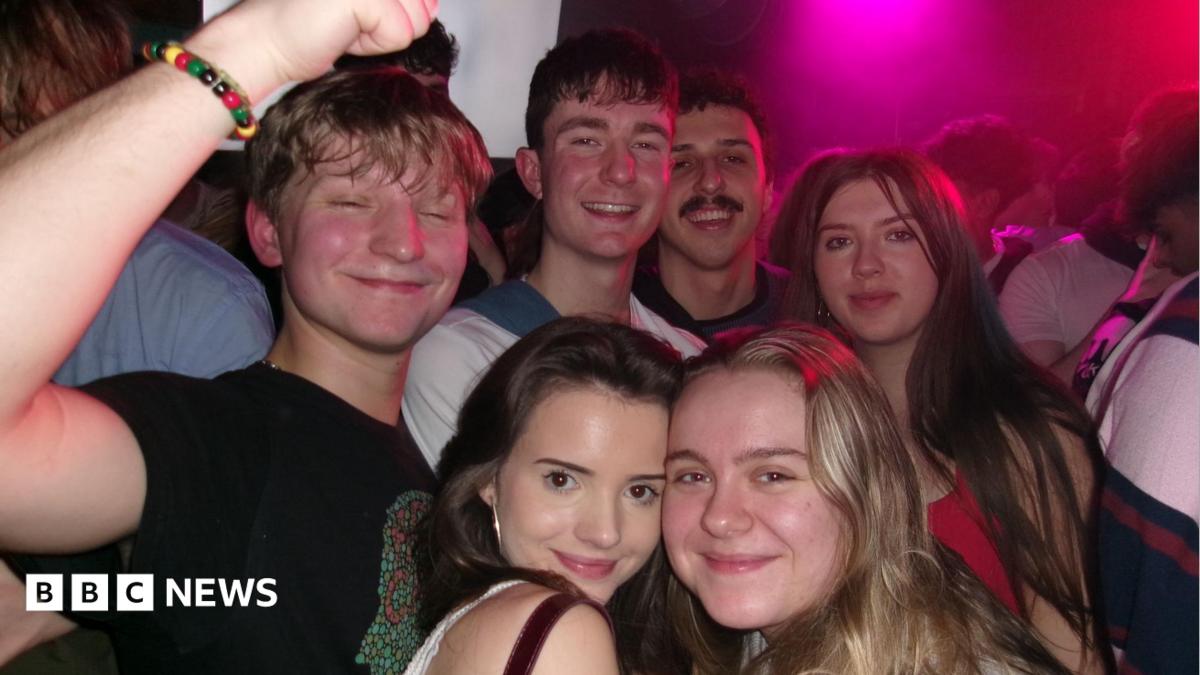
Student Freya Price will be on a night out with her friends, but she cannot truly relax.The 21-year-old is "hyper aware" while in nightclubs - avoiding promoters' cameras and watching for strangers filming - fully aware that any embarrassing moments could end up as content. Freya said feeling monitored had cheated her out of the carefree night life Millennials enjoyed growing up. While, for previous generations, embarrassing moments may have been talked about or uploaded to a blurry Facebook album, now they can be filmed, shared and viewed by thousands within hours.Neuroscientist and author Dean Burnett said more people were "more anxious about doing something which could be seen as embarrassing online".Freya said she wished she could feel comfortable dancing, being silly and enjoying the moment, but the thought of seeing videos of herself was "quite a big worry".The third year Cardiff University student said she and her friends had often been minding their own business when "all of a sudden there's a camera in your face" as club promoters try to capture content. On top of that, the fear of being caught in someone's TikTok plays on her mind. She said some of her friends had appeared on club Instagram pages a week later looking "plastered".She described this as a background worry that leaves her "on edge".Freya is also worried about Meta glasses, having seen videos on social media of women after nights out without them being aware, as it is hard to tell between them and typical glasses."I find it quite scary how easy it's becoming to film people and post them on social media without them even knowing there's a camera."Freya said she liked the idea of a sticker being put over the camera, as clubs in Berlin have done. Tracy Clayton, a Meta spokesman, told the BBC people should behave responsibly with any technology and the company had teams "dedicated to limiting and combating misuse, but as with any technology, the onus is ultimately on individual people to not actively exploit it"."Usually, when you're drunk your inhibitions are lowered, you're not really thinking but then it's like, 'oh, there's a camera here'," she said."I see on social media the '90s babies saying 'Gen Z is unlucky, in my time there was no phone, the worst thing that would happen is your picture would end up in someone's Facebook dump'."She said for her generation, a drunk night out where something goes wrong "could impact jobs in the future" as, if online checks brought up videos of "you being paralytically drunk, they might not want that image".Feeling embarrassed is a natural human response, but social media has altered how big the audience watching the moment is, said Burnett. The honorary research fellow at Cardiff University said he was not surprised that young people who grew up in an environment where your actions end up online have altered behaviour. He believes social media can be positive as it helps people find a community, but "I don't think it's necessarily a good thing for everyone to have an audience"."I do think that's become part of a lot of people's thinking, what are my followers going to think?"
Is the fear of unintentionally going viral changing clubbing for Gen Z?
Full Article
📰 Original Source
Read full article at Bbc →KhanList aggregates and links to publicly available news content. We do not host full articles from third-party sources. Always verify important information with original sources.