
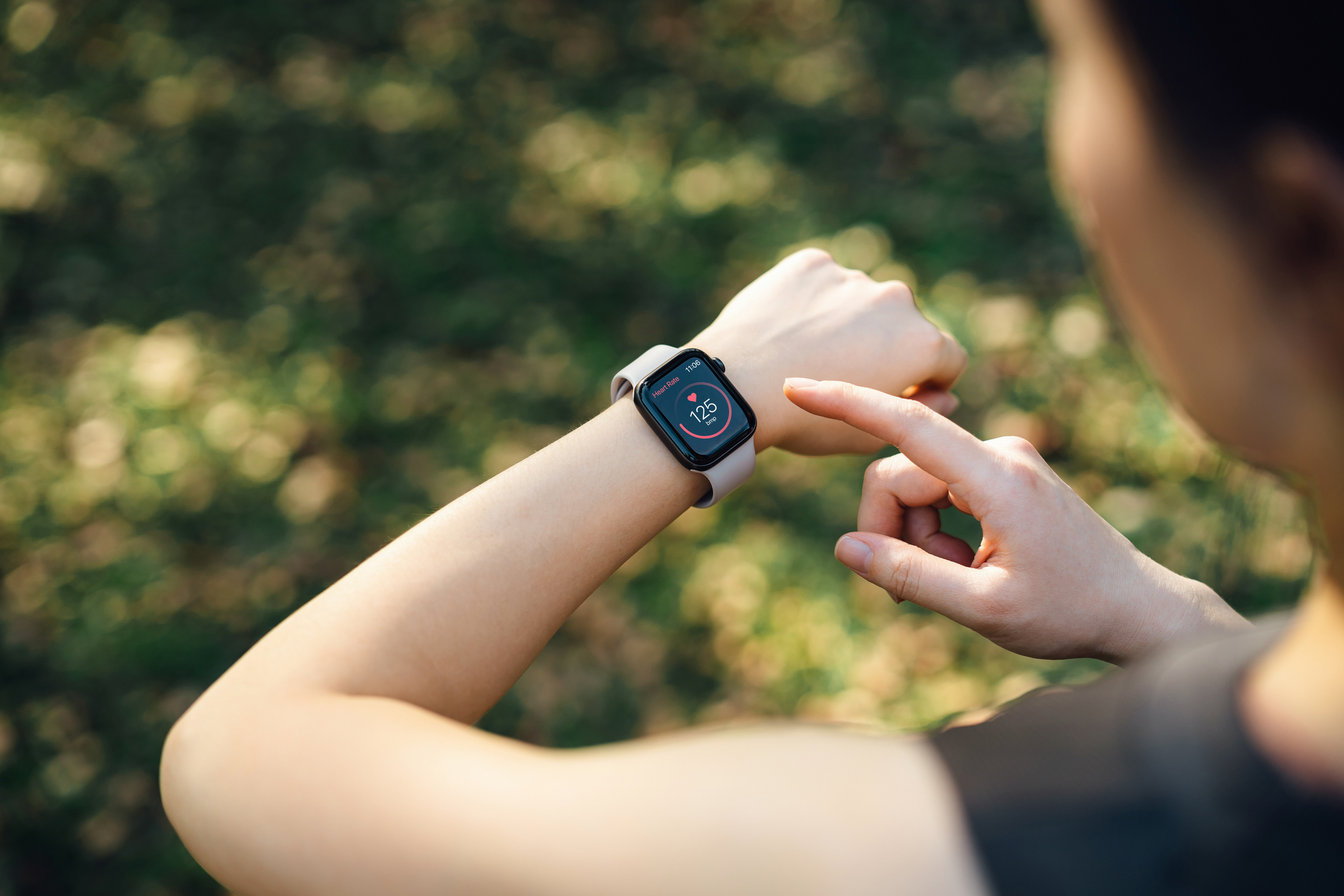
If you use your smartwatch for activity and sleep tracking, that’s great, but if your main goal is to track calories burned during those activities, you may want to find a new method. According to a new Florida International University study, smartwatches overestimate how many calories people are actually burning, with some watches making more mistakes than others. The study focused on four smartwatches: the Apple Watch Series 8, Fitbit Sense 2, Samsung Galaxy Watch 5 and Garmin Forerunner 955, and had a total of 58 participants. Each participant in the study wore the smartwatches along with a Cosmed K5, a device that measures energy burn, and an electrocardiogram chest strap to track heart rate. Participants’ age, sex, height and weight were entered into all of the devices. They then completed a workout on a stationary exercise machine in a controlled setting and the results from each device were compared. The study found that the watches averaged a 15 to 25% margin of error and overestimated calories burned across the board. That means that if you take a brisk evening walk and your watch says you burned 200 calories, your actual burn would likely be somewhere between 160 and 174 calories. However, accuracy also varies by brand. The study found that the Apple Watch had the smallest margin of error, while Samsung and Garmin struggled more with overestimation. It was also noted that Fitbit had numerous glitches during testing, so researchers excluded some data due to its tracking issues. From left, FIU student Gabriel Cabeda Ramirez, Ph.D student Daimien Campos and FIU researcher Jason Kostrna participate in a demonstration of the study protocol Friday, Aug. 21, 2026, at Florida International University in Miami. Taimy Alvarez/Florida International University The researchers also found that accuracy worsened when body fat increased, but have not discovered why that is. In a press release about the study, Jason Kostrna, the study’s lead author and associate professor of kinesiology and exercise science in FIU’s College of Arts, Sciences & Education, cautioned against relying too heavily on your smartwatch’s calorie readings day in and day out. “You could be hundreds of calories off each week and easily end up in a calorie surplus when you think you’re in a calorie deficit,” he said. Instead, smartwatch wearers should take those calorie numbers with a grain of salt and pay close attention to how their bodies and energy levels feel.
Is The Calorie Counter on Your Smartwatch Accurate? Not Really, Study Finds
Full Article
Original Source
Read the full article at Cnet →KhanList aggregates and links to publicly available news content. We do not host full articles from third-party sources. Always verify important information with original sources.