
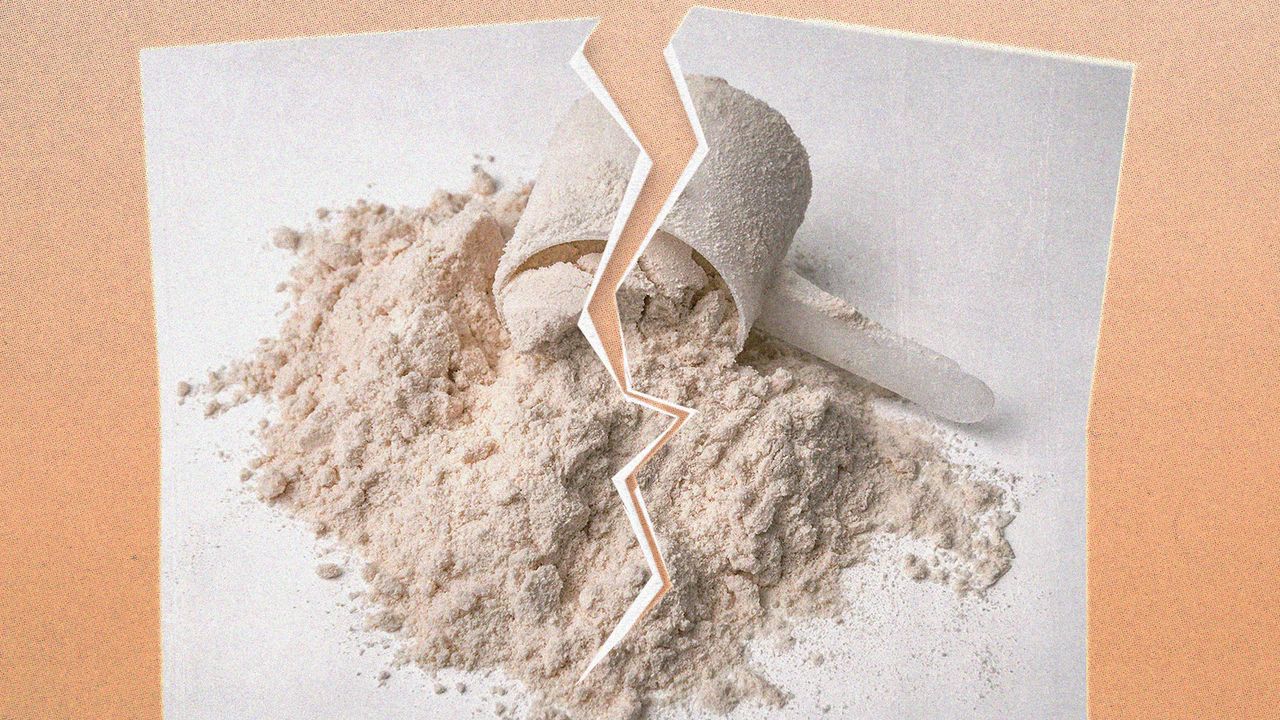
Post-workout protein shakes are a fitness staple these days. And for good reason. It’s well-documented that consuming protein after strength training can help you get stronger and build muscle. But there are downsides to protein shakes. For one, they’re a processed food and can be hard on your gut. For another, people often tend to use it as a meal replacement—skipping crucial nutrients for convenience. Below, we speak to experts about what you should know about consuming protein powder in the long-term, and how you can best serve your body while working toward your fitness goals.What is protein powder?What do we mean when we talk about protein powder? Whey protein (concentrate or isolate) is derived from milk and a by-product of the dairy industry. It’s considered the gold standard for muscle protein synthesis, is fast-digesting, and is rich in essential amino acids.Plant-based proteins, like pea, hemp, rice, or soy, are popular among vegans and are easier on the gut for some. They can also be better for people who suffer from acne.Blends like whey and collagen or multi-plant are a new spin on the above, often designed to offer both performance and well-being benefits. Beef protein powders, meanwhile, are made from mushing bones, skin, and connective tissue into a powder.Why people take protein powder“The number one benefit of protein powders is that they make consuming a relatively large dose of protein easy and convenient,” says nutritionist Drew Price, author of The DODO Diet. “Another benefit is that you get a lot of protein but without the calories from fat or carbohydrates. A 200g sirloin steak has around 45g protein, but additionally 20g fat.”Nutritionist Uta Boellinger adds that from a nutrition science perspective, we now know that protein is key for satiety, blood sugar balance, muscle maintenance (not just growth), hormone regulation, recovery and even sleep. All of which is useful when we’re trying to take care of ourselves. “Protein powders are definitely not just for athletes, but for everyday people, especially midlife adults who are trying to preserve lean body mass and balance hormones,” says Boellinger.The downsides of protein powder“Many people who consume protein products are consuming them very regularly and probably only use one or two brands,” says Price. “The more you consume of a particular food then the more you have to consider the downsides.”Oftentimes, the quality of your protein powder can make a big difference on its impact on your health long-term. Choosing third-party tested brands is key if you’re drinking a shake every day.“Not all protein powders are created equal,” says Boellinger. “Some are packed with artificial sweeteners, thickeners, gums, emulsifiers, and flavors to mimic milkshake textures. While these are generally considered safe, in excess or for people with sensitive guts, they can cause bloating, gas, or discomfort, especially things like carrageenan or certain sugar alcohols. Then there’s the issue of additives, heavy metals, and contamination, particularly in poorly regulated or budget brands.”Price adds that while extra protein in our diets is considered relatively safe in terms of kidney function, there might be evidence linking it to vascular health problems. “An area of focus for my lab is the relationship between protein and cardiometabolic health,” he says. “While increased protein intake is associated with better cardio and metabolic health, some research shows those with vascular health problems generally have a lot of BCAA in the blood.”Price is clear that it’s difficult to say whether this BCAA concentration is cause or effect, but points out that, increasingly, some health coaches will recommend protein fasting to ‘reset’ their client’s system. (It's also worth noting that recently a GQ contributor who was proteinmaxxing a little too hard was told his blood sample showed early signs of gout. So don’t overdo it.)Diet displacement is also a factor. “Protein powders aren’t magic, but they’re incredibly useful in the right context,” says Boellinger. “No powder can replace the nutrient density of, say, a piece of salmon or a cup of lentils, and while there’s no such thing as protein addiction, it’s worth being aware of extremes—some people begin to use protein as a food group in itself, rather than as a supplement. It is convenient as an add-on but shouldn’t replace a good diet.”Is one type of protein powder healthier than another?“Healthier depends on your goals, tolerance, and diet,” says Boellinger. “Whey isolate is one of the most efficiently absorbed, and great for muscle recovery, but it can cause issues for many. Plant-based blends are great for those avoiding dairy and can have added fiber and antioxidants.”Boellinger points out that added sugars and sweetness should be avoided for obvious reasons, and you should favor brands that are open about their sourcing. “I often suggest people choose an unflavored or minimally sweetened version and blend it with fruit, nut butter, or cocoa powder,” she says. “It keeps the ingredients list short and reduces your intake of ultra-processed compounds.”Price’s concerns are more around quantity than quality. “Leaving aside specific allergies, there are no ‘bad’ foods, just bad amounts to consume them in,” he says.How often should you consume protein powder?As long as you’re sourcing reliable, largely additive-free protein powder, on a daily basis should be OK. “Research shows that even large intakes of protein predominantly from shakes—we're talking more than 3g per kg bodyweight per day [1.36g per pound] for a year—don’t pose a problem in healthy adults,” Price says.He adds that the long-term effect of consuming lots of non-nutritive sweeteners, emulsifiers and other additives is less known, but that any downside is likely to be outweighed by the impact of keeping physically fit, and having a diet designed to support that.“Nutrition is an annoying thing,” Price says. “Diet is a collection of thousands of factors. What this boils down to is if you eat loads more protein but at the expense of, say, vegetables or fiber, then you’ve shot yourself in the foot.”Use protein shakes as they were intended—as a supplement to a complete and well-rounded diet —and you and your muscles should be in the clear.This story originally appeared in British GQ.
Is Protein Powder Bad For Your Long-Term Health?
Full Article
Original Source
Read the full article at Gq →KhanList aggregates and links to publicly available news content. We do not host full articles from third-party sources. Always verify important information with original sources.