
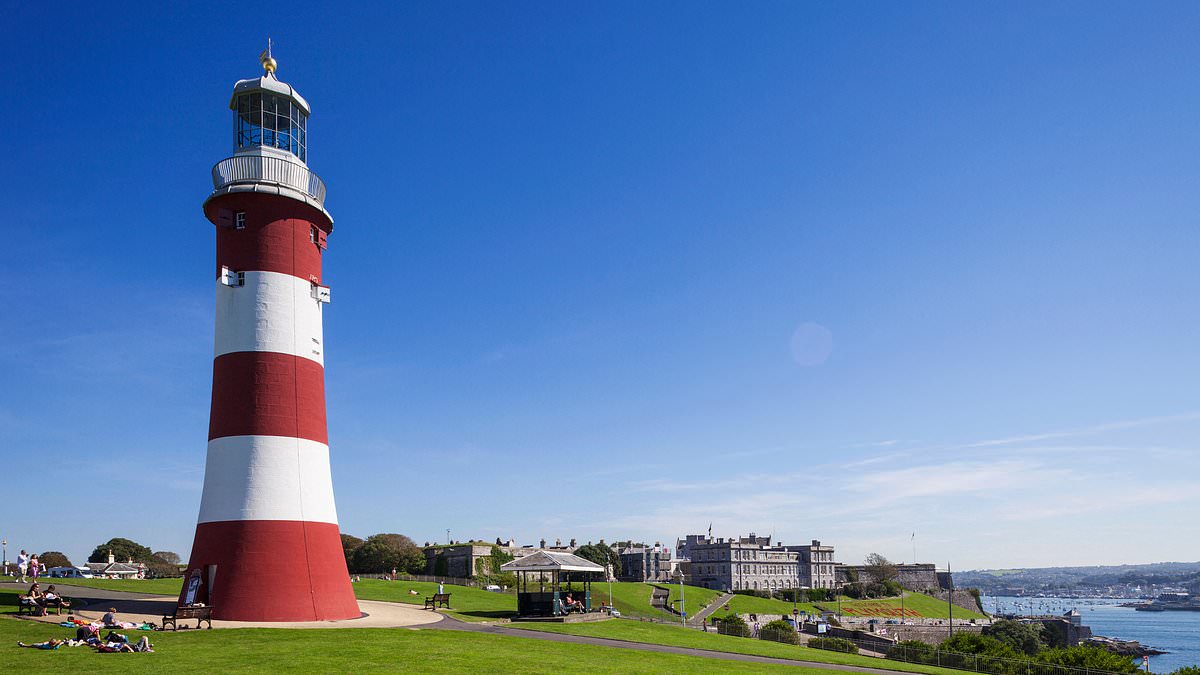
Published: 08:41 EDT, 30 October 2026 | Updated: 08:44 EDT, 30 October 2026 Thousands of holidaymakers flock to Cornwall and Devon every summer but most, in their eagerness to reach the beach, bypass Plymouth.They are missing out, though. Not just on its fascinating naval history but also now on the UK’s official top museum, The Box, which won this year’s prestigious Art Fund museum of the year award.Tourist chiefs are hoping the accolade will boost visitor numbers and encourage at least a few more beach junkies to drop in.But is it really worth the detour or, indeed, a visit in its own right? I began my weekend break at the new star of the show in its shiny, aptly box-shaped building. Previously the Plymouth City Museum and Art Gallery, The Box opened in 2020 after a big-budget revamp.It features historic exhibits connected to the port and local mining, Bronze Age artefacts and even an Ice Age woolly mammoth, named Mildred.There are submarine periscopes, model ships and exhibits explaining the lives of hard-working port ‘yardees’ of bygone times. Travel writer York Membery heads to Plymouth, Devon, to find out whether the coastal spot is worth a detour - or worthy of a visit in its own right Plymouth's The Box recently won the prestigious Art Fund museum of the year awardOne highlight was a Dawn French-narrated film on the city. Another was the Jules Girardet painting depicting sightseers rowing to see Napoleon, who was captive on HMS Bellerophon in Plymouth Sound in 1815 after the Battle of Waterloo.The Box’s airy, welcoming Kitchen & Bar was also a good place for a cuppa or a light lunch.Top museum ‘done’, I ambled to the jewel in Plymouth’s crown: Plymouth Sound, the inlet that has been a harbour since the building of the Plymouth Breakwater two centuries ago.To see the port from the water, I joined an hour-long harbour tour taking in the Sound, once-fortified Drake’s Island and the River Tamar, skirting the huge Devonport naval base.Then, I headed up Plymouth Hoe, the grassy high ground facing the Channel to enjoy the views, plus the statue of Sir Francis Drake, who set sail from this city before defeating the Spanish Armada in 1588. The Hoe is also home to Smeaton’s Tower, a Victorian-era lighthouse (93 steps to the top), and Tinside Lido, a 1930s Art Deco marvel restored to its original glory.Sadly, much of Plymouth was reduced to rubble by the Luftwaffe during Second World War raids and rebuilt in a brutalist concrete style. York Membery enjoyed the views afforded by climbing up Plymouth HoeLuckily, the Barbican neighbourhood escaped largely unscathed, and its narrow, cobbled streets are dotted with pubs and eateries, such as the Rockfish restaurant with superb cockles, crab croquettes and sea bream.This area is also home to the Mayflower Steps, where the Pilgrim Fathers boarded the Mayflower to sail to the New World in 1620, as well as the National Marine Aquarium, the UK’s deepest aquarium habitat with 5,000-plus marine animals.One unexpected delight was chancing upon life-sized sculptures inspired by paintings by Beryl Cook, who lived in the city.Plymouth is a fun spot, where the sea and the city feel almost at one. Well worth stopping by.
Is Plymouth finally on the up? Overlooked by tourists, this naval city has fascinating history, fresh seafood - and the UK's best museum
Full Article
Original Source
Read the full article at Dailymail →KhanList aggregates and links to publicly available news content. We do not host full articles from third-party sources. Always verify important information with original sources.