
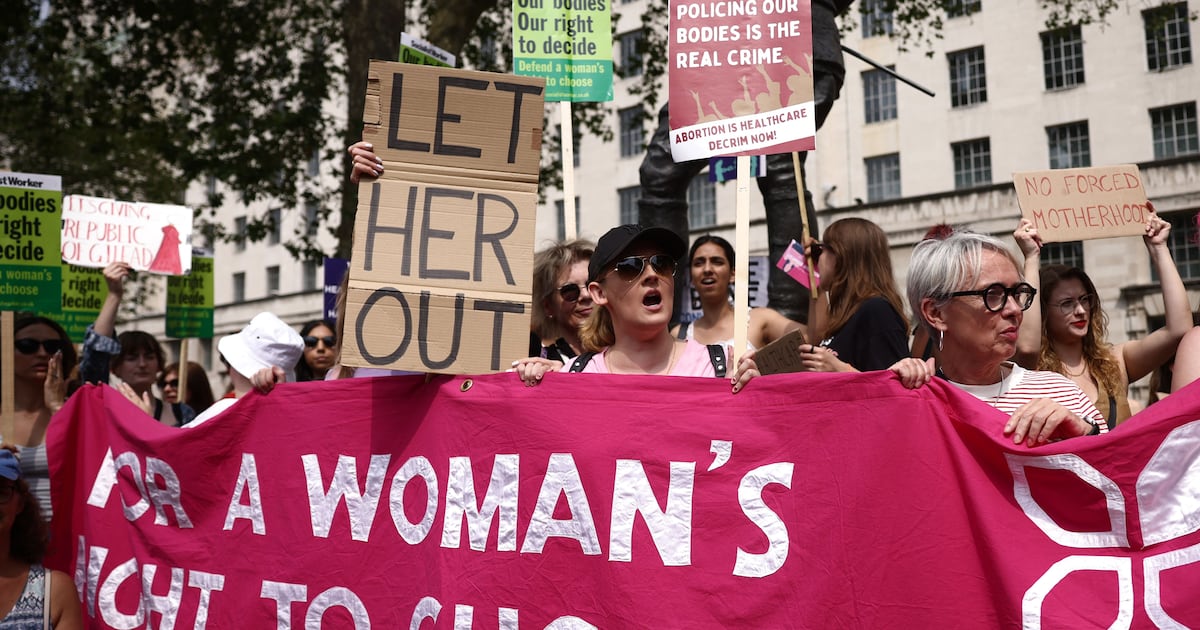
An Irish woman is among those who have been posthumously pardoned by the British government for a conviction over an illegal abortion in the late 19th century.The Crime and Policing Act 2026 expunges the records of all women who were convicted of an offence related to abortion. The pardons date from the Victorian era to the present day. Abortion was originally made illegal under the 1861 Offences Against the Person Act. That Act was still law in the Republic until the Regulation of Termination of Pregnancy Act in 2019 which was passed after the public voted to remove constitutional ban on abortion in the previous year’s referendum. READ MORECampaigners joined with women once convicted of illegal abortions in hailing a “historic day” after every woman who has faced criminal investigation in the UK for ending a pregnancy during the last 150 years was pardoned.Among those pardoned was Mary Jane Baynon from Co Sligo who was given three-month jail sentence with hard labour in 1891 when she travelled to London at the age of 32 seeking an illegal abortion. Baynon pleaded guilty to unlawfully inciting a doctor, William Yelveston Davenport, to procure a miscarriage for her. Described in newspaper reports at the time as a “respectably dressed woman” and a widow with children, Baynon travelled to London via the boat train to visit Davenport who was a qualified surgeon based in Pimlico, central London. Baynon told him that she heard of his services and she was prepared to pay a fee of £3. She also told him that she had had an abortion before. Davenport said he refused to carry out an abortion and contacted the police who arrested Baynon. In June last year, the House of Commons voted to decriminalise women terminating their own pregnancy.Since the Crime and Policing Act came into force in April, it has no longer been a criminal offence for a pregnant woman to terminate her own pregnancy at any stage.The British government has decided to apply that legislation retrospectively to women who have been prosecuted in the past for having had an abortion. Under the change, which comes into effect under the Crime and Policing Act, police forces and the courts are expected to update their records, with women not required to apply for pardons or take any action.The UK ministry of justice has not confirmed the number of women affected but UK Labour MP Tonia Antoniazzi, who sponsored the original legislation, said she believed it will be more than 100. It includes posthumous pardons such as the one for Mary Jane Baynon.Antoniazzi criticised the old law for having resulted in women being “treated as suspects, dragged from hospital beds to police cells” and that they had been “met with interrogation and suspicion in moments of crisis where they should have been met with care, and dragged into the criminal justice system”.UK Royal College of Obstetrics and Gynaecology president Dr Alison Wright said the pardons “recognise the injustice of historical convictions and mean women no longer have to live with the consequences of a criminal record for something that should never have been treated as a crime”.Dr Jonathan Lord, consultant gynaecologist and co-chair of the college’s abortion taskforce, deemed it “a historic day”.“For the first time since the 13th century, women who have been convicted following a pregnancy loss for an alleged abortion will no longer have to carry the consequences of a criminal record,” he said.
Irish woman among those posthumously pardoned for illegal abortion conviction in UK
Full Article
Original Source
Read the full article at Irishtimes →KhanList aggregates and links to publicly available news content. We do not host full articles from third-party sources. Always verify important information with original sources.