
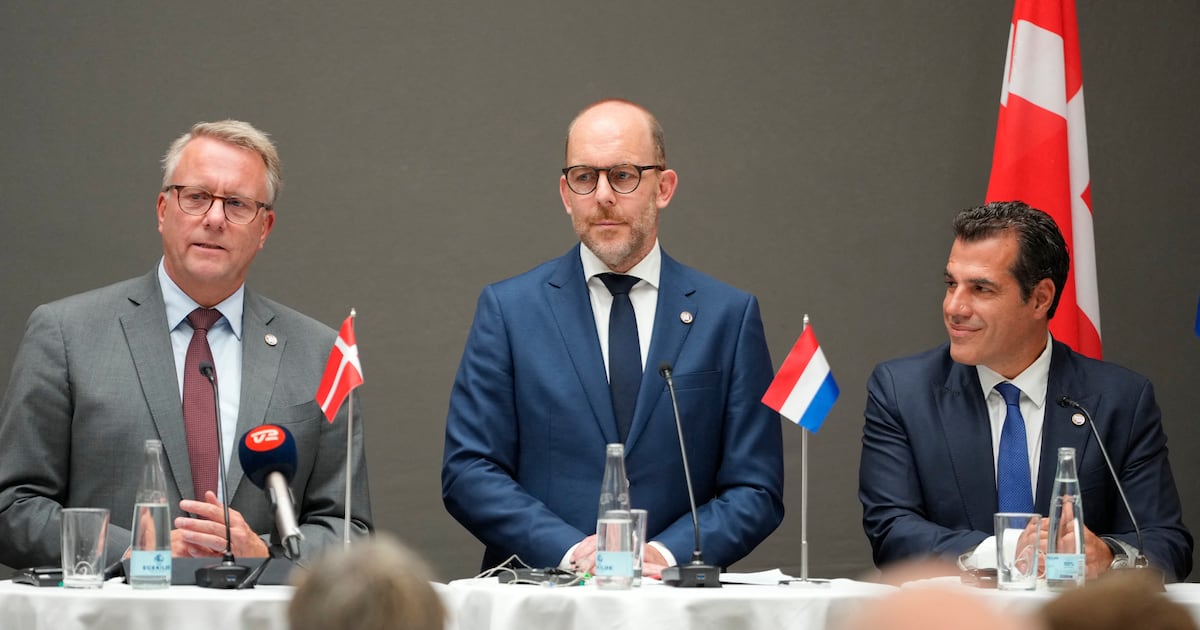
Nigerian migrants living in Ireland without status would be swiftly returned to their home country under a new European Union migration pact that the Government is set to sign up to. Minister for Justice Jim O’Callaghan wants the Cabinet to agree to join a “readmission” agreement between the EU and Nigeria as part of a plan to prioritise returns to the west African country. Nigeria is consistently one of the main countries of origin for people applying for international protection in Ireland. If approved by the Cabinet next week, the new migration pact would represent a much stronger returns arrangement than Ireland’s pre-existing 2001 agreement with Nigeria. This bilateral agreement was never formally ratified by the African country, though the Government believes there has been good co-operation from Nigerian authorities. Following more than a decade of negotiation, the EU earlier this year signed a new readmission and returns agreement with Nigeria, which could see thousands of Nigerians who are either economic migrants or unsuccessful asylum seekers sent back to their country of origin. The deal, which will affect Nigerian nationals who no longer have the legal right to enter, stay, or reside in the EU, was agreed after Nigeria was offered greater access to the EU market and €288 million in healthcare funding. Nigeria will now be under fresh obligations to accept the swift return of their own nationals from EU member states. READ MOREThe EU had said the agreement included safeguards on human rights, data protection, governance and monitoring. According to the agreement, both the EU and Nigeria will commit to protecting the rights of people returned under the agreement – which also facilitates the returns of EU migrants from Nigeria. It is understood the Department of Justice expects the migration pact, if agreed by the Government, to speed up the enforcement of returns decisions against Nigerian migrants. It also expects the migration deal to encourage Nigeria to enhance their migration controls. Ireland does not automatically sign up to EU justice and home affairs measures, but it has three months after such proposals are published to opt-in. The EU and Nigeria agreement was formally published on July 8th this year, giving Ireland until October 8th to agree to take part. It comes as five EU states plan to sign deals this year to send migrants without legal residency to countries outside the EU. Though no countries have been named officially, Uganda and Rwanda are reportedly in talks.[ Italy’s Giorgia Meloni faces a challenge from the rightOpens in new window ]Germany, Austria, Greece, Denmark and the Netherlands said they had agreed on concrete steps towards a deal with a non-European Union country on return facilities.The countries, known as the “group of five”, did not name the nations they expect to host return centres.Danish migration minister Morten Bødskov made the promise to have return centres up and running next year as he hosted his counterparts in Copenhagen on Friday.Taoiseach Micheál Martin said in July that the Government had “no immediate plans” to join such a scheme and was instead focused on expediting asylum procedures in Ireland.Notably absent from Friday’s meeting was Italy, in recent months a close partner of Denmark in robust migration responses. The Italian government is locked in dispute with the courts over the legality of sending migrants to detention hubs in Albania.Though any final court ruling may differ, Italian prime minister Giorgia Meloni said this non-binding opinion confirmed the “validity” of her government’s approach.EU migration commissioner Magnus Brunner also attended Friday’s meeting. Though the commission is open to proposals for a common project in line with EU law and international standards, it has warned of considerable legal hurdles.The five countries, all facing continuing pressure to reduce asylum numbers, say their project draws on powers provided by new EU asylum arrangements which came into effect in June. But the idea of such facilities – variously called return hubs and exit centres – has been criticised by human rights groups. The Council of Europe, a non-EU body that promotes human rights and rule of law, said return hubs posed “considerable human rights risks”, including ill-treatment and arbitrary detention.
Ireland set to join EU-Nigeria ‘migrant returns’ pact
Full Article
Original Source
Read the full article at Irishtimes →KhanList aggregates and links to publicly available news content. We do not host full articles from third-party sources. Always verify important information with original sources.