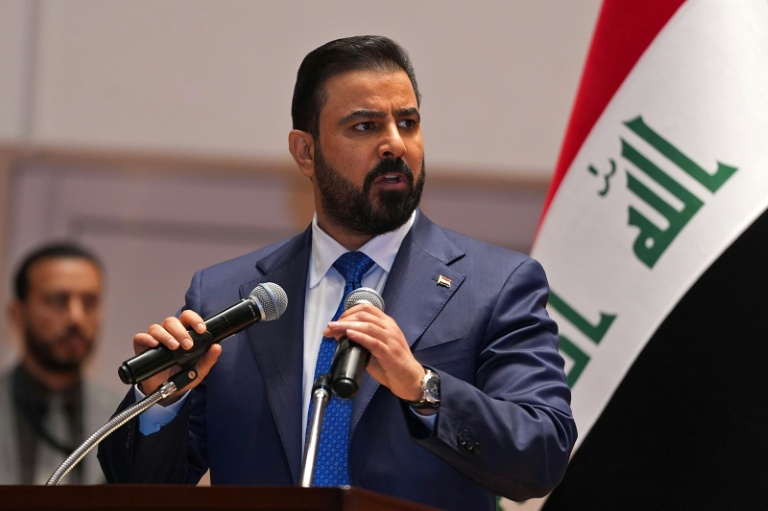
Baghdad (IraqiNews.com) — Iraqi Prime Minister Ali al-Zaidi has returned from a series of high-profile diplomatic visits promising billions of dollars in investment, infrastructure, and energy projects, but analysts say his ability to keep those promises may be dependent on one issue that has long plagued successive governments: the power of Iran-aligned armed groups. Al-Zaidi’s recent visit to Washington resulted in deals with US corporations in energy, finance, aviation, manufacturing, and technology, bolstering Baghdad’s efforts to diversify its economy away from oil and attract international investment. He then traveled to Tehran, where Iraq and Iran inked transportation and railway deals, and he is slated to continue regional diplomacy with trips to Turkey and Saudi Arabia. The government’s approach reflects an attempt to present Iraq as a link between regional adversaries, encouraging investment from both Western and neighboring nations. However, recent security events have highlighted the hazards to that agenda. Saudi Arabia claimed recently that it intercepted drones fired from Iraqi territory and blamed them on Iran-backed militias, just days before Al-Zaidi is set to visit the country for meetings with Crown Prince Mohammed bin Salman. Iraqi officials have not officially addressed the allegations, and no organization has claimed responsibility. The episode underlines one of Al-Zaidi’s most significant challenges: imposing state control over armed groups who operate outside the Iraqi government’s official chain of command. While many armed organizations are technically affiliated with Iraq’s Popular Mobilization Forces, others have operated autonomously, notably in regional conflicts involving Iran, the United States, and Israel, complicating Baghdad’s attempts to maintain a balanced foreign policy. According to analysts, international investors are constantly monitoring Iraq’s security situation as well as the government’s capacity to implement the rule of law. Continued strikes from Iraqi territory risk harming Baghdad’s attempts to position the country as a secure foreign investment destination as well as a regional logistics and energy center. Since entering office, Al-Zaidi has attempted to strengthen connections with the United States, Gulf Arab nations, Iran, and Turkey, reflecting Iraq’s goal of balancing relations with rival regional powers while prioritizing economic growth. Whether those economic goals are translated into persistent investment may be determined by the government’s ability to prevent Iraqi land from being exploited in regional conflicts and establish that the state, not armed groups, has the last say in Iraq’s security and foreign policies. For Al-Zaidi, it might be the defining test of his leadership.
Iraq’s PM faces toughest test as militia challenge clouds reform agenda
Full Article
Original Source
Read the full article at Iraqinews →KhanList aggregates and links to publicly available news content. We do not host full articles from third-party sources. Always verify important information with original sources.