
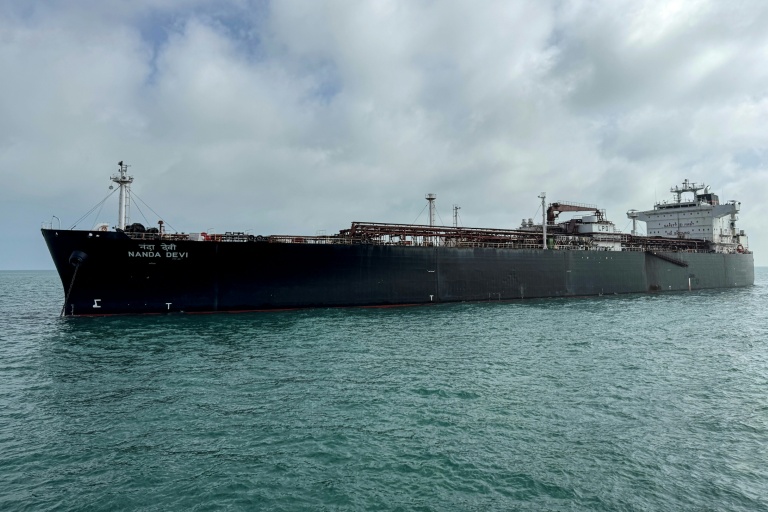
The ‘Nanda Devi’, an Indian ship carrying liquefied petroleum gas (LPG) which Iran allowed to pass through the Strait of Hormuz last month Baghdad (IraqiNews.com) – Shipping activity through two of the world’s most critical maritime chokepoints has slowed sharply following renewed security concerns in the Middle East, according to new data from maritime analytics firm Kpler. The latest figures show vessel traffic through both the Bab el-Mandeb Strait and the Strait of Hormuz has fallen to its lowest levels in months, as shipping companies remain cautious despite changing regional dynamics. According to Kpler, traffic through the Bab el-Mandeb Strait slowed significantly after Houthi forces launched attacks on Saudi Aramco oil facilities in Jizan and Yanbu. The attacks have added fresh uncertainty to Red Sea shipping routes, prompting many operators to reassess transit schedules and security risks. The Red Sea remains one of the world’s busiest energy corridors, making any disruption closely watched by global oil markets. Shipping activity through the Strait of Hormuz also remained subdued, even after direct military strikes between the United States and Iran came to a halt. Kpler data shows vessel movements stayed limited over the weekend, reflecting continued caution among shipping companies despite the easing of immediate hostilities. Security concerns continue to influence routing decisions, insurance costs, and freight rates across the Gulf. Despite the ongoing maritime disruptions, Iraq’s oil exports continue to move through the Strait of Hormuz. According to Kpler, two Very Large Crude Carriers (VLCCs) carrying Iraqi and Emirati crude successfully transited the strategic waterway on Friday as part of outbound shipments from the Gulf. The movements indicate that Iraqi crude exports are continuing, although regional security risks remain elevated. Several additional oil tankers departed the Red Sea carrying Saudi, Emirati, and Russian crude destined for China. Another tanker loaded with Saudi crude also departed for Pakistan, highlighting that regional energy exports continue despite heightened security concerns. However, markets remain focused on whether prolonged disruptions could tighten global energy supplies and push shipping costs even higher. The combined slowdown in Bab el-Mandeb and Hormuz underscores the growing impact geopolitical tensions are having on global trade. Both waterways are vital for international energy supplies, and prolonged instability could reshape shipping patterns, increase transportation costs, and place additional pressure on global oil markets. For Iraq, maintaining uninterrupted crude exports through Hormuz remains critical, as oil revenues continue to account for the vast majority of government income.
Iraqi oil exports continue as Red Sea and Hormuz shipping slows
Full Article
Original Source
Read the full article at Iraqinews →KhanList aggregates and links to publicly available news content. We do not host full articles from third-party sources. Always verify important information with original sources.