Baghdad (IraqiNews.com) — Three months after the United Arab Emirates officially withdrew from OPEC and the broader OPEC+ alliance on May 1, 2026, the producer coalition has maintained its technical cohesion. However, analysis by European foreign policy journal Modern Diplomacy—monitored by IraqiNews.com on Sunday, August 9, 2026—identifies Iraq as the most critical test for the group’s long-term survival. While OPEC+ successfully unwound its 1.65 million barrels per day (bpd) voluntary production cuts—capped by a sixth consecutive monthly increase of 188,000 bpd scheduled for September 2026—the structural friction that prompted Abu Dhabi’s departure has shifted directly to Baghdad. Prime Minister Ali Falih al-Zaidi’s administration faces growing internal pressure to expand Iraq’s crude output to fund post-war reconstruction, raising strategic questions over its baseline quota within the cartel. Key Operational Metrics & Market Analysis The UAE Precedent: Abu Dhabi exited the alliance after investing $150 billion to expand production capacity to 5 million bpd, clashing over its restricted 3.5 million bpd quota. The move reduced OPEC’s global crude market share to approximately 31%. The Iraqi Baseline Crisis: As OPEC’s second-largest producer (~4.4 million bpd target) and a founding member, Iraq initially signaled in June that it was evaluating its relationship with OPEC. Though the Ministry of Oil later clarified it has “no current intention” to leave, Baghdad continues to press for higher production allowances matching its full output potential. September Output Allocations: Under the August 2 OPEC+ agreement, the alliance’s top producers approved a final 188,000 bpd monthly bump for September. Allocation breakdowns from August targets show Saudi Arabia at ~10.4 million bpd, Russia at ~9.9 million bpd, and Iraq at ~4.4 million bpd. Market Impact: Brent crude stabilized in the $84–$90 per barrel range in early August, driven primarily by residual war-risk premiums near the Strait of Hormuz rather than cartel fragmentation fears. Energy analysts at the Middle East Institute and UBS note that while OPEC+ avoided an immediate breakdown, several member nations are struggling to hit new production targets due to aging infrastructure and regional transit bottlenecks caused by the recent closure of the Strait of Hormuz. For Iraq, remaining within OPEC+ maintains market discipline during volatile price swings. However, market observers caution that if the gap between Iraq’s rising production capability and its designated quota widens further, Prime Minister al-Zaidi may face renewed domestic pressure to demand a baseline overhaul—a scenario that would present a far greater threat to the cartel’s foundation than the UAE’s exit.
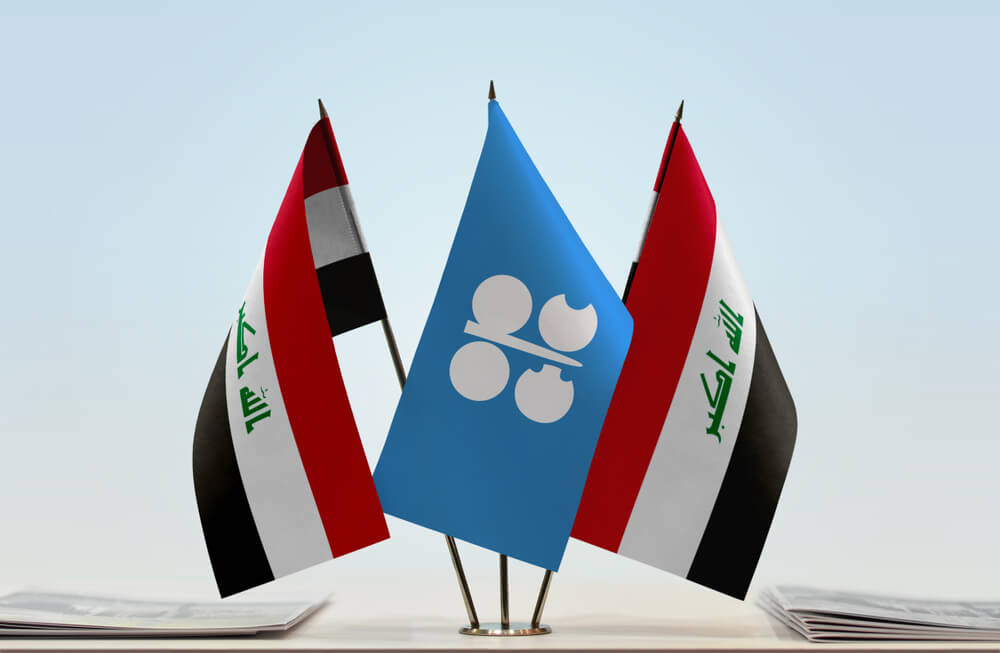
Iraq poses ultimate test for OPEC+ cohesion following UAE exit
Full Article
Original Source
Read the full article at Iraqinews →KhanList aggregates and links to publicly available news content. We do not host full articles from third-party sources. Always verify important information with original sources.