
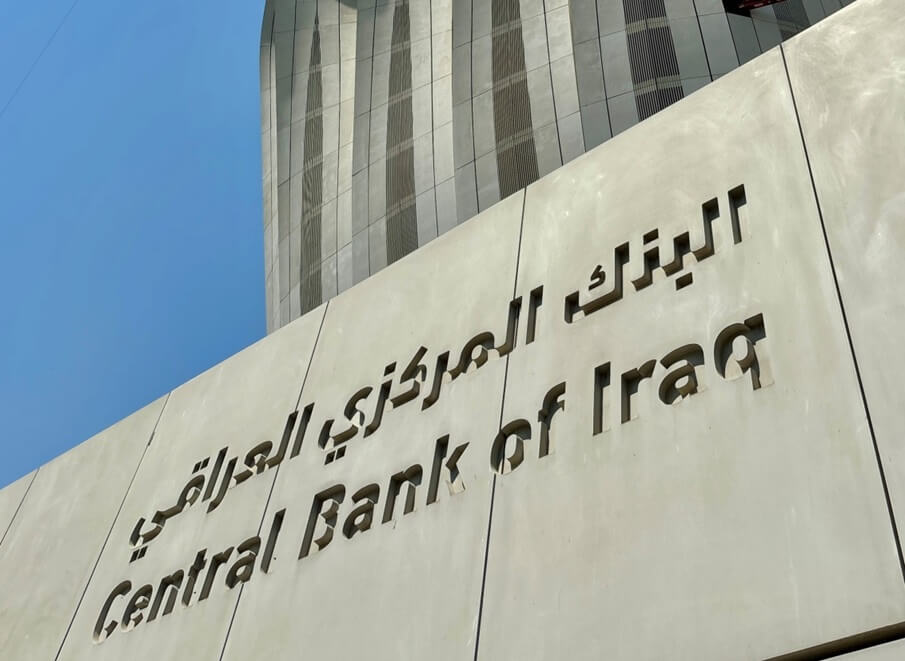
The new headquarters of the Central bank of Iraq (CBI). Photo: Zaha Hadid Architects Baghdad (IraqiNews.com) – The Iraq liquidity crisis should not be interpreted as a sign that the country is running out of money or facing bankruptcy, according to government financial adviser Mazhar Mohammed Salih. He emphasized that the Iraqi government retains sufficient financial and administrative tools to continue paying salaries and meeting its core obligations despite ongoing cash flow pressures. Speaking to Shafaq News on Tuesday, Salih explained that the current challenge stems from timing mismatches between oil revenues entering the treasury and the government’s monthly expenditure commitments, particularly public sector salaries. Salih stressed that Iraq’s financial pressures are primarily linked to liquidity management rather than a shortage of national wealth. According to him, the government’s current challenges include: Timing differences between oil revenue receipts and monthly spending obligations. High levels of public expenditure. Continued expansion of public sector employment. Weak non-oil revenues. Regional tensions affecting trade and oil exports. He said these factors have created temporary liquidity pressures but do not indicate a severe financial crisis. The financial adviser said the government can continue paying salaries and maintaining essential public services through several financial management tools. These include: Efficient liquidity management. Prioritizing essential expenditures such as salaries. Rescheduling non-urgent investment projects when necessary. Improving tax and fee collection. Reducing financial waste. Increasing non-oil government revenues. Salih also noted that domestic or external borrowing remains available if required, provided borrowing remains within safe public debt limits and supports financial stability. Looking ahead, Salih said Iraq must accelerate long-term economic reforms to reduce dependence on oil revenues. He highlighted several priorities: Diversifying oil export routes. Developing transportation and energy infrastructure. Expanding non-oil revenue sources. Building a more resilient economy capable of absorbing regional and global shocks. He concluded that sustainable financial stability cannot rely solely on oil income and will require broader economic diversification and structural reforms.
Iraq liquidity crisis does not mean bankruptcy, says government financial adviser
Full Article
Original Source
Read the full article at Iraqinews →KhanList aggregates and links to publicly available news content. We do not host full articles from third-party sources. Always verify important information with original sources.