
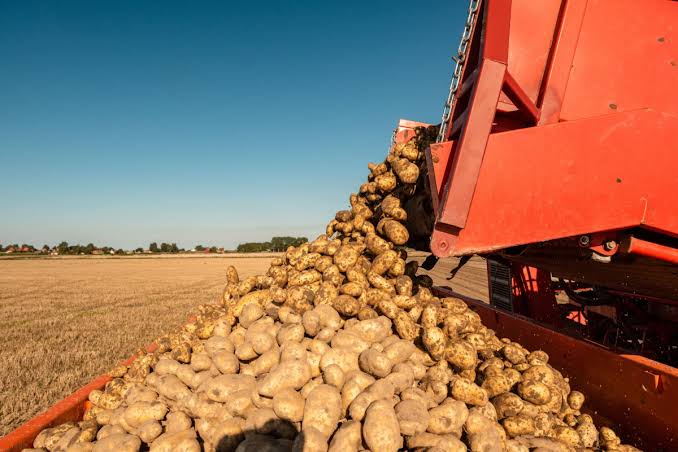
Potato harvesting and agricultural production. Photo By: CABI.org Baghdad (IraqiNews.com) — Iraq imported approximately 90,000 tonnes of potatoes valued at $52.4 million in 2025, according to specialized agricultural market data from IndexBox, highlighting a structural gap in domestic agricultural supply chains and food security planning. Economic researcher Ali Karim Idheeb stated on Monday, August 31, 2026, that trade volumes across core vegetable crops demonstrate that domestic output remains vulnerable to seasonal volatility, regional price shocks, and supply disruptions. Trade Figures and Regional Sourcing 2025 Potato Import Totals: ~90,000 tonnes with an aggregate import value of $52.4 million. Primary Source Markets: The Iraqi market relies predominantly on regional agricultural exporters, led by Iran, Egypt, and Turkey. Price Transmission Factors: Consumer prices in Iraqi wholesale markets are directly influenced by freight logistics, climate shocks affecting export yields, and input pricing within supplier countries. Economic Opportunity: The $52.4 million import bill represents capital that could be retained within the domestic economy through targeted investments in post-harvest cold storage, yield optimization, and certified seed propagation. Idheeb noted that trade data for tomatoes illustrates how policy shifts and domestic yields cause extreme shifts in import volumes: Metric / TimelineFresh Tomato ImportsCore Drivers & Market Dynamics2021 Peak Imports~350,000 tonnesHeavy domestic deficit; Iraq ranked among top global importers alongside Russia and Pakistan.2023 Low Imports~13,000 tonnes (–94.9%)Surge in seasonal local harvest coupled with strict temporary import bans.Trade ClassificationFresh vs. ProcessedDistinct trade channels; processed pastes and sauces remain largely imported. Idheeb emphasized that relying strictly on administrative border closures is insufficient to protect local agriculture without simultaneous investments in supply chain infrastructure: Cold Storage & Post-Harvest Losses: Establishing refrigerated warehouse networks is vital to absorb seasonal harvest gluts and distribute produce evenly throughout off-season months. Agronomic Productivity: Modernizing drip irrigation and certified seed technologies to increase yield per dunam and lower production costs relative to imported produce. Predictable Policy Environment: Developing predictable trade schedules that give local farmers confidence to scale production while avoiding sudden consumer price spikes.
Iraq imported $52.4M in potatoes in 2025: Expert urges supply chain reforms
Full Article
Original Source
Read the full article at Iraqinews →KhanList aggregates and links to publicly available news content. We do not host full articles from third-party sources. Always verify important information with original sources.