
In May of 2025, my Ukrainian business partner passed along a warning: If I didn’t stop pitching our proposed infrastructure security contract, we would both be killed. This was not my first death threat. Attempts at intimidation are to only be expected in my line of work, which includes providing security in war zones. When your business involves protecting nuclear material near ongoing combat, you expect to live with a certain level of danger. But the corruption and mob-style skullduggery in Ukraine are an absolute disgrace: This is a European country engaged in a war for its very survival — and the beneficiary of well over $100 billion in American aid. Since the Russian invasion, it’s no secret that Ukraine is rife with corruption. Money laundering there has been on the public radar screen since President Trump was impeached in his first term for a phone call urging Ukrainian President Volodymyr Zelensky to investigate the Bidens’ role in the firing of a Ukrainian prosecutor who was threatening to crack down on the corruption. (Trump would defend it as a “perfect phone call.”) But the scale of the dishonesty is not generally understood. Nor is the utter dysfunction of the Ukrainian government. Corruption and intimidation are the Ukrainian way of doing business. In the summer of 2021, just before Russia invaded, I was working in Kyiv with my Ukrainian business partner. I flew out of the country, and then, just few days after I had left, my business partner was seized off the street by the SBU (Security Service of Ukraine) in a SWAT-style arrest. No charges were ever filed against him. It was just a warning. Later in 2025, Energoatom’s infrastructure protection contracting for its nuclear power plants was at the center of a corruption scandal that forced the resignation of Zelensky’s chief of staff. Contractors were having to pay kickbacks of 10 to 15 percent on contracts. Organized crime and the Zelensky regime are intertwined to such a degree that it is hard to separate the two. Without the right “middleman,” you cannot get a government contract. A few courageous whistleblowers are witnesses for the National Anti-Corruption Bureau of Ukraine (NABU) — which explains Zelensky’s attempt to take control of NABU. Meanwhile, Ukrainians’ lack of trust in the Zelensky government is gravely undermining Ukraine’s war effort. Ukraine is in a fight for its life against Russia, its age-old existential enemy. And yet military recruiting in Ukraine is at disastrous, strategically debilitating levels. There is only one way to rebuild the Ukrainians’ confidence in their government, revive military recruiting, and put Ukraine in a position to win the war. Ukraine must hold the long-overdue presidential election that would be a referendum on the Zelensky government, its corruption, and its failure to defend the country effectively against the Russians. First of all, let’s clear up the misinformation about Volodymyr Zelensky’s standing as the legitimate leader of Ukraine. He was originally elected in 2019 for a five-year term. But when it came time for Zelensky to stand for re-election in 2024, the country was at war with Russia and under martial law, and the election was suspended. But contrary to what is generally understood, the Ukrainian constitution does not prohibit presidential elections during a time of martial law. For years, media reports and even the Institute for the Study of War incorrectly claimed that it does. In fact, while the Ukrainian constitution does mandate the postponement of parliamentary elections during martial law, it says nothing about suspending presidential elections. The supposed legal justification for postponing the presidential election is a legislative act of the parliament. But the legislature has no authority to unilaterally amend the constitution. And in any case, the constitution explicitly forbids any amendments in a time of martial law. If Ukraine had a functioning constitutional court, then the parliamentary statute on presidential elections would be ruled invalid. With his term extended now more than two years beyond the constitutionally mandated election date by a Ukrainian parliament completely dominated by his own party, Zelensky is an illegitimate president. There have been successful elections in conflict zones with conditions as bad as or worse than Ukraine today. Consider the 2005 election in war-torn Iraq, where the average citizen was arguably at greater risk in voting (and was certainly much less educated in democracy) than the Ukrainians today. This first-ever countrywide democratic polling in Iraq took place during a bloody insurgency seriously affecting the capital, Baghdad, and in fact, the entire country, aside from Kurdistan. One has only to recall the courageous pride on the faces of the Iraqis walking back home after voting, holding up their fingers stained with the purple indelible ink to ensure no one voted twice, to know what is possible. The historic election was certified by the United Nations as “an immense success.” And the presidential election that the Ukrainian constitution mandates has much fairer prospects. Ukraine is a European nation with Western institutions. The country is threatened not by dual insurgencies fueled by internal factions like the Sunni and the Shia in Iraq but by an external foe. Everything else required is process, pure and simple. Ukraine can get this done. And the moral high ground held by democracies is a force multiplier underscoring tried and true military logic: When it comes to winning wars, the moral to the material is three to one. The lack of patriots willing to serve in the Ukrainian armed forces is a clear cost of blatantly abusing the constitution’s limitations on presidential power. The lack of a legal mandate is undermining Ukraine’s defense. Ukrainians don’t want to risk their lives, or those of their children, for a morally corrupt government. Can you imagine if Abraham Lincoln or FDR had cancelled elections on the excuse that America was fighting to survive? Talk about an incentive for endless war. The author, who has been intimately connected with Ukraine since 1991, writes anonymously because of death threats against his Ukrainian colleagues. This byline marks several different individuals, granted anonymity in cases where publishing an article on The Federalist would credibly threaten close personal relationships, their safety, or their jobs. We verify the identities of those who publish anonymously with The Federalist. BidenCorruptionElectionsIraqRussiaUkraineUkrainian corruptionvotingwarZelensky
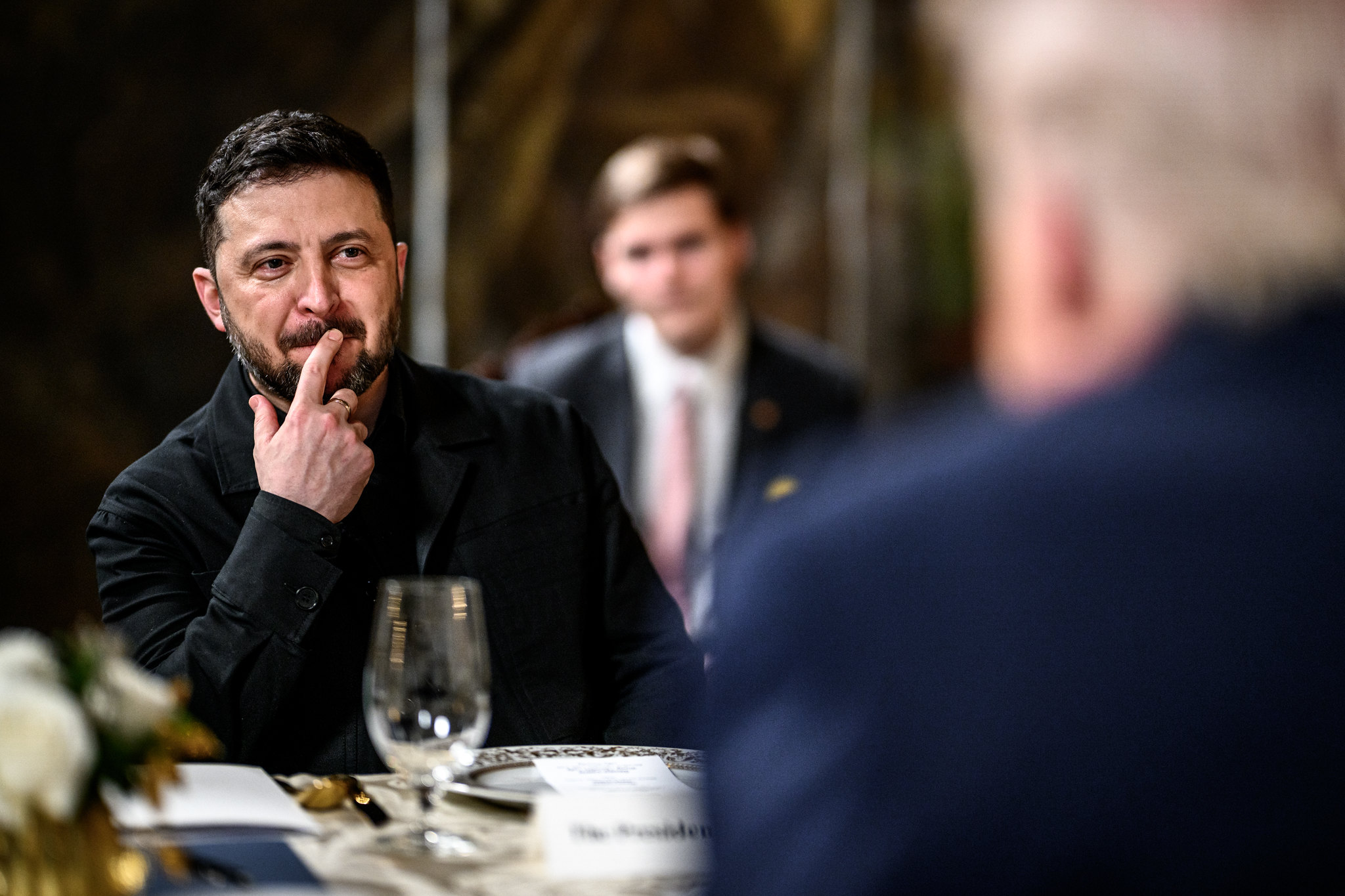
Iraq Held An Election In A War Zone. Why Hasn’t Ukraine?
Full Article
Original Source
Read the full article at Thefederalist →KhanList aggregates and links to publicly available news content. We do not host full articles from third-party sources. Always verify important information with original sources.