
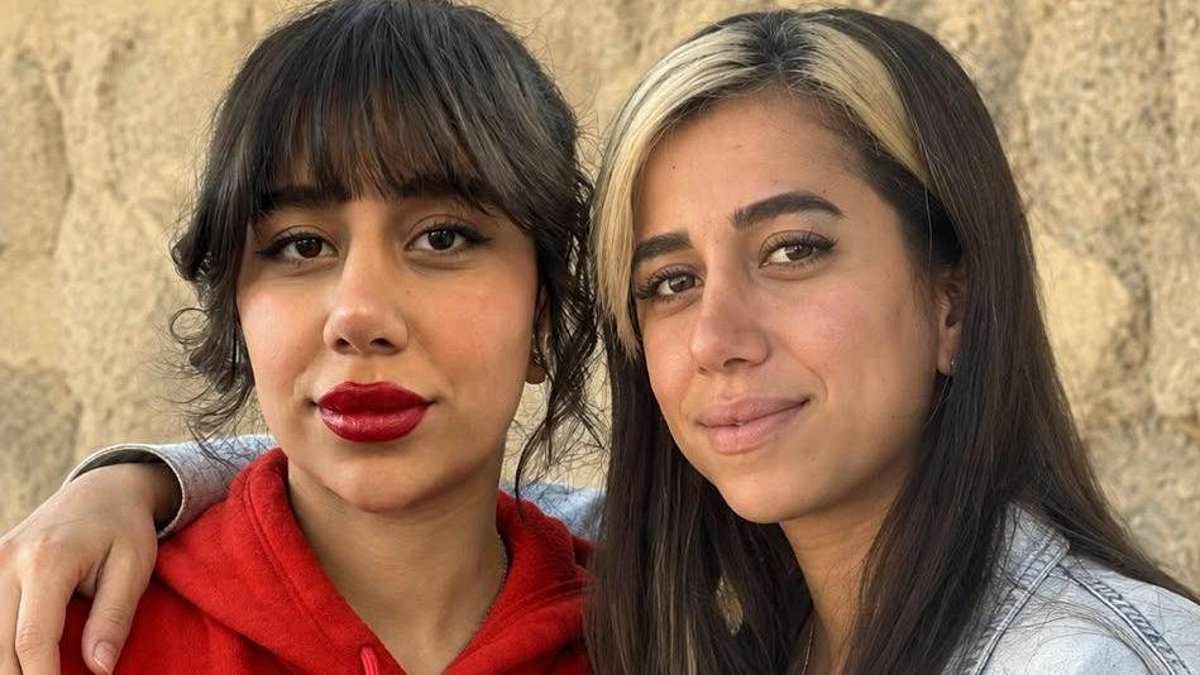
An Iranian woman on death row was forced to sign a baseless confession after enduring torture from her interrogators, according to her family.Twenty-one-year-old Taraneh Rahimi was also threatened that her sister would be raped in front of her if she didn't confess.Taraneh and her twin sister Romina were arrested after joining the anti-government protests that swept Iran in January. In recent weeks, she has been so severely beaten that she is unable to walk properly, and an ear infection caused by an untreated head injury has affected her balance, her cousin Masoud Nourmohammadi told BBC News Persian. When the twins' mother first saw them in jail, their faces were so swollen and bruised, and their hair pulled out, that she could only recognise them by their voices, Nourmohammadi added.Taraneh is one of six women who have been sentenced to death this year in connection with the demonstrations, according to the UN's human rights rapporteur for Iran, Mai Sato.While the number for men is much higher, women protesters and dissidents are being sentenced to death in numbers not seen for decades as part of a horrifying surge in politically motivated executions across the Islamic Republic.The twins' lawyers have reportedly submitted a complaint alleging they were tortured and sexually abused during interrogation, but the investigation into it is being overseen by an official they accuse of torture. Taraneh (left) and Romina both say they gave baseless confessions after being tortured by interrogators in custody Twin sisters Romina (left) and Taraneh Rahimi were arrested in late January after taking part in Iran's anti-government protests Taraneh, who has ambitions of running her own horse stable in the future, was allegedly told that prison guards would rape Romina in front of her unless she signed a confessionThe Iranian embassy in London told the BBC that claims of an increase in the use of the death penalty in demonstration-related cases were 'misleading'.It categorically rejected allegations of the use of torture and any claims that the death penalty has been imposed solely for peaceful protest, which it said is a 'legitimate, and protected right'.It said death sentences in relation to the 'riot in January 2026' were delivered in cases involving 'intentional murder' or 'Moharebeh (the taking up of weapons with the intent to threaten or wreck the people's lives or property)'.Taraneh and Romina were snatched from their beds by masked men sent by the Islamic Revolutionary Guards Corps (IRGC) in the dead of night after joining the anti-regime protests two weeks earlier.Now, Taraneh has been sentenced to death by hanging, and Romina has been given a 25-year prison sentence.After they were taken, their mother, Marzieh Nourmohammadi, spent an agonising four months desperately trying to find her daughters.The women were unrecognisable by the time of their mother's first visit to Dowlatabad prison in Isfahan in May.Their scalps were patchy from being dragged around by their hair, while their faces appeared bruised.Neither of the women has been seen by their family since they were handed their sentences. The sisters were tried over protests in Isfahan, in an area of the city where a member of the IRGC security force was killed. The BBC cited a sentencing document which said Taraneh was convicted of moharebeh, which is a capital offence under Iran's Islamic Penal Code. The offence included 'drawing a bladed weapon with the intent to endanger people's lives', according to the document. Romina was sentenced to 25 years in prison for the lesser charge of aiding and abetting moharebeh, according to Sato, the UN rapporteur. But Masoud, who has been in contact with relatives and others in Iran familiar with the case, says both women deny all the charges against them and that there is no evidence Taraneh had a 'bladed weapon'.Sato claims the sisters were part of a case in which 10 Iranians were sentenced to death, but that there was 'no clarification of the acts attributed to each individual'.Amnesty International has called the charges against the twins 'politically motivated.' Masoud says the family are trying as best they can to support the sisters.The January protests in Iran were triggered by the country's deepening economic crisis and quickly escalated into calls for the overthrow of Supreme Leader Ayatollah Ali Khamenei, who was later killed in the opening US-Israeli strikes.The crackdown was the deadliest carried out by the Islamic Republic in its 47-year history.HRANA, which relies on a network of contacts inside Iran, says more than 7,000 people were killed and that it is investigating thousands more cases. It said over 50,000 were arrested in just over six weeks. The government has acknowledged that more than 3,000 people were killed.At the height of the protests, Iranian authorities signalled that fast trials and executions lay ahead.
Iranian woman, 21, is sentenced to death after being tortured so badly her mother could not recognise her and told to 'confess' or be made to watch her sister being raped
Full Article
Original Source
Read the full article at Dailymail →KhanList aggregates and links to publicly available news content. We do not host full articles from third-party sources. Always verify important information with original sources.