
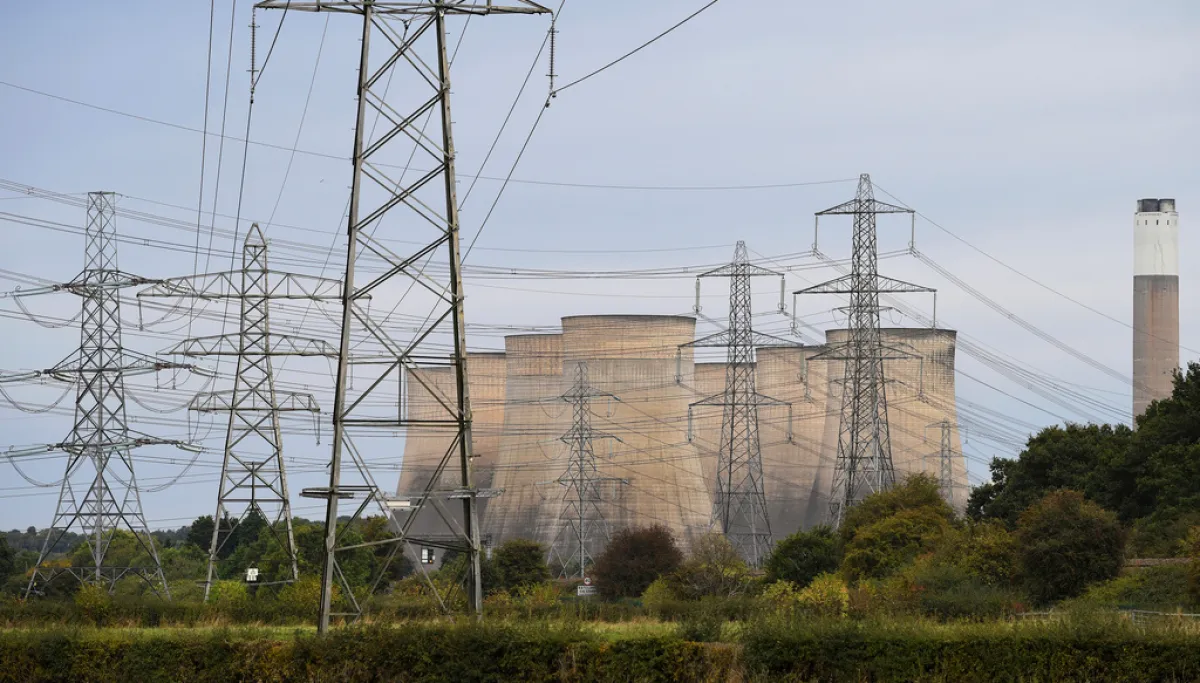
Hackers affiliated with Iran managed to disable a small-scale power plant in the United Kingdom for four days, according to a new report.The cyberattack is believed to be the first successful attempt at shutting down an energy facility in Britain and is thought to be the most successful of its kind, the Telegraph reported on Saturday. However, the facility’s outage had little to no impact on the rest of the nation’s power supply or energy generation.“The U.K. has a highly resilient energy system,” a spokesman for the British government told the newspaper. “We work closely with the energy sector to protect infrastructure and ensure the highest security standards. This story refers to an incident impacting a small-scale energy generator, and at no point was there a risk to the wider energy system.” It is unclear which power plant was disabled, as British officials did not disclose that information to the Telegraph due to security concerns.Earlier this year, the U.K. agency responsible for monitoring cyberattacks told businesses to prepare for cyber operations after Britain backed the United States in its war against Iran. The U.K. has not directly participated in the conflict, but British forces have shot down Iranian missiles and drones aimed at their allies in the region.The reported incident comes as the U.S. war with Iran continues, and peace talks remain at a standstill.DOJ CHARGES 17 WITH CYBER THEFT ON BEHALF OF IRANIAN GOVERNMENTLast month, U.S. officials revealed that Tehran may have been behind a coordinated hacking campaign that targeted water infrastructure in at least 12 states. Minnesota was one of the states that drew much attention in the media.The recent U.K. cyberattack occurred around the same time as the hacking campaign against U.S. drinking and wastewater treatment facilities, according to the Telegraph.
Iranian hackers disabled UK power plant for four days: Report
Full Article
Original Source
Read the full article at Washingtonexaminer →KhanList aggregates and links to publicly available news content. We do not host full articles from third-party sources. Always verify important information with original sources.