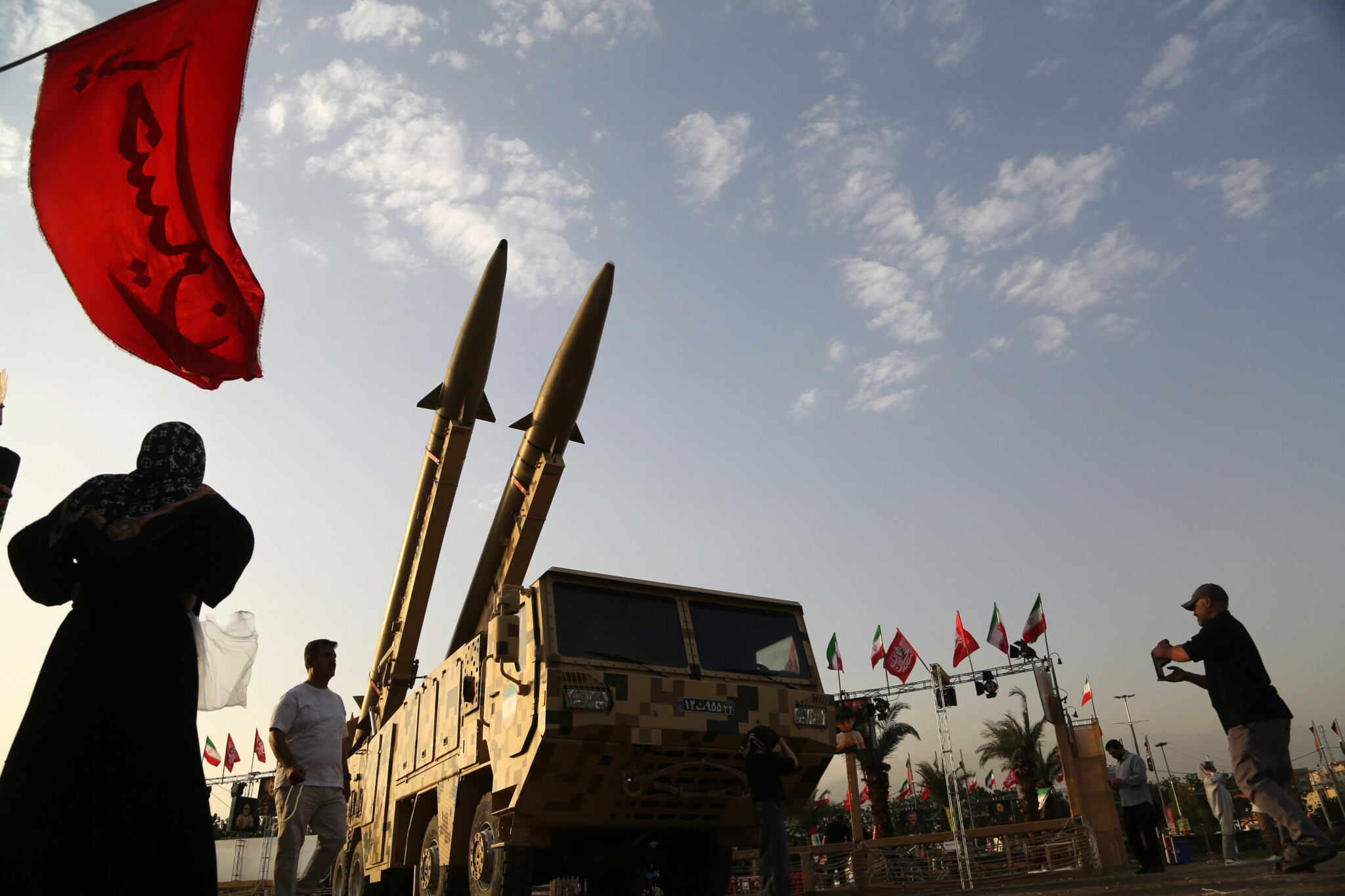
Despite a lull in fighting between the United States and the Islamic Republic of Iran, Tehran broke with its established pattern of portraying direct missile attacks against U.S. forces as retaliation. On July 28, Iran launched five ballistic missiles from its territory in a surprise attack targeting the U.S. military presence at Muwaffaq al-Salti Air Base in Azraq, roughly 50 miles east of Amman. The base, which hosts U.S. forces, has repeatedly been struck by the Islamic Republic since the start of Operation Epic Fury in February. Jordan faced 166 ballistic missiles and 125 drones launched by Iran and its proxy militias between February and the ceasefire in April. Since the collapse of the memorandum of understanding (MOU) between Washington and Tehran on July 8, Iran has launched an additional 70 missiles at the kingdom, targeting not only military installations but also infrastructure in southern Jordan. Iran Opts for Escalation A toxic combination is driving additional Iranian attacks: an emboldened ultra-hardline leadership, a more capable missile force, and a belief among Iranian national security decision-makers that President Donald Trump faces meaningful limits on escalation due to oil price shocks, market instability, upcoming midterm elections, and munitions shortages. Iran’s surprise attack was preemptive rather than retaliatory, coming after Washington announced a pause in the fighting. It also signals a change in strategy and risk tolerance. In previous instances, Iranian attacks on U.S. forces and Arab countries generally followed strikes on Iranian territory or against core regime interests. Iran’s latest attack on Jordan represents a dangerous shift in the Iranian threshold for, and the conditions governing, the use of overt and direct force. Moreover, the attack had a distinctly Jordanian dimension. Since the collapse of the MOU, Jordan has increasingly found itself in the Islamic Republic’s crosshairs. Tehran appears to be exploiting domestic sensitivities surrounding Jordan’s relationship with the United States in the hope of generating public pressure against the American military presence and ultimately pushing U.S. forces out of the kingdom. In Iran’s Crosshairs: Jordan’s Fault Lines Jordan’s condemnations of the Iranian attacks have grown more forceful. After an Iranian strike targeted the southern port city of Aqaba, the Foreign Ministry summoned Tehran’s charge d’affaires and delivered a “strongly worded protest” over what it called Iran’s continuing, unjustified attacks on the kingdom. Yet Jordan’s position remains precarious. The Islamic Republic is also seeking to exploit divisions within Jordanian society. After a July 16 strike, Iran’s Fars News Agency, which is closely affiliated with the Islamic Revolutionary Guard Corps (IRGC), claimed that individuals inside Jordan had provided intelligence that improved the accuracy of Iranian attacks on U.S. forces. Whether true or not, the claim was designed to suggest that Tehran has domestic allies. Jordanian officials have accused Iranian media outlets of inciting citizens to protest the American military presence and of fomenting unrest. More worryingly, however, more than 200 prominent Jordanians, including former ministers, parliamentarians, and tribal figures, signed a petition last week calling for the removal of all foreign troops from the kingdom, with some of the rancor even being voiced in the Jordanian parliament. But there has also been significant pushback. Prominent commentators close to the government have described Iran as the clear aggressor and rejected Tehran’s claim that its attacks target only U.S. forces rather than Jordan itself. The Path Ahead Amman’s ability to protect its airspace has undoubtedly been bolstered by the U.S. military presence and assistance over the years. Integrating Jordan more fully into the U.S.-led regional air and missile defense architecture will strengthen the kingdom’s capacity to detect and intercept Iranian projectiles. Similarly, the diplomatic opportunity these strikes create should not go unutilized. Jordan, backstopped by the United States, should lead a diplomatic effort to generate a more unified Arab position on Iran’s increasing drone and missile strikes against the Arab world. This could include condemnations, a broad downgrading of diplomatic relations, and the establishment of potential retaliation thresholds in a bid to deter future strikes. Ahmad Sharawi is a senior research analyst at the Foundation for Defense of Democracies (FDD), focusing on Iranian intervention in Arab affairs and the Levant. Behnam Ben Taleblu is the Iran Program’s senior director and a senior fellow. For more analysis from the authors, please subscribe HERE. Follow FDD on X @FDD. Follow Ahmad on X @AhmadA_Sharawi and Behnam @therealBehnamBT. FDD is a Washington, DC-based, nonpartisan research institute focusing on foreign policy and national security.
Iran Strikes Jordan To Probe Washington’s Escalation Limits
Full Article
Original Source
Read the full article at Fdd →KhanList aggregates and links to publicly available news content. We do not host full articles from third-party sources. Always verify important information with original sources.