
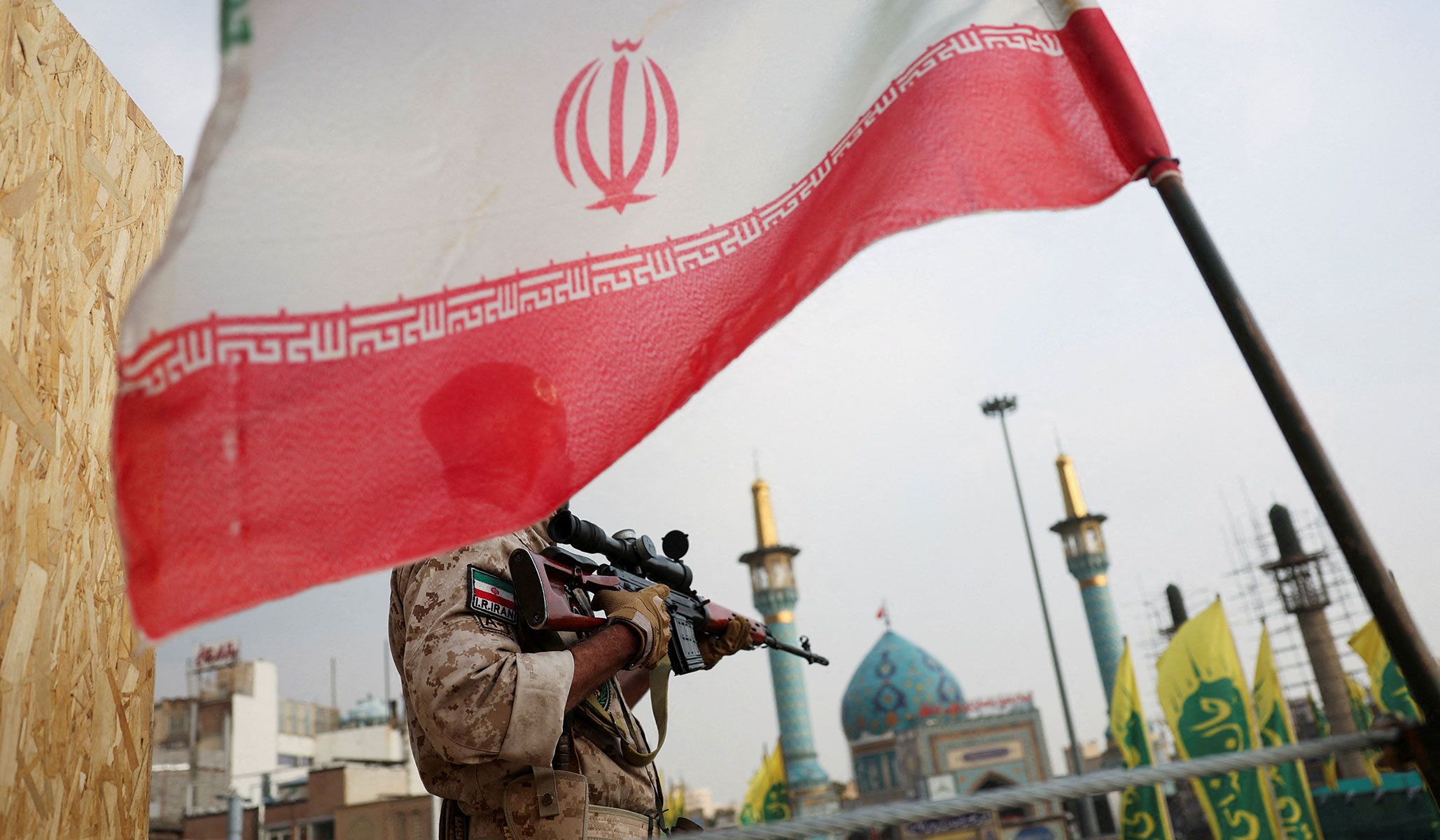
Key TakeawaysIranian assassination plots underscore the Tehran threat.Pressure for peace risks concessions that enrich Iran while preserving its nuclear ambitions.The American public may not be interested in the war, but it is still interested in us.Treasury Secretary Scott Bessent has been moved from his home to a military base after credible Iranian threats against his life. Bessent helps oversee the crippling financial sanctions imposed on Iran, making him a particular target for the regime.In the past several years, former Secretary of State Mike Pompeo, former National Security Adviser John Bolton, and President Trump himself have also been the targets of Iranian assassination plots.With the Iran war playing a prominent role in the GOP’s stunning defeat in last week’s elections, there is renewed pressure — both from incoming Democrats and critics on the right — to put an end to the conflict.On Wednesday, the Wall Street Journal reported that had become lead negotiator with Iran, to the point of even contemplating direct talks with a top Iranian security official. The same article related that Trump had started to second-guess the wisdom of the June memorandum of understanding that Vance negotiated and that Trump gladly signed, wondering whether it allowed time for Iran to regroup and earn more oil revenue.On Thursday morning, Trump, who has been vacillating between threatening to bomb Iran and touting imminent peace almost by the day, poured cold water on the idea of any renewed negotiations. The president took to Truth Social to say that he was asking Vance to focus on corruption in Democrat-run cities. “We don’t need a deal with Iran,” Trump wrote. “We’ve got their money, Hundreds of Billions of Dollars, and we’ve got their Strait!”Bombast aside, a status quo in which the U.S. maintains a naval blockade against Iran and escorts ships through the Strait of Hormuz may be the least bad of the remaining options. While maintaining that pressure, the U.S. should also look for ways to actively support the Iranian opposition, something President Trump implicitly promised in January with his “help is on its way” comments. But we obviously cannot bank on the Iranian regime falling or moderating any time soon. It is hard to see what can be accomplished strategically through another weeks-long air campaign, but the immediate diplomatic prospects are dim, as well.Presumably, any deal that Iran would agree to in the aftermath of what it considers its victory in the midterms would be a bad one for the U.S., likely a repeat of Barack Obama’s disastrous Joint Comprehensive Plan of Action, if not worse. Under that agreement, Iran enjoyed hundreds of billions of dollars in sanctions relief, preserved its ability to enrich uranium, and maintained its ballistic missile program. The scandal of the Iran deal was that even if it worked exactly as intended, it would have still allowed Iran to continue to develop a more powerful conventional military, to sponsor terrorism, and to exert a malign influence within the region and around the world. All the while, restrictions on its nuclear program were set to expire over time, putting the regime on a long-term glide path to weaponization. If any eventual agreements are to be reached with Iran, they must meet two tests: First, do no harm, and second, trade nothing for any promises of future conduct by the Iranians.Iran’s plots against one of the most important U.S. cabinet officials, as well as Americans throughout the Middle East, underline the malignity of an Iranian regime that has been in a conflict with the United States for a half century. In short, it is still very interested in the war, and in doing us harm.
Iran Is Still a Menace
Full Article
Original Source
Read the full article at Nationalreview →KhanList aggregates and links to publicly available news content. We do not host full articles from third-party sources. Always verify important information with original sources.