
Earlier this month, U.S. President Donald Trump faced a menu of war options and pushed them all aside. He also turned down the negotiated package on the table. Instead, he chose to keep tightening the screws on Iran through an economic blockade. Yet, rumors that he has shelved the military option or is warming to a deal are hasty. The more probable outcome is that he neither ends the conflict nor resolves it, but quietly drifts away from it while gradually loosening the blockade on Iran. Pressure on Trump to restart the war has intensified dramatically since the midterms. Israeli Prime Minister Benjamin Netanyahu knows that several factors will limit Trump’s ability to resume military action against Iran. First, Netanyahu may have only a few weeks left as Israel’s caretaker. If Gadi Eisenkot succeeds in forming a government in the next few weeks, Netanyahu will lose the premiership and his long-term dream of crushing the Iranian state. A rising chorus of former and current Israeli officials—from Avigdor Lieberman to Ehud Barak—are sounding the alarms that, out of desperation, Netanyahu is planning to “carry out a blatant military provocation in order to force Iran to respond on a scale triggering a war that would disrupt or prevent the establishment of a new government [in Israel].” The next Israeli prime minister will likely not share Netanyahu’s obsession with Iran or his skills in maneuvering the U.S. political system. Earlier this month, U.S. President Donald Trump faced a menu of war options and pushed them all aside. He also turned down the negotiated package on the table. Instead, he chose to keep tightening the screws on Iran through an economic blockade. Yet, rumors that he has shelved the military option or is warming to a deal are hasty. The more probable outcome is that he neither ends the conflict nor resolves it, but quietly drifts away from it while gradually loosening the blockade on Iran. Pressure on Trump to restart the war has intensified dramatically since the midterms. Israeli Prime Minister Benjamin Netanyahu knows that several factors will limit Trump’s ability to resume military action against Iran. First, Netanyahu may have only a few weeks left as Israel’s caretaker. If Gadi Eisenkot succeeds in forming a government in the next few weeks, Netanyahu will lose the premiership and his long-term dream of crushing the Iranian state. A rising chorus of former and current Israeli officials—from Avigdor Lieberman to Ehud Barak—are sounding the alarms that, out of desperation, Netanyahu is planning to “carry out a blatant military provocation in order to force Iran to respond on a scale triggering a war that would disrupt or prevent the establishment of a new government [in Israel].” The next Israeli prime minister will likely not share Netanyahu’s obsession with Iran or his skills in maneuvering the U.S. political system. Second, in two months’ time, Trump’s maneuverability will be eclipsed by a Democratic Congress that can defund the war. Third, though U.S. Defense Secretary Pete Hegseth survived an impeachment attempt last week, his political future still hangs by a thread. Even if the risk of war declines, this does not guarantee a greater likelihood of a deal. Key obstacles—including Iran’s enriched uranium stockpile, the future of its enrichment program, a regional cease-fire, sanctions relief, and the political cost for Trump—make both reaching and maintaining an agreement challenging. The most likely scenario may turn out to be neither war nor peace, yet something altogether different from the economic blockade “middle path” that Trump chose earlier. In this scenario, Trump’s economic warfare and blockade would end up little more than words on paper. Trump would declare victory, reject both war and peace, withdraw the U.S. military, step away from the table, and insist that the blockade and sanctions remain in place while quietly allowing them to fade into irrelevance. This would set in motion a gradual loosening of the blockade, with sanctions enforcement quietly eroding. Bit by bit, Asian and Middle Eastern countries would ramp up trade and investment in Iran, far surpassing current levels. Out of this slow transformation, a delicate new equilibrium would take shape: Sanctions enforcement would remain just robust enough for the United States to insist the system is intact, yet lax enough to persuade Tehran not to upset the emerging status quo. This Swiss-cheese scenario is the only walk-away option that could work. If Trump truly keeps the blockade and sanctions in place, then the United States and Iran would be locked in a relentless standoff, always teetering on the edge of conflict, just as they are now. This fragile balance would inevitably tip into another war, completely undermining the whole point of walking away. To be clear, the Swiss-cheese scenario is suboptimal compared with a peace deal. A peace deal that would end 47 years of enmity, uphold nonproliferation goals, open the Iranian economy to U.S. companies, and stabilize the region would far better serve U.S. interests. But the walk-away option carries the benefit, from Trump’s perspective, of avoiding an agreement that would manifest the failure of his war, as the Islamabad Memorandum did in the view of its critics. He will find it attractive because his focus is no longer on how much he can get, but how much he can avoid giving. Indeed, the Swiss-cheese option guarantees that, while none of the sides walks away with a complete victory, everyone sidesteps their worst nightmare. Trump escapes both a humiliating compromise and the quagmire of another needless war. Tehran, in turn, dodges the devastation that a joint U,S. and Israeli assault on its vital infrastructure and energy lifelines would unleash. And given the shift in favor of nuclear weapons among the Iranian public, Iranian decision-makers may also welcome de facto partial sanctions relief without having to give up their stockpile of enriched uranium or give other nuclear concessions. Even Israel might breathe easier, since its worst fear—a U.S.-Iran diplomatic breakthrough that could see old enemies reconcile—remains off the table, while the possibility of a future U.S.-Iran conflict still lingers. Israeli leaders will certainly view any loosening of the sanctions pressure as a loss, but it is still superior to a deal that undoes the sanctions architecture altogether. Moreover, Israel may calculate that the scenario still offers plenty of opportunities to tighten the sanctions or even escalate matters toward war. In short, it’s neither side’s worst option, and everyone’s least-costly scenario. And while Israel may still hope for chances to escalate, the Swiss-cheese scenario could turn out to be unexpectedly resilient, even as it leaves the U.S.-Iran conflict unresolved. Should this uneasy balance persist until 2029, the next U.S. president will stand at a crossroads: reignite tensions in pursuit of a better deal or quietly embrace the status quo and turn attention to the many other pressing crises on the United States’ plate. To most presidents, this will be a rather simple choice. Given Trump’s refusal to admit defeat, his dread of looking like a loser, his allergy to tangled diplomacy, his fixation on eclipsing former U.S. President Barak Obama’s Joint Comprehensive Plan of Action, and Iran’s refusal to offer him an ego-saving escape, Trump may ultimately declare a false victory and settle for the Swiss-cheese walk-away—not because it’s the smarter move but because it’s the cheapest way out. A version of this essay was published on Substack.
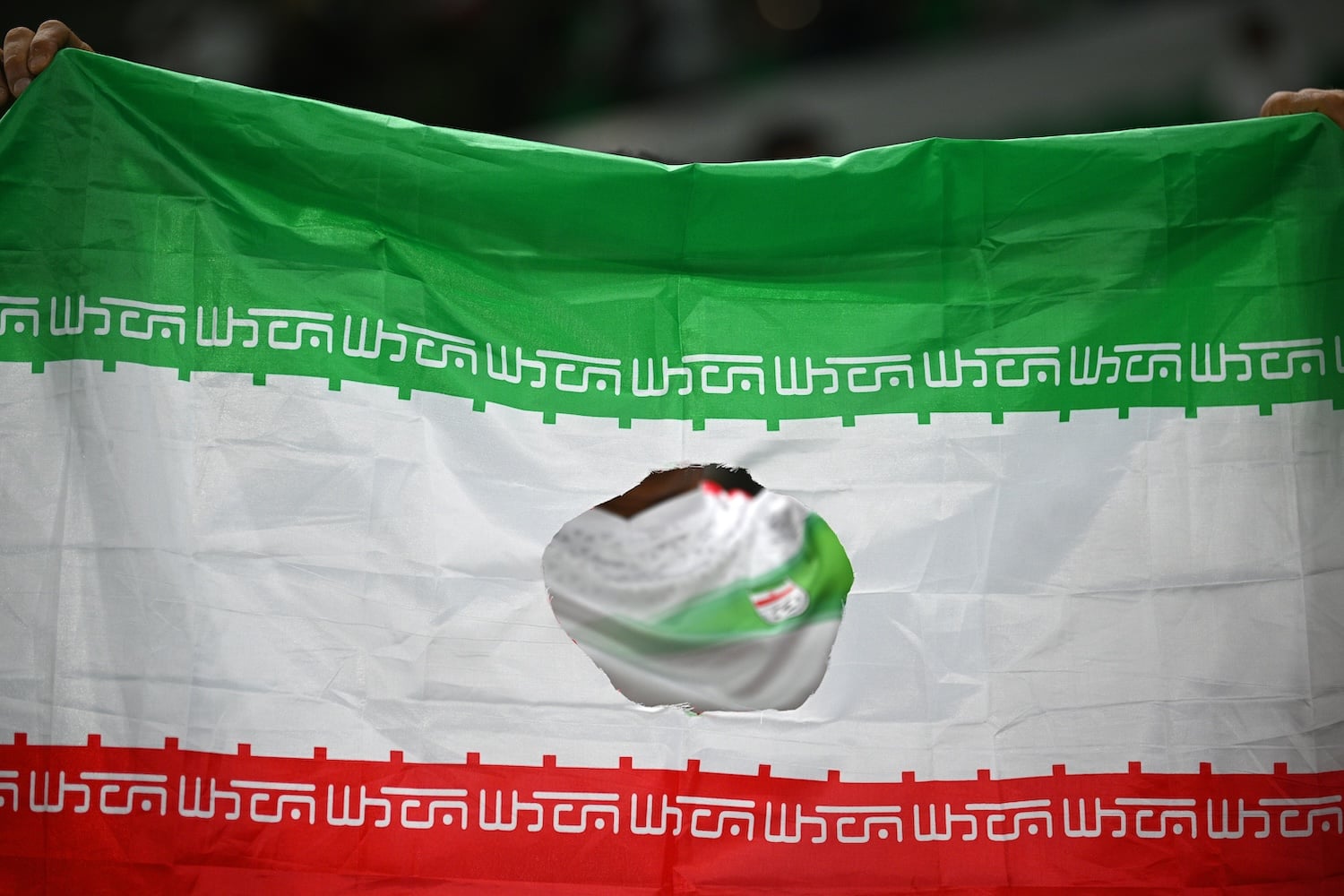
Iran Is Heading for a Swiss-Cheese Solution
Full Article
Original Source
Read the full article at Foreignpolicy →KhanList aggregates and links to publicly available news content. We do not host full articles from third-party sources. Always verify important information with original sources.